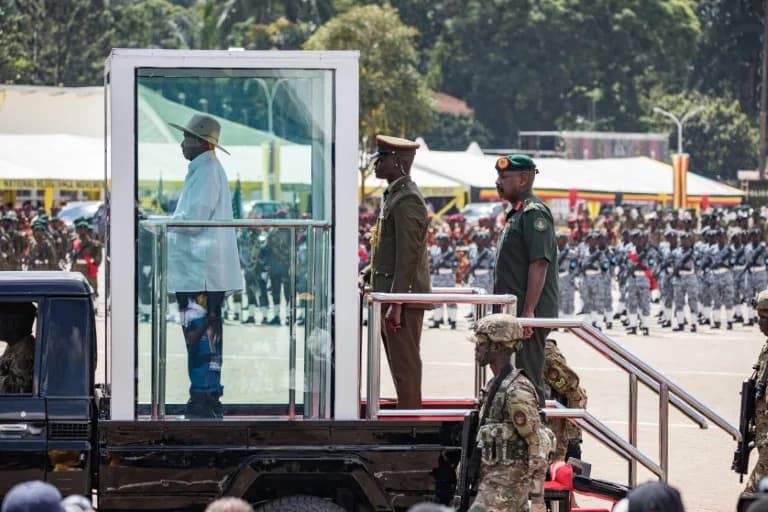
Ugandan President Yoweri Museveni, 81, is expected to win re-election amid widespread criticism that the vote is a sham. He is seeking a ninth term, counting two unelected terms, and is credited with helping Uganda's GDP grow roughly 13-fold since 1986. Critics accuse him of nepotism and of overseeing elections marred by irregularities; opposition leader Bobi Wine has warned against a 'stolen election.' Observers will be watching for signs of manipulation and the government's response to any disputes.
Museveni Seeks Ninth Term as Uganda’s President Amid Fraud Allegations
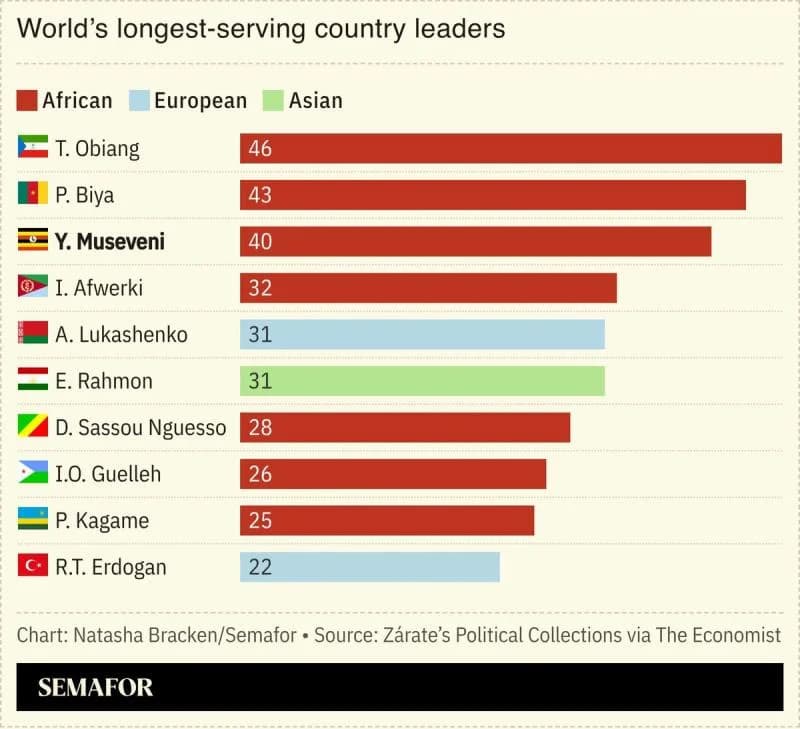
A chart showing the world’s longest-serving country leaders.
Ugandan President Yoweri Museveni is widely expected to secure re-election in polls held today, but critics and opposition figures have described the vote as a sham and raised concerns about fairness and transparency.
Background
Museveni, 81, is campaigning for what would be his ninth term in office, a count that includes two earlier unelected terms. Supporters point to a long tenure marked by stability and economic change: as Ugandan writer Charles Onyango-Obbo noted in Semafor, Uganda's GDP has grown roughly 13-fold since Museveni came to power in 1986.
Controversy And Allegations
Critics say Museveni has consolidated power by placing relatives and loyalists in influential positions and by presiding over electoral processes that lack credibility. Elections in the past have produced results giving Museveni more than 90% of the vote, and there have been reports that ballots have at times outnumbered registered voters — a phenomenon opponents describe as a 'mystical arithmetic' that undermines confidence in outcomes.
Bobi Wine: 'Ugandans must not allow another stolen election,' wrote opposition leader Bobi Wine in the Financial Times, encapsulating fears among many voters and international observers about repression and electoral manipulation.
What To Watch
Observers will be watching vote-counting procedures, access for opposition parties, reports of irregularities at polling stations, and the government's response to any protests or challenges to the results. The election's outcome will shape Uganda's political landscape and affect debates about governance, accountability, and the balance between economic development and democratic institutions.
Key facts: Museveni is a long-serving leader credited with significant economic growth since 1986, while opponents accuse him of nepotism and manipulating elections to remain in power.
Help us improve.