Overview: As Uganda votes, President Yoweri Museveni, 82, is poised to seek a ninth term, which would bring his rule to 45 years. The campaign has been marked by heavy security in Kampala, reported arrests and disappearances, and tactics that hinder independent verification of results. While the government cites decades of economic growth — GDP rising from about $3.9bn (1986) to $64bn (2025) — critics point to a family-dominated elite, widespread corruption and a young population frustrated by unemployment and migration.
Uganda Votes: Museveni Seeks Ninth Term Amid Heavy Security, Youth Discontent and Digital Restrictions
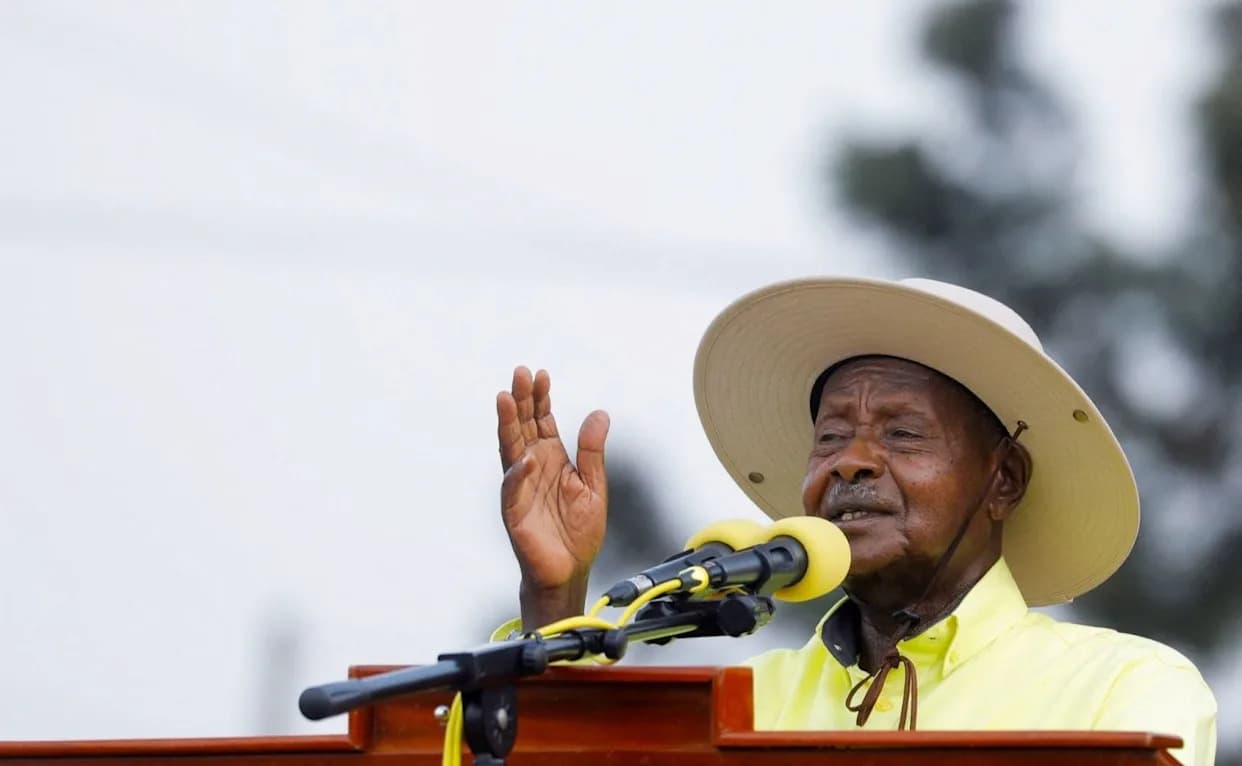
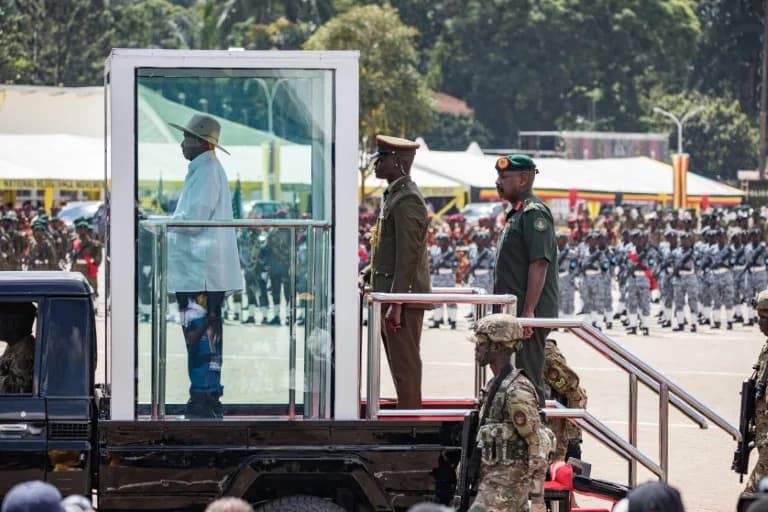
As Uganda goes to the polls, Kampala carries a tense sense of inevitability. If President Yoweri Museveni, who turns 82 this September, wins, he will begin a ninth term — a stretch that includes two unelected periods following his 1986 rise to power. By the end of that term he will have governed for 45 years.
Security and Election Control
The capital, long an opposition stronghold, is already ringed with armoured vehicles and soldiers at major junctions and roundabouts. Observers and opposition figures say the state routinely uses a containment playbook: after ballots are cast, military cordons often surround the homes of challengers such as Robert Kyagulanyi (Bobi Wine) and, in earlier campaigns, Kizza Besigye. Road spikes and sealed exits make independent collation of evidence of fraud difficult.
Ugandan elections have a history of improbable results and legal disputes. In 2001 judges were presented with claims of polling stations where Museveni reportedly won more than 90% of the vote and ballot totals exceeded the number of registered voters.
Campaign Tensions and Reported Abuses
The campaign trail resembles a low-intensity conflict. Kyagulanyi often travels wearing a ballistic helmet and flak jacket; journalists covering him have replaced press vests with body armour to protect against bullets and tear gas. Since late 2025 authorities have recorded at least four deaths, and reports indicate more than 550 opposition supporters have been arrested or disappeared after being taken in unmarked vans.
Economic Record and Growing Criticisms
Museveni points to genuine achievements: after taking control of a devastated country in 1986 he helped end state-sanctioned torture and presided over prolonged economic growth. Uganda’s GDP rose from roughly $3.9 billion in 1986 to more than $64 billion by 2025, and a growing middle class fills Kampala’s shopping centres — even as many residents endure long daily commutes in the city’s notorious traffic.
That progress, however, is increasingly overshadowed by what critics call a “familiocracy.” The ruling National Resistance Movement (NRM) has evolved into a family-centred power structure: First Lady Janet Museveni holds the education portfolio, and Museveni’s son, General Muhoozi Kainerugaba, serves as Chief of Defence Forces. Corruption that once bound elite factions has swelled into a pervasive problem the president appears reluctant to dismantle for fear of destabilising the patronage system.
Youth, Migration and Discontent
Uganda is one of the world’s youngest countries: the median age is around 17, and roughly 73% of the population were born after 1986. For many young Ugandans, the liberation narrative has little resonance; they are frustrated by poor roads, limited job prospects and low wages. As a result, more than 317,000 Ugandans now work in Gulf states — one of the continent’s higher rates of low-skilled labour migration.
Digital Tools Under Threat
With voting imminent, officials have signalled possible digital restrictions. Authorities have moved to limit Starlink imports and warned they may block the peer-to-peer app Bitchat after a surge in downloads — an app the opposition hoped to use to communicate if a blackout occurs.
Outlook
Kyagulanyi connects more naturally with Uganda’s youthful majority, but the opposition faces steep obstacles converting popular support into official victory. In Uganda’s electoral history, apparent ballot victories for challengers have often been overturned in the final tally. Museveni is likely to argue he is defending national gains; yet a ninth term may be marked less by forward momentum than by entrenchment of the status quo and rising questions about succession.
A documentary chronicling Robert Kyagulanyi’s rise was released in 2022 and is available on Disney+.
Help us improve.