Presidential challenger Bobi Wine says his campaign rallies are repeatedly disrupted by tear gas, beatings and arrests as he confronts President Yoweri Museveni in the Jan. 15 vote. Human rights groups describe the tactics as a “brutal campaign of repression,” while Museveni has defended using tear gas rather than live ammunition. Critics warn that arrests of civic leaders and the prominent role of Museveni's son in the military raise concerns about the fairness of the election and the prospect of dynastic succession.
Uganda Vote Looms as Opposition Alleges Military Intimidation, Tear Gas and Violence

Uganda's leading opposition presidential candidate, Bobi Wine, attends a church service at the Rubaga Cathedral in Kampala, Uganda, Thursday, Jan. 1, 2026. (AP Photo/Hajarah Nalwadda)(ASSOCIATED PRESS)
WAKISO, Uganda — Presidential contender Bobi Wine, born Kyagulanyi Ssentamu, says he routinely wears a flak jacket and helmet while campaigning to guard against gunfire — yet that protection does little against the frequent clouds of tear gas that follow his rallies. As he challenges long-time President Yoweri Museveni in the Jan. 15 election, Wine and human rights groups allege a pattern of intimidation and violence by security forces aimed at silencing the opposition.
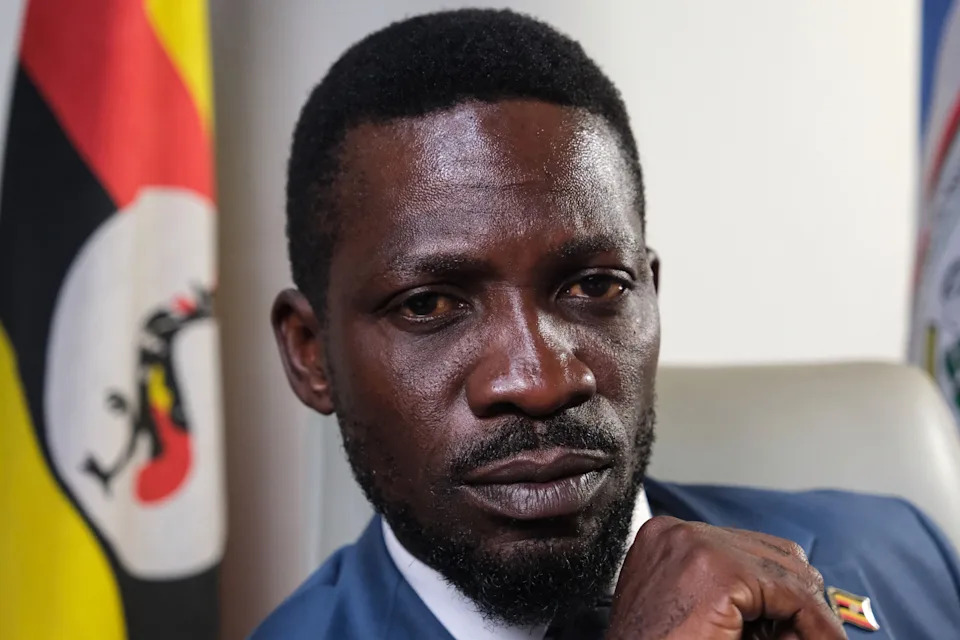
Uganda's leading opposition presidential candidate, Bobi Wine, poses for a photo at the National Unity Platform party office in Kampala, Uganda, Thursday, Jan. 1, 2026. (AP Photo/Hajarah Nalwadda)(ASSOCIATED PRESS)
Allegations of Violence and Intimidation
Wine told The Associated Press that security forces, including the military, have disrupted his campaign events, with supporters beaten, arrested and — he says — at least three killed in violent incidents. “It has been very violent. There’s been a lot of impunity to the extent that we are denied the right to use the public roads,” he said, adding that convoys of police and military vehicles follow and harass his teams.
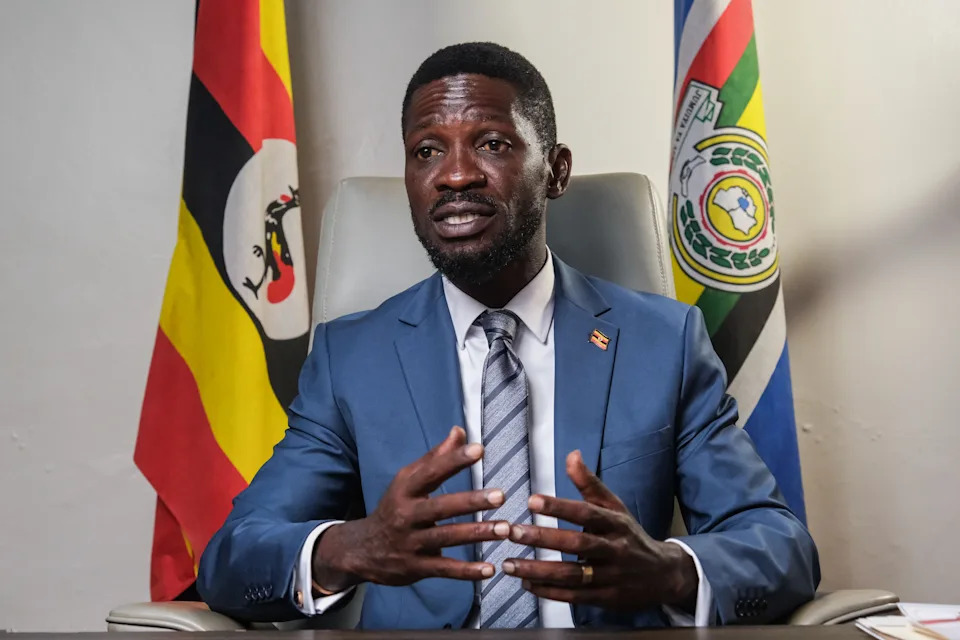
Uganda's leading opposition presidential candidate, Bobi Wine, speaks in an interview with The Associated Press at the National Unity Platform party office in Kampala, Uganda, Thursday, Jan. 1, 2026. (AP Photo/Hajarah Nalwadda)(ASSOCIATED PRESS)
“We are hounded by security and followed by over 40 police and military cars. Everywhere I go to campaign, (the) day before, the military comes, beats up people, intimidates them, warns them against attending the rallies I address,” Wine told the AP.
Amnesty International has described the reported use of tear gas, pepper spray, beatings and arbitrary arrests as “a brutal campaign of repression” ahead of the vote.
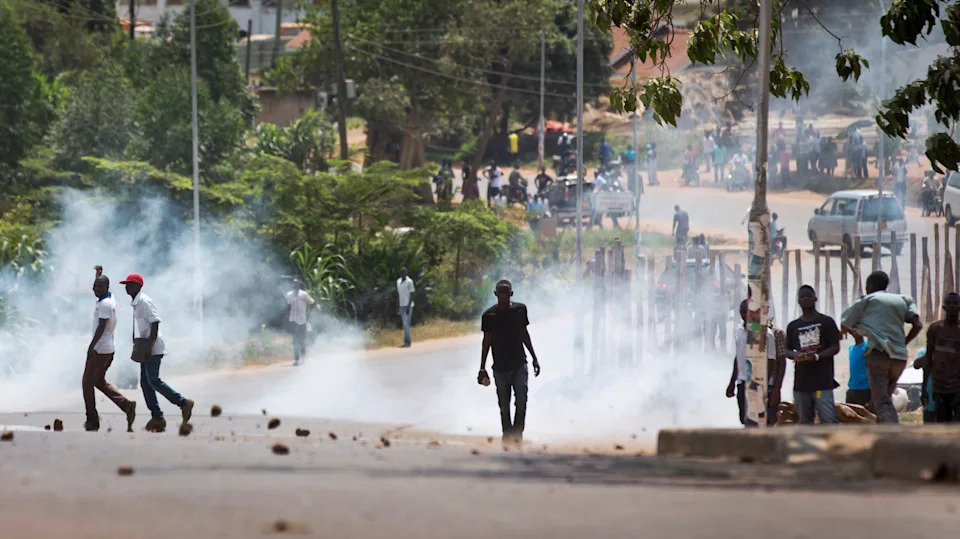
FILE - A man holds a rock as riot police fire tear gas at a crowd of angry voters outside a polling station where voting material for the presidential election never arrived, at a polling station in Ggaba, on the outskirts of Kampala, in Uganda Thursday, Feb. 18, 2016. (AP Photo/Ben Curtis, File)(ASSOCIATED PRESS)
Government Response
President Museveni has defended the use of tear gas, urging security forces to use it rather than live ammunition when breaking up what he called “criminal opposition” gatherings. In a televised New Year’s Eve address he said tear gas is legal and non-lethal and is preferable to bullets. A police spokesman told reporters he was not aware of some of the specific incidents Wine described.
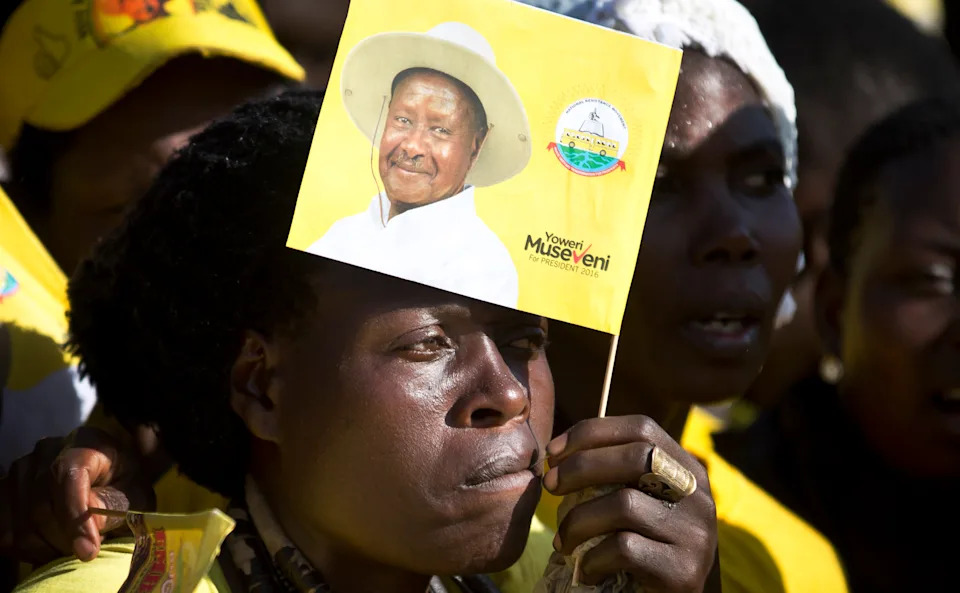
FILE - A supporter holds a flag of Uganda's long-time President Yoweri Museveni at an election rally at Kololo Airstrip in Kampala, Uganda Tuesday, Feb. 16, 2016. (AP Photo/Ben Curtis, File)(ASSOCIATED PRESS)
Background And Stakes
Museveni, Africa’s third-longest-serving leader, has ruled Uganda since 1986. Over the years lawmakers removed presidential term and age limits, clearing the way for him to seek extended tenure. Wine, a 43-year-old former musician, emerged as a major challenger in 2021 after securing about 35% of the vote against Museveni’s roughly 58%.
Succession Concerns And Military Role
Fears of dynastic succession have intensified because of the prominence of Museveni’s son, Gen. Muhoozi Kainerugaba, who now leads the army and has publicly suggested he may one day succeed his father. Critics warn that the security services' visible role in policing political activity undermines a fair electoral contest.
Civic Space Under Pressure
Civic leaders have also faced arrests and legal pressure. Sarah Bireete, head of the Center for Constitutional Governance, was recently charged with unlawfully sharing data from the voters' registry and remanded to custody pending further proceedings — a move that critics say effectively silences a vocal government critic in the run-up to the vote. Former opposition leader Kizza Besigye remains detained on treason-related charges.
What This Means
Observers say the combination of alleged state harassment, disputed arrests and strongman politics raises serious questions about whether the Jan. 15 vote can be held on a level playing field. Supporters of Wine see him as the main vehicle for change, while Museveni’s backers argue his methods are meant to preserve order in a volatile environment.
Reporting note: This account is based on reporting by The Associated Press and statements from officials, opposition figures and human rights organizations. Some incidents remain alleged and have been disputed by security forces.
Help us improve.