The UN and rights organizations are urging Ugandan authorities to end a nationwide internet blackout imposed ahead of the January 15 general election, calling the restrictions “deeply worrying.” NetBlocks reports a widespread shutdown that could harm transparency and raise the risk of vote fraud. President Yoweri Museveni faces challenger Bobi Wine amid allegations of a long-running crackdown on dissent, while the Uganda Communications Commission says the measure aims to curb misinformation.
Calls Mount for Uganda to Restore Internet Access Ahead of January 15 Election
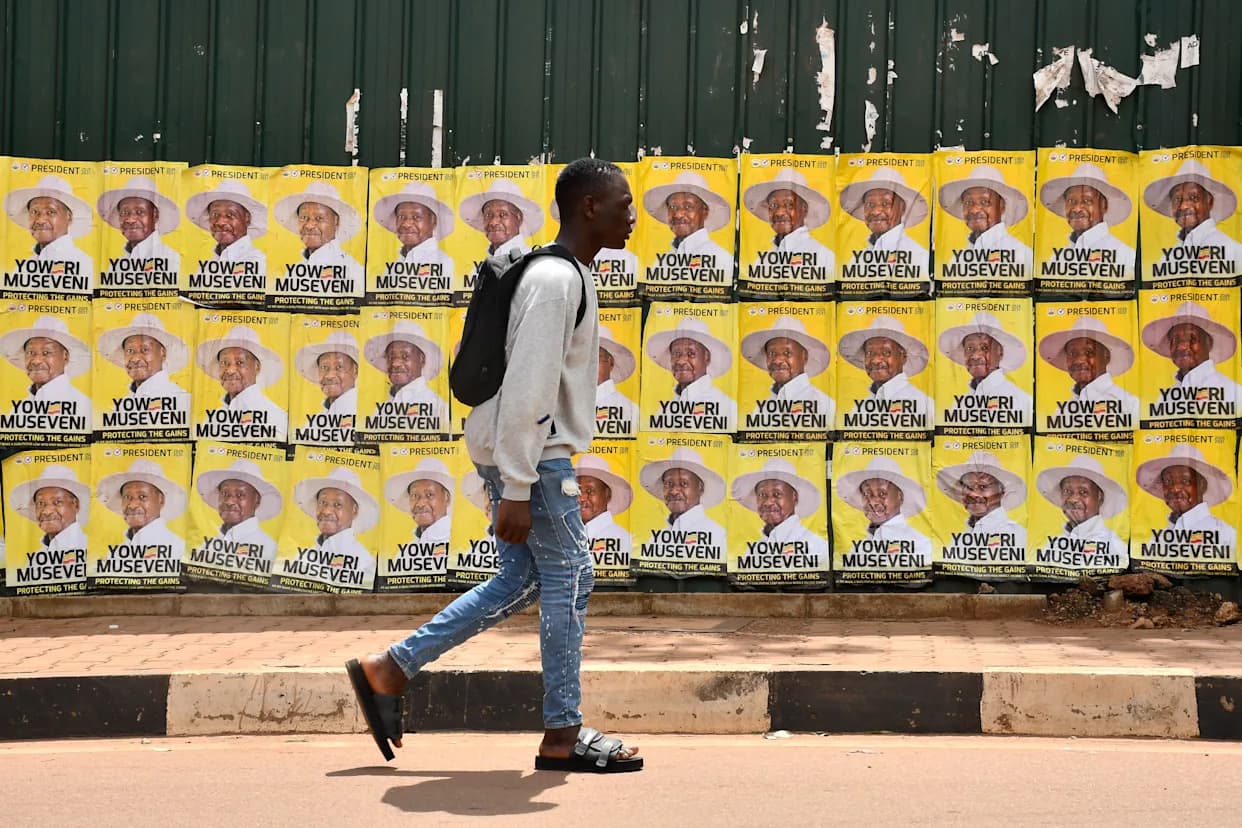
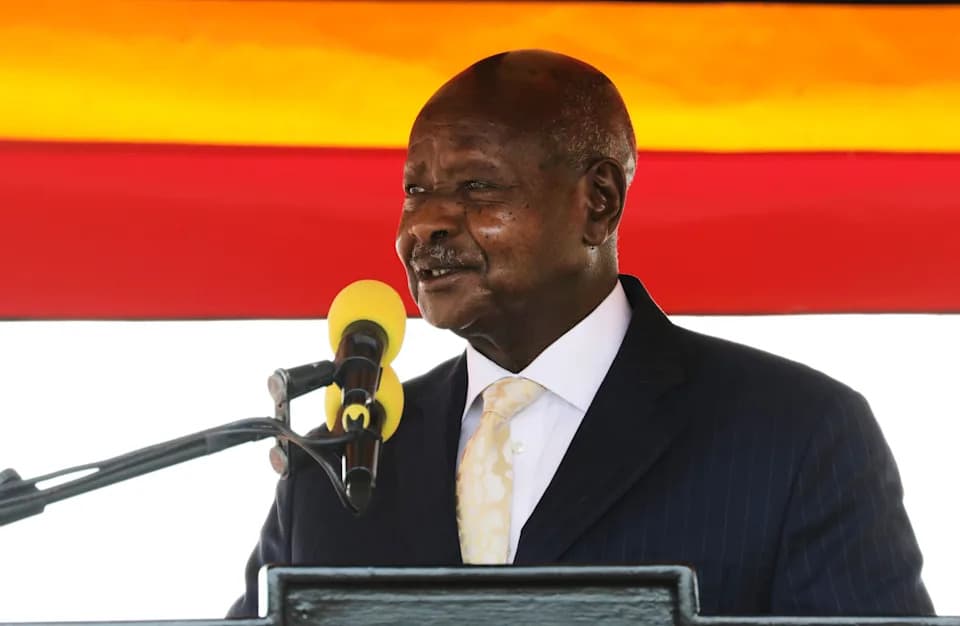
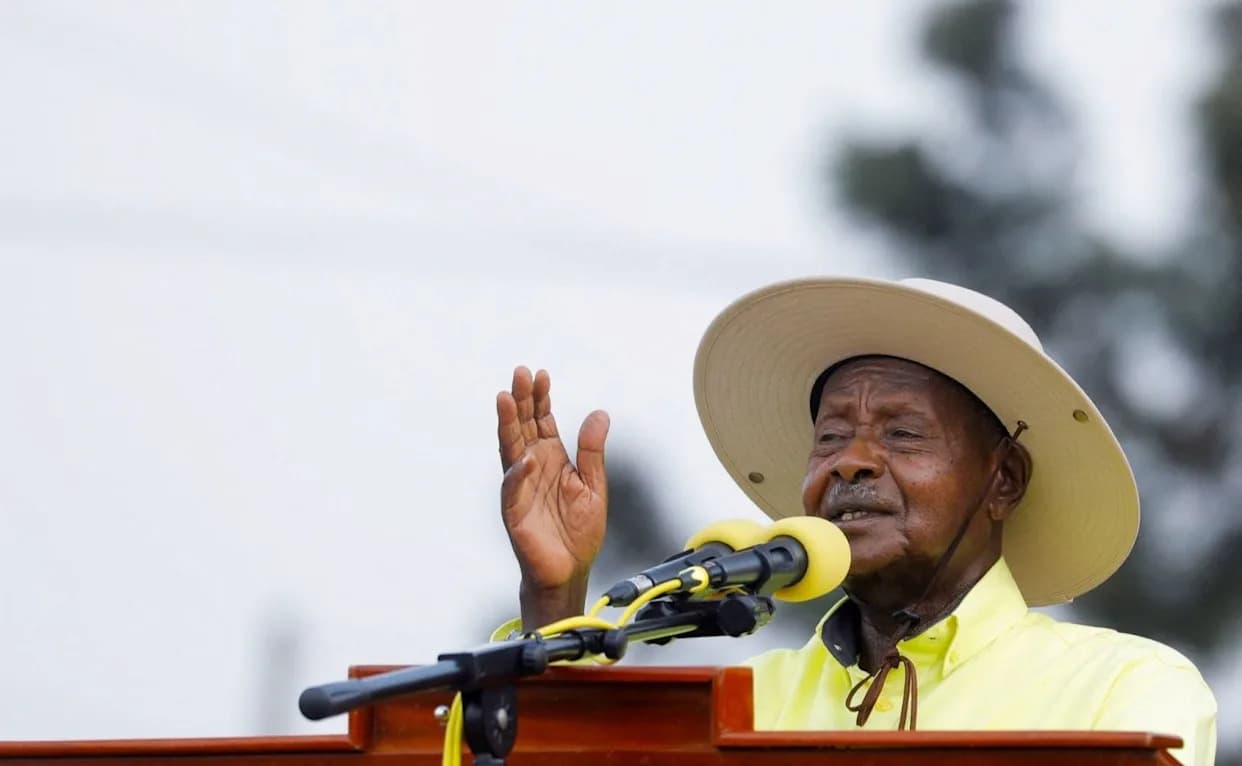
Human rights groups say Ugandan President Yoweri Museveni's government has overseen an 'unprecedented crackdown on opposition parties and dissenting voices' [File: Isaac Kasamani/EPA]
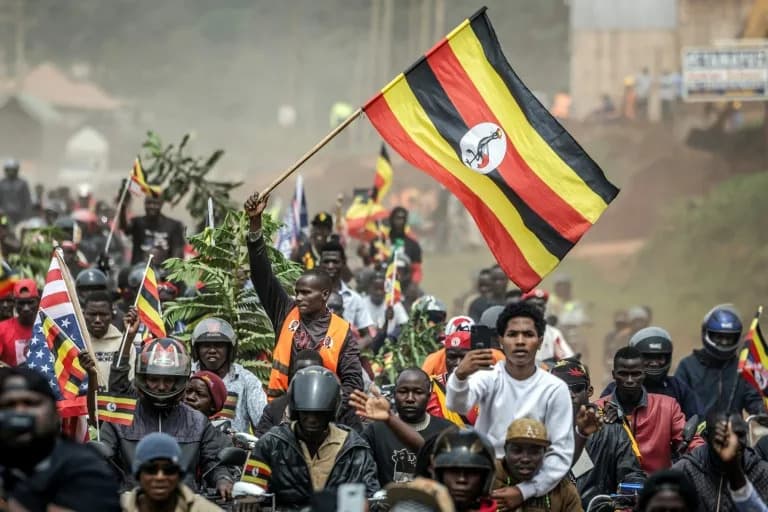
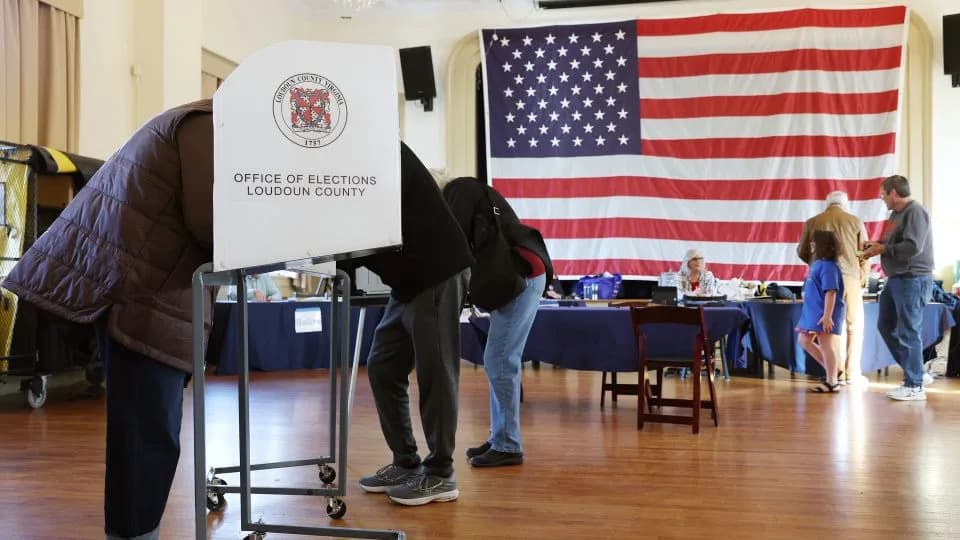
International and local rights groups are intensifying pressure on Ugandan authorities to lift a nationwide internet blackout imposed as the country prepares for a hotly contested general election on January 15. The United Nations described the restrictions as “deeply worrying,” urging that open access to communication and information is essential for free and genuine elections.
On Tuesday evening a Ugandan regulatory agency directed mobile network operators to block public internet access. Internet monitor NetBlocks reported on Wednesday that Uganda was “in the midst of a widespread internet shutdown,” warning the blackout could reduce transparency and increase the risk of vote fraud rather than curbing misinformation.
International and Local Reactions
UN Human Rights Office: “Open access to communication & information is key to free & genuine elections. All Ugandans must be able to take part in shaping their future & the future of their country.”
The Uganda Communications Commission defended the shutdown as necessary to curb “misinformation, disinformation, electoral fraud and related risks.” Rights groups disagree, saying blanket shutdowns are disproportionate and harmful to everyday life.
Tigere Chagutah, regional director for East and Southern Africa at Amnesty International, called the restrictions “a brazen attack on the right to freedom of expression,” adding that such measures disrupt people's mobility, livelihoods and access to vital information and should never be imposed under international human rights law.
Political Context
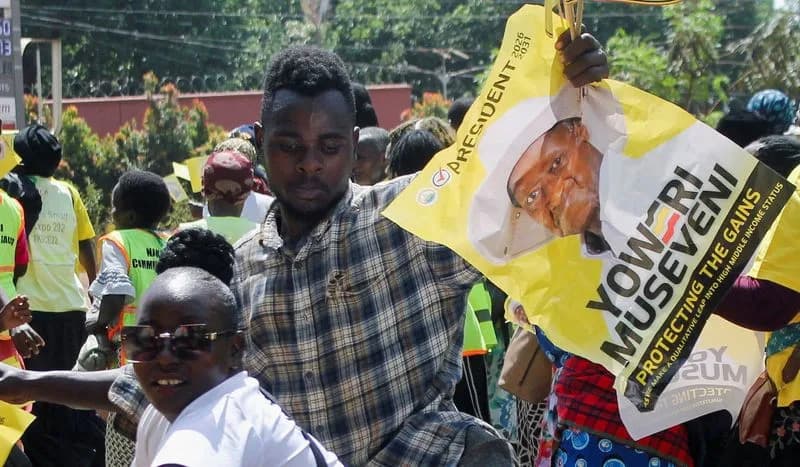
President Yoweri Museveni, 81, has faced sustained criticism for a years-long crackdown on dissent, including arrests of opposition figures and supporters. He is being challenged by musician-turned-politician Bobi Wine, whose rallies have frequently been disrupted by authorities.
Last week the UN Human Rights Office warned that Ugandans were heading to the polls amid “widespread repression and intimidation against the political opposition, human rights defenders, journalists and those with dissenting views.”
During the 2021 election campaign, widespread violence reportedly left at least 54 people dead, according to Human Rights Watch, and authorities previously cut social media and internet access during that period.
The combination of a communications blackout and reports of repression has prompted renewed calls from international bodies and advocacy groups for the immediate restoration of connectivity to ensure a transparent electoral process and protect citizens' rights.
Help us improve.