President Yoweri Museveni is seeking a seventh term in a vote that highlights questions about Uganda's political freedoms, economic plans tied to imminent oil production, and succession. His main challenger, Bobi Wine, remains popular with young voters and finished second in 2021 with roughly 35% of the vote. Observers will watch turnout, vote management and Museveni's margin of victory — a weaker result could intensify a succession battle focused on his son, Muhoozi Kainerugaba.
Uganda Election: Museveni Seeks Seventh Term — What’s at Stake
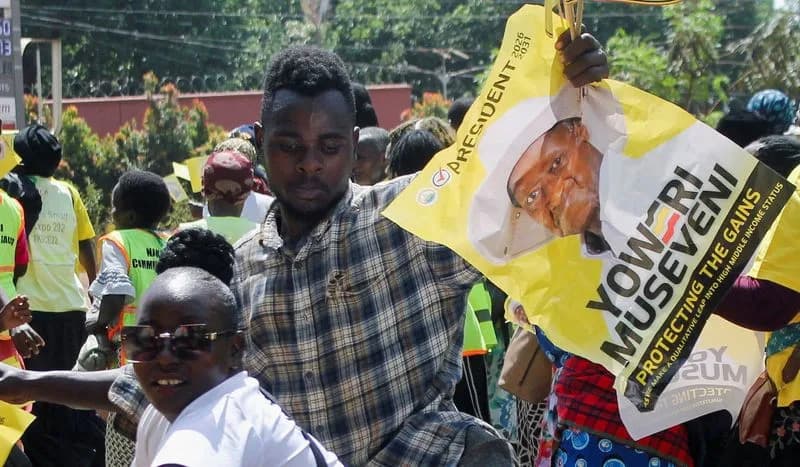
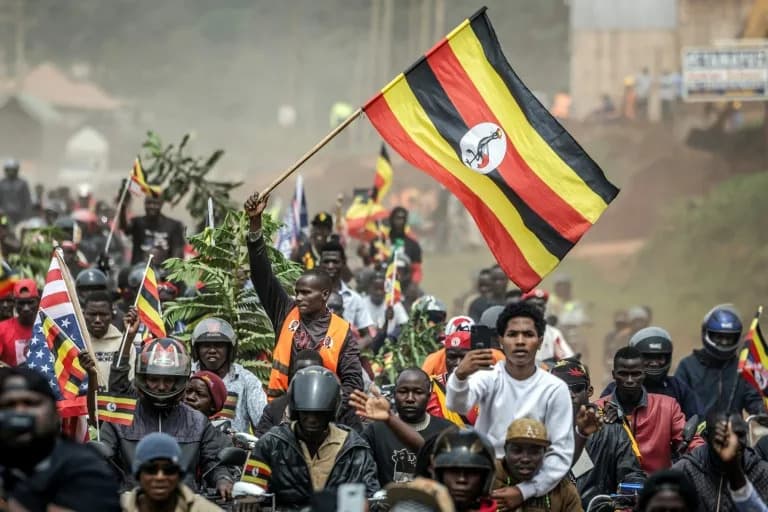
Supporters of Uganda's President and the leader of the ruling National Resistance Movement (NRM) party, Yoweri Museveni, march along the streets as they prepare for his campaign at the Nakawa division of Kampala, Uganda, January 7, 2026. REUTERS/Michael Muhati
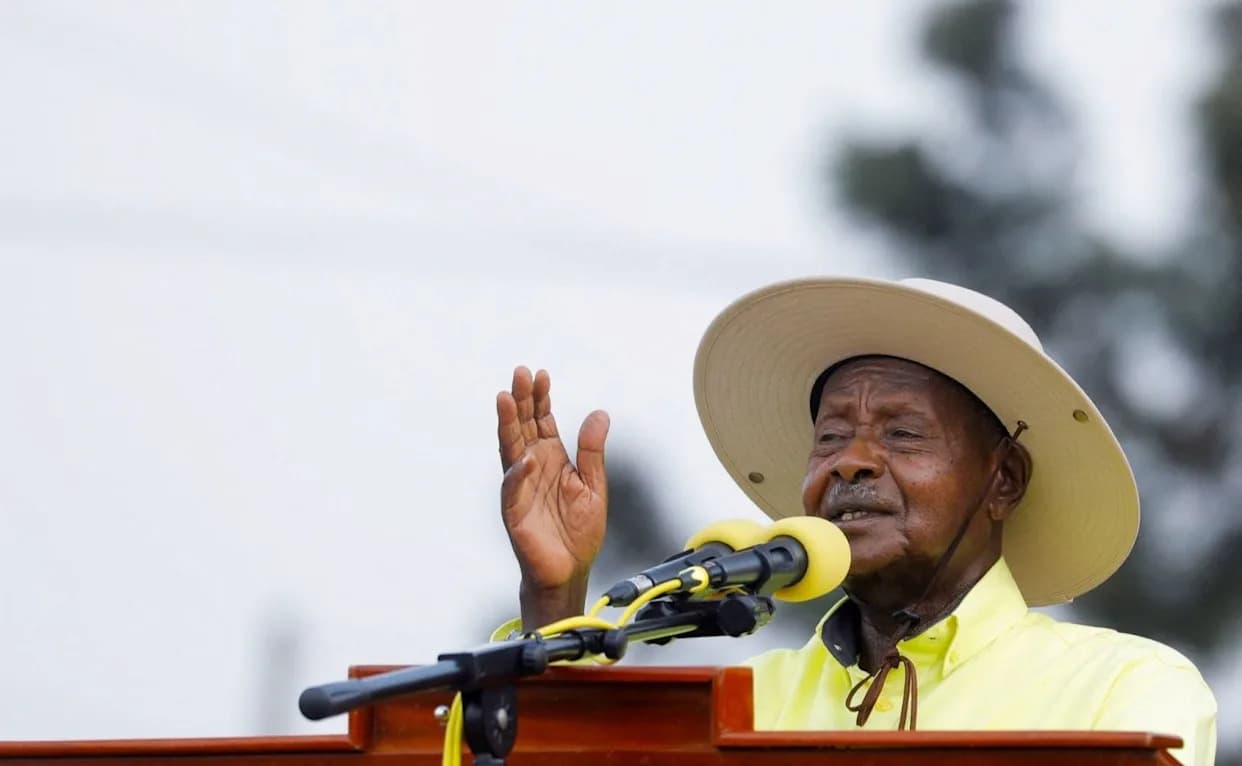
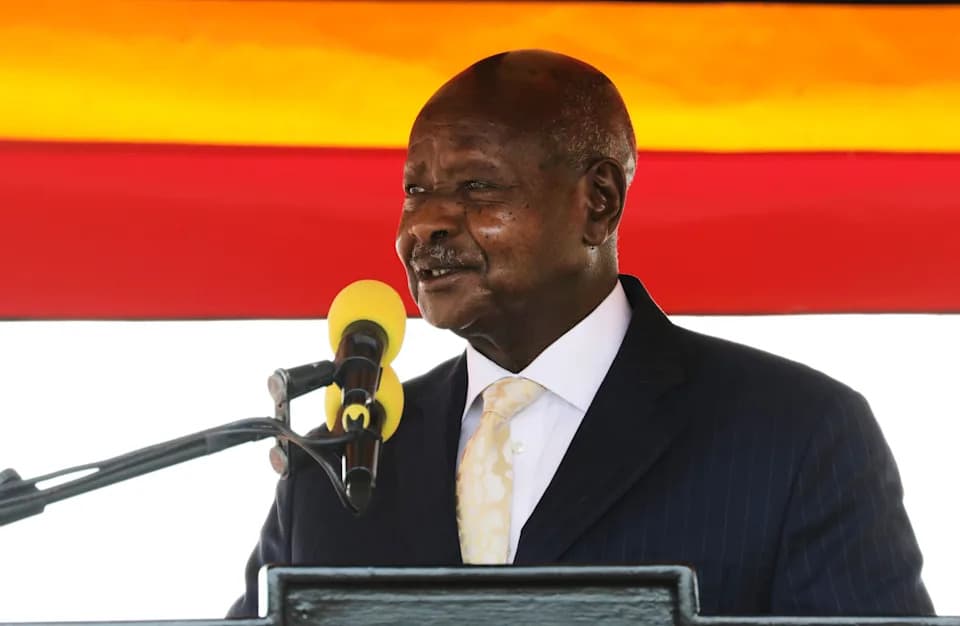
Ugandan President Yoweri Museveni, who has led the country since 1986, is campaigning for a seventh term as voters go to the polls. The vote has refocused attention on political freedoms, economic promises tied to upcoming oil production, and who might eventually succeed the 81-year-old leader.
Who Are The Main Candidates?
Yoweri Museveni — In power since 1986 after leading a rebellion, Museveni is running for another term under the National Resistance Movement (NRM) banner and has campaigned on "protecting the gains" of stability and development.
Robert "Bobi Wine" Kyagulanyi — A 43-year-old musician-turned-politician, Bobi Wine finished second in 2021 with roughly 35% of the vote and retains strong support among younger Ugandans. He has made restoring political freedoms and tackling corruption central to his platform.
Other Candidates — Notable challengers include former army chief Mugisha Muntu, known for anti-corruption advocacy, and Nandala Mafabi, a lawmaker and former parliamentary opposition leader.
Key Issues
Museveni emphasizes continuity: peace, stability and economic transformation. He has pledged to drive Uganda toward middle-income status by expanding manufacturing, adding value to agricultural exports (notably coffee and cotton), and leveraging the start of commercial oil production expected later this year.
Bobi Wine focuses on restoring civic and political freedoms, increasing youth employment, and renegotiating oil production-sharing agreements he says do not sufficiently protect Ugandan interests. The government rejects allegations of widespread human rights abuses.
Risks Of Unrest
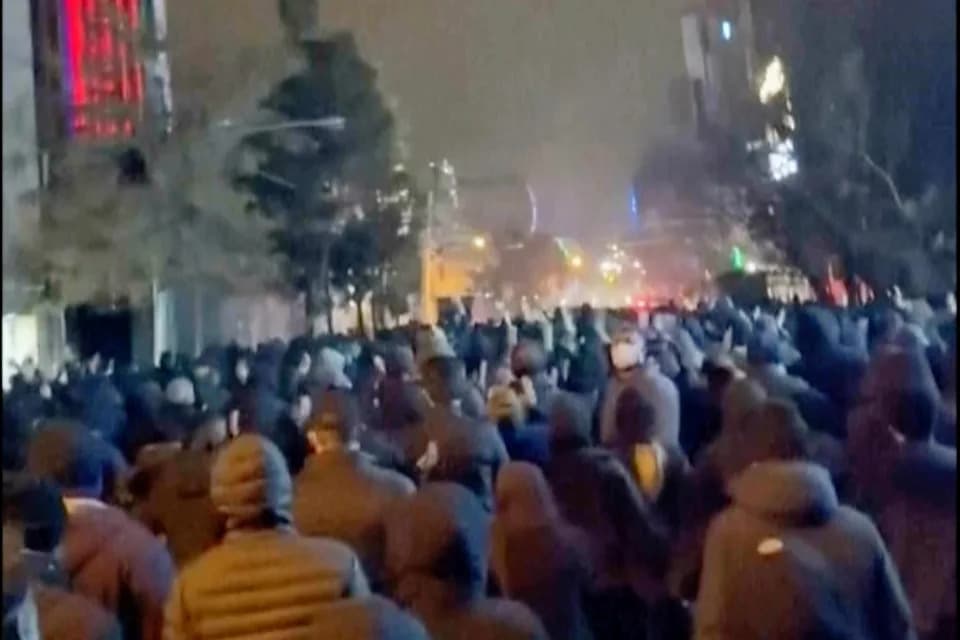
Ugandan elections have often been accompanied by violence and heavy-handed crackdowns. Ahead of the 2021 vote, security operations responding to protests after Wine's arrest resulted in more than 50 deaths. In the run-up to this election, hundreds of opposition supporters have been detained and at least one person was killed at a campaign event.
Regional youth-led unrest in neighbouring countries highlights the risk that frustrated young populations could escalate tensions. Authorities recently banned live broadcasts of riots and "unlawful processions," raising concerns about information access during crises.
International Stakes
Uganda plays an outsized regional role: it contributes troops to fight al Shabaab in Somalia and hosts the largest refugee population in Africa. Western governments have criticized past electoral integrity — the U.S. called the 2021 vote neither free nor fair and imposed targeted visa restrictions — but Washington signaled limits to public comment on this year's poll.
At the same time, Uganda has deepened economic ties with China, Russia and the UAE. China National Offshore Oil Corporation (CNOOC) is a lead partner in Lake Albert oil projects, which are due to begin commercial production later this year — a development that will shape future revenue streams and geopolitics.
What Observers Will Be Watching
With Museveni and the NRM firmly embedded in state institutions, the overall outcome may seem predictable. Yet observers will scrutinize vote management, turnout, and, crucially, Museveni's margin of victory. In 2021 he won approximately 58% — his lowest share in a presidential contest — and any further decline could weaken his authority ahead of a potential succession struggle.
Succession speculation centers on Museveni's son, army chief Muhoozi Kainerugaba, who has openly discussed presidential ambitions. Museveni denies grooming his son, but analysts say the issue is creating fault lines inside the NRM and prompting jockeying among senior party figures.
How the election unfolds — from the fairness of the process to the government's handling of protests and the vote tally — will influence Uganda's political trajectory, regional security partnerships, and the management of fast-emerging oil revenues.
Help us improve.