AB 1535, the Hortman‑Kirk Political Violence Prevention Act, would add political affiliation to California's hate‑crime law, defining it to include party membership and endorsements. Introduced by Assemblymember Laurie Davies (R–Laguna Niguel), supporters say the change would recognize politically motivated attacks as hate crimes and extend criminal protections beyond existing civil safeguards. The bill cites recent high‑profile attacks as part of the rationale and mirrors similar proposals in other states. If advanced, the measure is likely to prompt debate on legal and enforcement implications.
California Bill Seeks To Classify Political Affiliation As A Hate Crime — The Hortman‑Kirk Act (AB 1535)
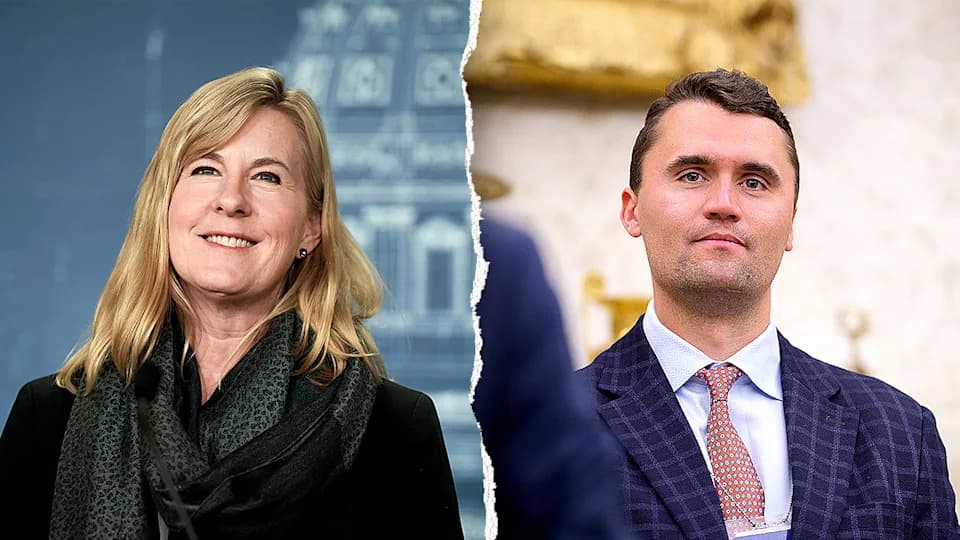
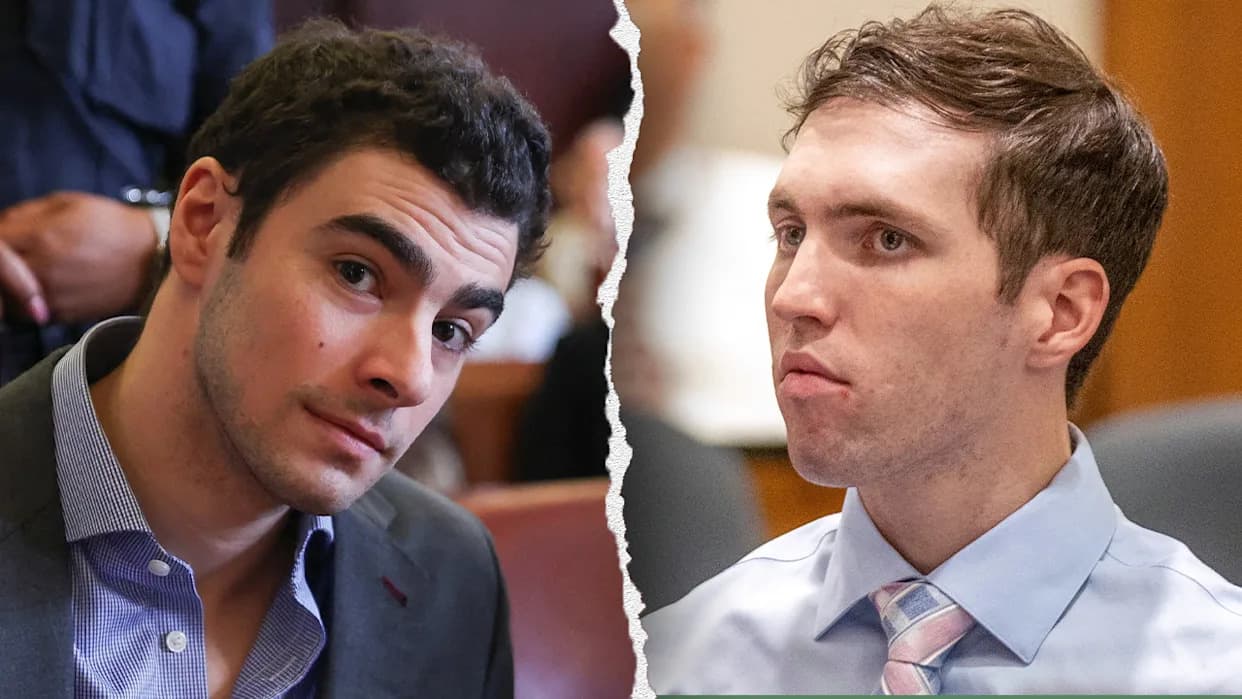
Former Minnesota House Speaker Melissa Hortman and Turning Point USA co-founder Charlie Kirk were both killed in 2025.
A bill introduced in the California Legislature would expand the state's hate‑crime statute to include political affiliation as a protected characteristic, aiming to deter politically motivated violence and recognize attacks driven by partisan animus as hate crimes.
What The Bill Would Do
Filed as AB 1535 and first reported by the Orange County Register, the measure is titled the Hortman‑Kirk Political Violence Prevention Act. It is named for former Minnesota Democratic Rep. Melissa Hortman and Turning Point USA founder Charlie Kirk, both of whom were killed in separate attacks in 2025.
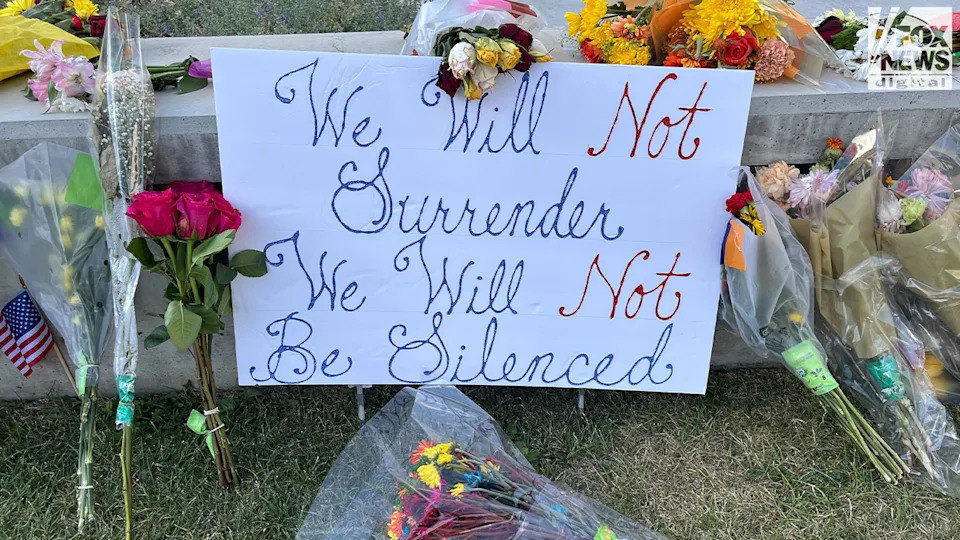
Flowers and tributes to conservative influencer Charlie Kirk have filled Utah Valley University's campus in the wake of his assassination on Wednesday, Sept. 10, 2025.
Under current California law, hate crimes are criminal acts motivated by a victim’s actual or perceived characteristics such as race, religion, disability or sexual orientation. AB 1535 would broaden that definition to add political affiliation, which the bill defines as "the state of belonging to a political party, the endorsement of a political party or a platform of a political party, or the endorsement of a politician or a platform of a politician."
Supporters' Rationale
State Assemblymember Laurie Davies (R–Laguna Niguel) introduced AB 1535 and said it is designed to foster a culture that values and protects free speech while discouraging political violence. "Our nation was founded on political freedoms. However, political violence is detrimental to our democracy and shouldn’t be tolerated," Davies said. "Leaders are required to cool the temperature, not fan the flames. AB 1535 isn’t just about protecting Californians; it’s about a cultural reset."
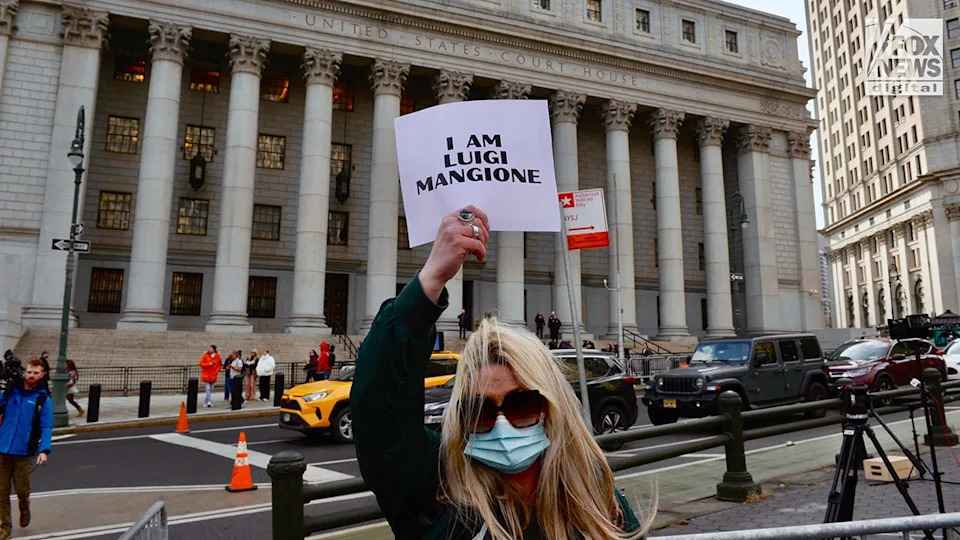
A Luigi Mangione supporter stands outside Federal Court in Manhattan, N.Y., Jan. 9, 2026, where a suppression hearing is underway.
Davies noted political affiliation is already a protected category in California's civil laws governing employment and housing, but it is not currently covered under the state's criminal hate‑crime statutes. By adding political affiliation to the criminal definition, the bill would extend criminal protections and constitute a state‑mandated local program, according to legislative analysis.
Context And High‑Profile Incidents
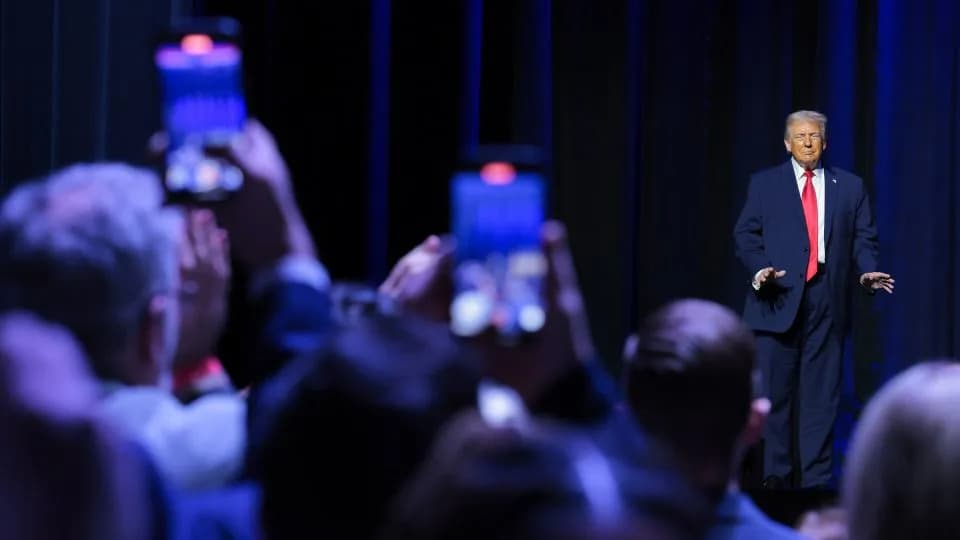
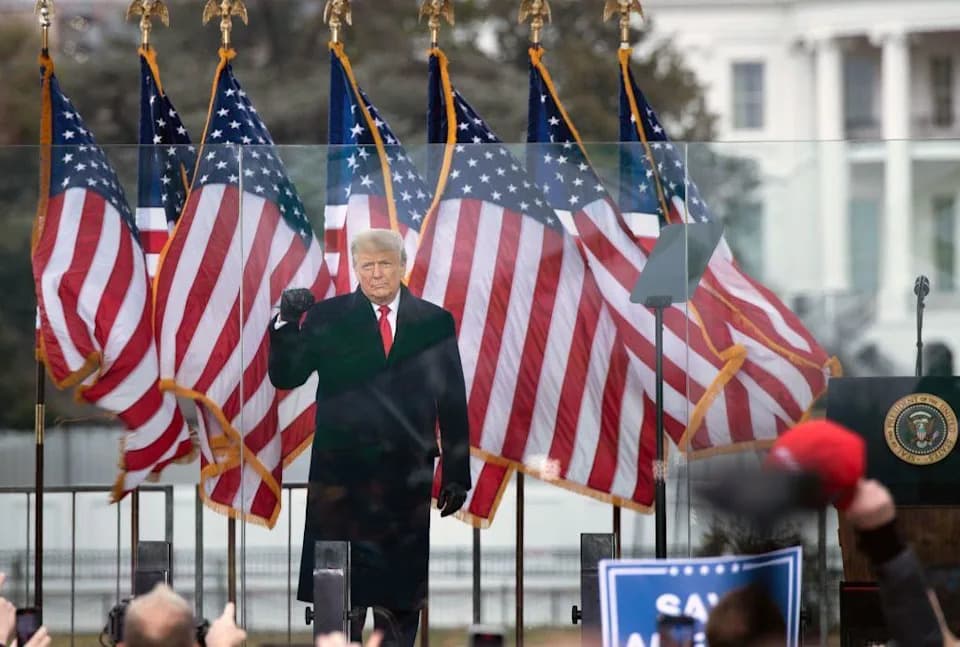
The bill cites several recent high‑profile attacks as part of its rationale. Supporters and some law enforcement experts say political violence has increased nationally, pointing to incidents including the murders of Melissa Hortman and Charlie Kirk in 2025, the reported assassination of United Healthcare CEO Brian Thompson, and previous assassination attempts against then‑candidate Donald Trump in 2024.
A similar proposal to add political affiliation to hate‑crime protections was introduced in Washington state in December, indicating a broader national discussion about whether criminal statutes should treat politically motivated attacks as hate crimes.
Next Steps
AB 1535 is in the early stages of the legislative process. If it advances, legislators, law enforcement groups and civil liberties advocates are likely to weigh in on the legal and practical implications of expanding the definition of hate crimes to include political affiliation.
Note: This article summarizes the bill’s provisions and public statements by its sponsor and supporters. It does not cover any opposition or competing viewpoints that may emerge as the measure moves through the Legislature.
Help us improve.