Within minutes of a U.S. operation to seize Nicolás Maduro, a coordinated coalition of U.S. socialist, Marxist and communist organizations launched an information and street‑mobilization campaign, calling for an "EMERGENCY DAY OF ACTION." A minute‑by‑minute timeline shows rapid, synchronized messaging from outlets and organizers including BreakThrough News, The People’s Forum, ANSWER Coalition, Tricontinental and CodePink. Experts and investigators describe the speed and coordination as characteristic of a pre‑positioned influence apparatus, prompting congressional scrutiny of alleged ties to Neville Roy Singham and wider national‑security concerns. The episode highlights how an organized network can quickly convert breaking foreign‑policy events into domestic political action.
Second Front: How a U.S. Socialist Network Mobilized Pro‑Maduro Protests Within 12 Hours
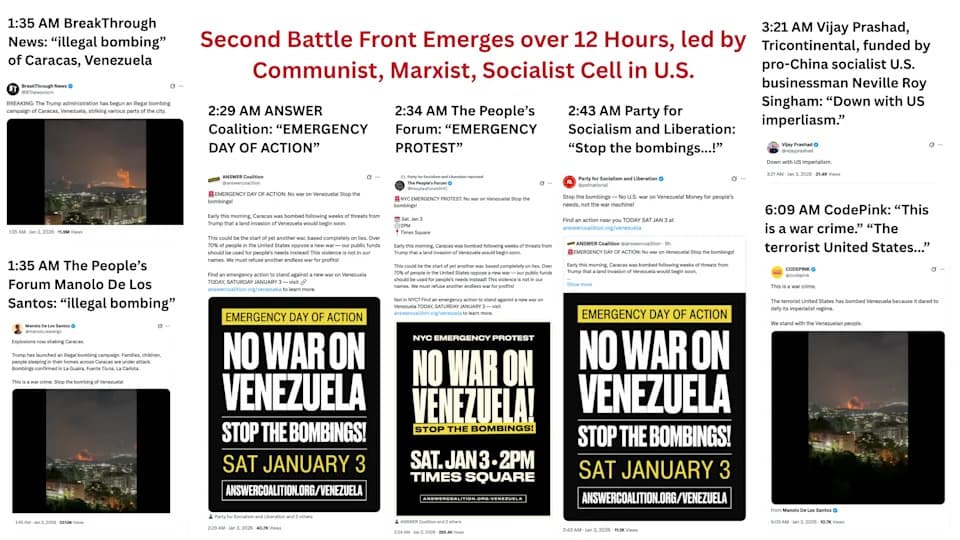
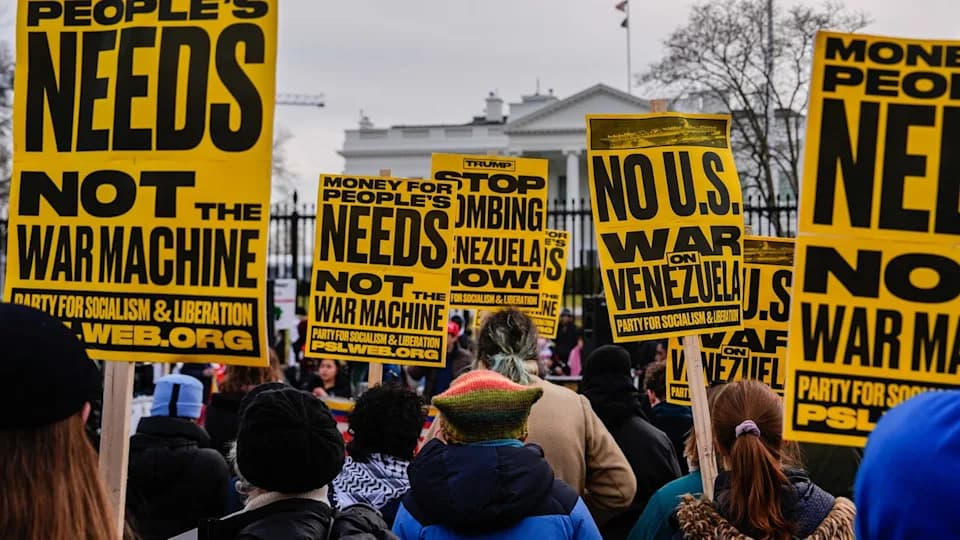
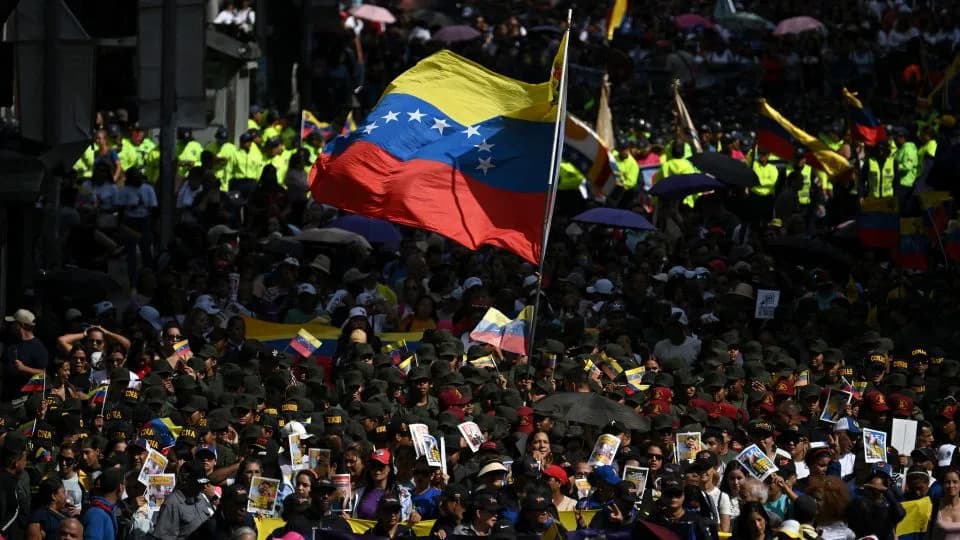
As U.S. forces carried out an operation to seize Venezuelan President Nicolás Maduro, a tightly connected network of U.S.-based socialist, Marxist and communist organizations responded within minutes — launching a coordinated information and street‑mobilization campaign. The coalition used synchronized social posts, quickly produced graphics, livestreams and calls to action to stage what organizers labeled an "EMERGENCY DAY OF ACTION" in New York City, Washington, D.C., and scores of other cities.
What Happened: A Minute‑By‑Minute Mobilization
A review of social media activity and livestreams shows a rapid sequence of messages and calls to protest that experts say resembles a pre‑positioned influence operation rather than spontaneous demonstrations.
Early Morning Timeline
- 1:35 a.m. — BreakThrough News published early video and framed the U.S. military action as an "illegal bombing campaign of Caracas."
- 1:45 a.m. — Manolo De Los Santos, executive director of The People’s Forum, echoed the "illegal bombing" narrative on social media.
- 2:29–2:43 a.m. — The ANSWER Coalition posted a red‑siren alert and a poster urging a Times Square protest; The People’s Forum and the Party for Socialism and Liberation quickly amplified the call.
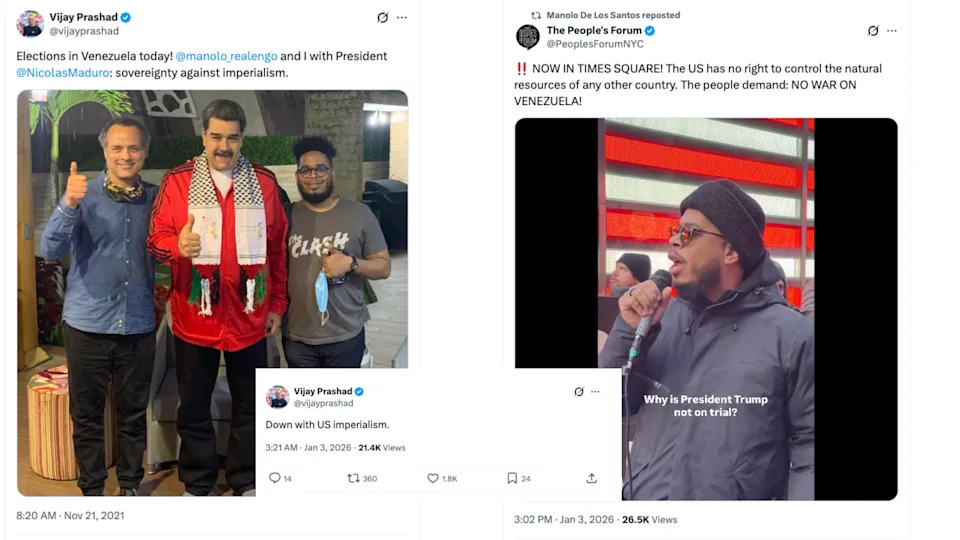
- 3:21 a.m. — Vijay Prashad of Tricontinental denounced the action as U.S. imperialism.
- 6:09 a.m. — CodePink issued a statement condemning the U.S. operation.
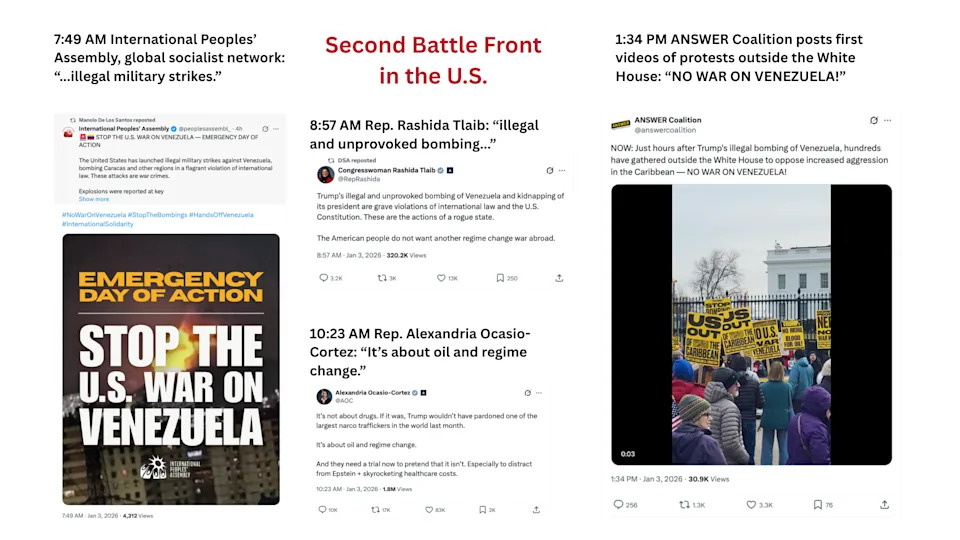
- 7:49 a.m. — The International Peoples’ Assembly amplified the "EMERGENCY DAY OF ACTION" poster and called on members to resist the operation.
Daytime Activity
- Throughout the morning and afternoon, aligned outlets and organizers posted clips, hosted livestreams and shared graphics to sustain mobilization and drive protests in multiple cities.
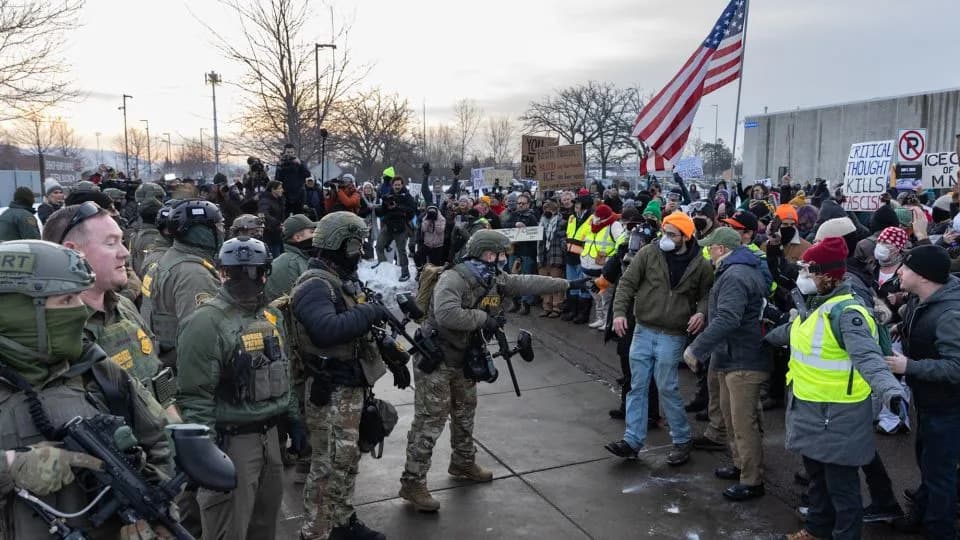
- By mid‑afternoon, organizers reported demonstrations in more than 100 cities and streamed events from Times Square and the White House area.
Who Is Involved?
The network named in the reporting includes BreakThrough News, The People’s Forum, the ANSWER Coalition, the Party for Socialism and Liberation, Tricontinental: Institute for Social Research, CodePink, and affiliates of the International Peoples’ Assembly and People’s Dispatch. Several organizers named in the timeline — including Manolo De Los Santos, Brian Becker and Vijay Prashad — have longstanding links to international solidarity work with Venezuela.
Congressional investigators have been examining ties between some organizations in this ecosystem and technology executive Neville Roy Singham, a U.S.‑born businessman now based in Shanghai. Critics allege alignment with Chinese state interests; Singham did not respond to requests for comment cited in original reporting.
Analysis: Coordination, Messaging, And Implications
Intelligence analysts and experts describe the pattern as consistent with a rapid‑response influence apparatus: synchronized messaging across platforms, staggered content releases, and a quick shift from online agitation to street mobilization. In this framework, nonprofit leaders and allied media act as messaging nodes that shape narratives, influence public perception and apply domestic political pressure in moments of foreign‑policy crisis.
Experts say: The operation’s speed and coordination suggest a prepared ecosystem able to convert breaking news into organized protest and sustained information campaigns.
Political Echoes And International Reaction
Domestic politicians and organizations echoed many of the network’s talking points; several elected officials described the U.S. action as "illegal" or as a form of regime change. Internationally, China and Russia condemned the U.S. operation, mirroring the narrative put forward by the pro‑Maduro coalition.
What This Means Going Forward
Officials and analysts warn that the same rapid‑response mechanisms could be used repeatedly to shape public debate during other foreign‑policy crises. Investigations into foreign ties and the potential classification of some activity as malign foreign influence are likely to continue as authorities assess legal and national‑security implications.
Note: This account synthesizes social media timelines, public statements and expert commentary available in open sources. Where reporting cited congressional probes or allegations, those are presented as ongoing inquiries or claims rather than adjudicated findings.
Help us improve.