
President Nicolás Maduro and his wife, Cilia Flores, were arrested in Caracas on Jan. 3 and transferred to U.S. custody ahead of a Jan. 5 arraignment. Both face federal charges in the United States: Maduro on narco-terrorism, drug importation and weapons counts; Flores on drug importation and weapons-related charges. Council on Foreign Relations fellow Roxanna Vigil called their joint detention a “worst-case scenario,” noting their intertwined political futures and Flores’ deep influence in Chavismo. U.S. leaders have publicly underscored the gravity of the indictments and signaled strong action.
Maduro And 'Lady Macbeth' Cilia Flores Arrested: U.S. Custody Creates 'Worst-Case' Political Crisis

Venezuela's President Nicolás Maduro is being held at MDC Brooklyn.
President Nicolás Maduro and his wife, Cilia Flores, were arrested in Caracas on Jan. 3 and transferred to U.S. custody ahead of a Jan. 5 arraignment, federal officials say. Their detention and the criminal charges filed against them have created what a national security expert described as a "worst-case scenario" for the couple and for Venezuela’s Chavista movement.
Charges And Immediate Details
Maduro, 63, faces four federal counts: narco-terrorism conspiracy; cocaine importation conspiracy; possession of machine guns and destructive devices; and conspiracy to possess such weapons. Flores, 69, is charged with three counts: cocaine importation conspiracy; possession of machine guns and destructive devices; and conspiracy to possess those weapons.
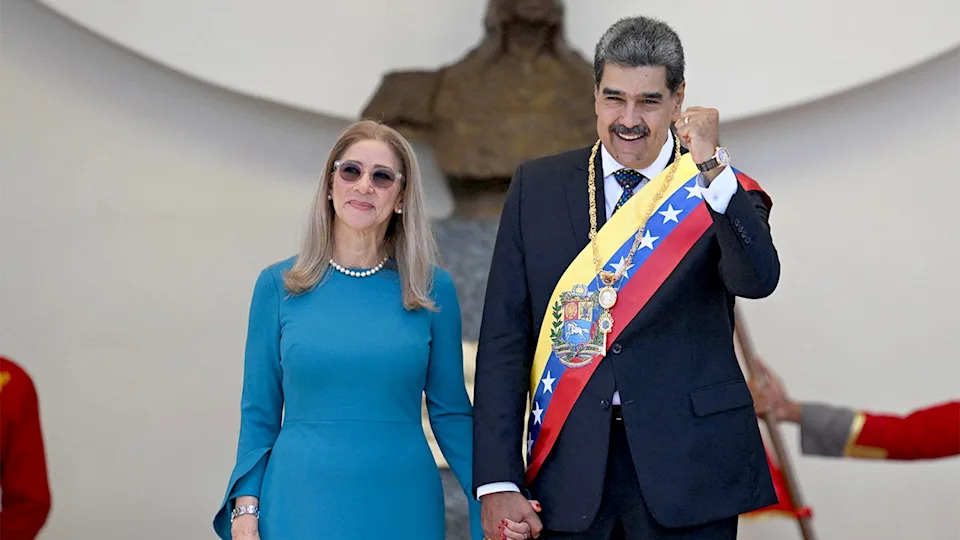
Venezuelan President Nicolás Maduro gestures next to his wife Cilia Flores as they leave the Capitolio, home of the National Assembly, after taking the oath during the presidential inauguration in Caracas on Jan. 10, 2025.
Cilia Flores: From Chávez Defender To Key Insider
Flores first gained public attention in 1994 when, as a lawyer, she defended Hugo Chávez after his failed 1992 coup attempt. She was elected to the National Assembly in 2000, later served as its president — succeeding Maduro in that role — and was Venezuela’s attorney general from 2012 to 2013. A longtime Chavista operative, Flores was sanctioned by the U.S. government in 2018.
“This is a worst-case scenario for them, not being in power but in custody of the U.S. government,” said Roxanna Vigil, a Council on Foreign Relations fellow. “They are husband and wife, but there is also the political component because their political futures are tied together as well.”
Political Role And Allegations
Observers point to Flores’ behind-the-scenes influence during key moments in recent Venezuelan history. After the opposition won a supermajority in the National Assembly in 2015, Maduro established a parallel body that assumed the legislature’s powers — a move critics say Flores helped orchestrate. Vigil also highlighted allegations that members of Flores’ family, including two nephews, have been implicated in criminal activity tied to U.S. investigations.
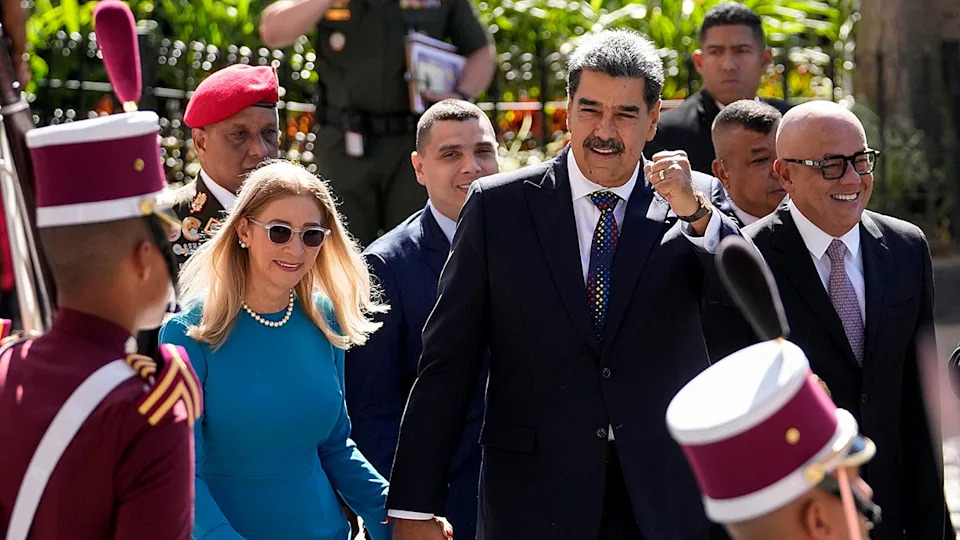
Venezuelan President Nicolás Maduro and his wife Cilia Flores arrive at the National Assembly for his swearing-in ceremony for a third term in Caracas, Venezuela, Jan. 10, 2025.
U.S. Reactions And Wider Implications
U.S. leaders and officials have emphasized the seriousness of the indictments. President Donald Trump warned of serious consequences for Maduro and suggested a temporary U.S. role to oversee a transition in Venezuela. Senator Marco Rubio urged the public to read the recently unsealed indictments, and Attorney General Pam Bondi said Maduro and Flores will "soon face the full wrath of American justice on American soil in American courts." Reports also described Maduro’s capture at a fortified house and referenced elite units involved in the operation.
The arrests raise immediate legal questions about arraignment and prosecution and profound political questions about how Venezuela will navigate a potential transition and whether the Chavista movement can survive this crisis.
Legal proceedings were scheduled to begin with a Jan. 5 arraignment.
Help us improve.


