Assembly Bill 578 takes effect Jan. 1 and requires third-party food-delivery apps in California to issue full cash refunds to the original payment method when orders are missing or incorrect. Refunds must cover the complete amount paid, including taxes and tips; partial refunds remain allowed for partially incorrect orders. The law also mandates itemized receipts, access to human customer service when automated systems fail, and allows fraud investigations that comply with consumer-protection rules.
California Requires Food Delivery Apps to Pay Full Cash Refunds — No More In-App Credits Starting Jan. 1
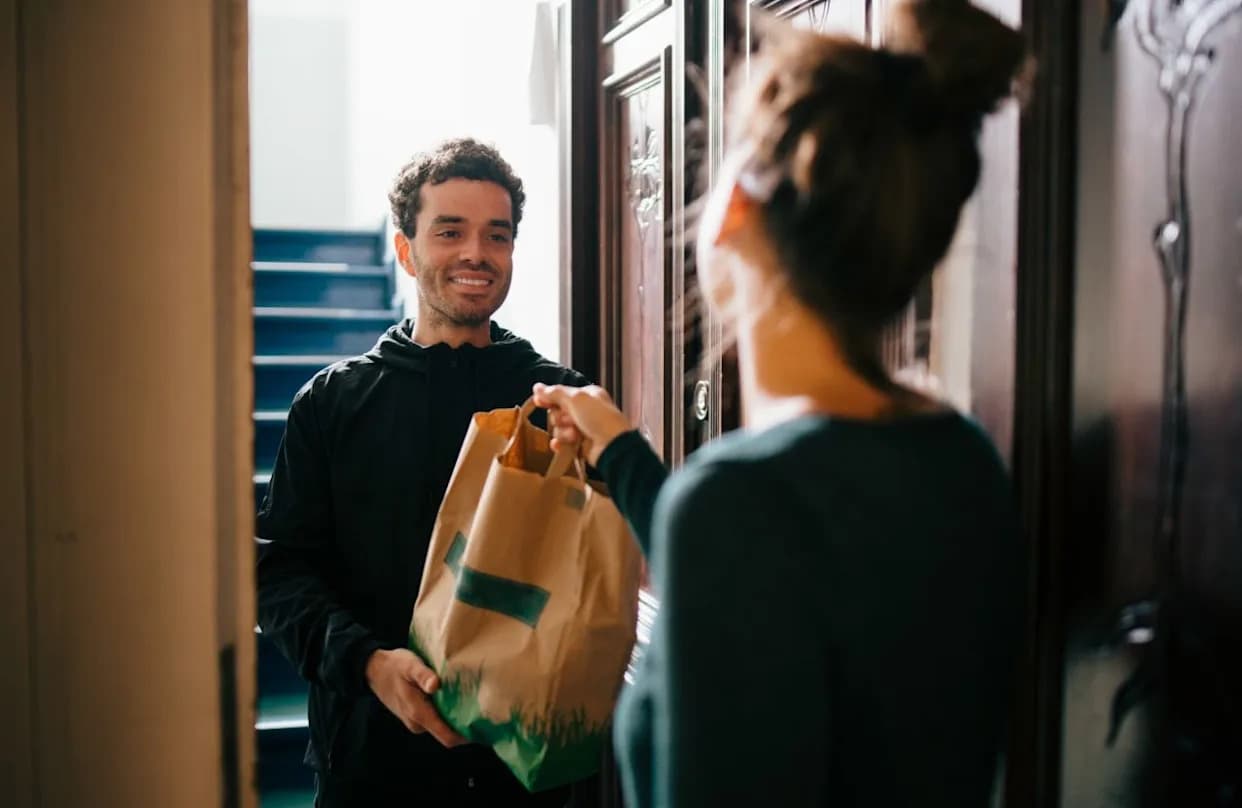
Maskot\Getty ImagesImage of a man delivering food
California is changing how food-delivery platforms handle refunds. Beginning Thursday, Jan. 1, Assembly Bill 578 requires third-party delivery apps — including services like DoorDash and Uber Eats — to issue full cash refunds to customers when orders are missing or incorrect, rather than offering in-app credits.
What The Law Requires
Full Cash Refunds: Platforms must refund the full amount of an order, including taxes and tips, to the customer’s original payment method when a delivery is not completed as promised. If only part of an order is missing or incorrect, companies may issue a partial cash refund.
Gabby Jones/Bloomberg/GettyThe homepage for DoorDash on a smartphone arranged in the Brooklyn borough of New York, U.S., on Tuesday, Dec. 1, 2020.
Itemized Receipts: Delivery apps must provide an itemized breakdown of each transaction so customers can see exactly what they were charged for food, fees, taxes and tips.
Human Customer Service: Companies must offer access to a human customer-service representative when an issue cannot be resolved through automated systems.
GettyThe Uber Eats app seen displayed on a mobile phone.
Fraud Safeguards: To reduce abuse, the law permits platforms to investigate suspicious refund requests, but investigations must still comply with the statute’s consumer-protection rules.
Context And Impact
Authored by Assemblywoman Rebecca Bauer-Kahan, AB 578 builds on California’s Fair Food Delivery Act of 2020, which increased transparency and limited certain fees for third-party delivery platforms. Governor Gavin Newsom signed the bill in October as part of broader efforts to strengthen consumer protections.
The change responds to long-running complaints that app credits can expire, limit consumer choice and push dissatisfied customers to continue using the same service. Supporters say mandatory cash refunds provide a clearer, fairer remedy and strengthen accountability for platforms when service fails.
Food-delivery companies operating in California will need to update refund processes, receipts and customer-service workflows by the Jan. 1 effective date to ensure compliance.
Bottom line: If your California delivery arrives wrong or not at all, you should receive a full cash refund to your original payment method — not store credit.
Help us improve.