South Korean President Lee Jae Myung is on a four-day visit to China to strengthen trade ties and expand cooperation in areas such as AI and startups while avoiding escalation over Taiwan. The trip, the first by a South Korean president to Beijing in six years, follows large Chinese military drills around Taiwan that Seoul declined to condemn. Lee’s delegation includes senior business leaders from Samsung and Hyundai, and meetings with Xi Jinping and Premier Li Qiang aim to translate diplomacy into concrete economic and diplomatic gains. Officials also hope China will ease informal restrictions on South Korean pop culture exports.
South Korea's Lee Visits China to Boost Trade, Avoid Taiwan Escalation
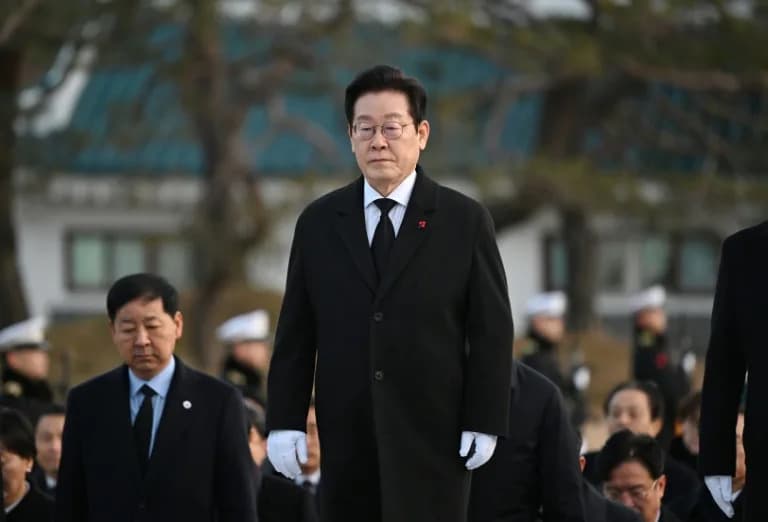
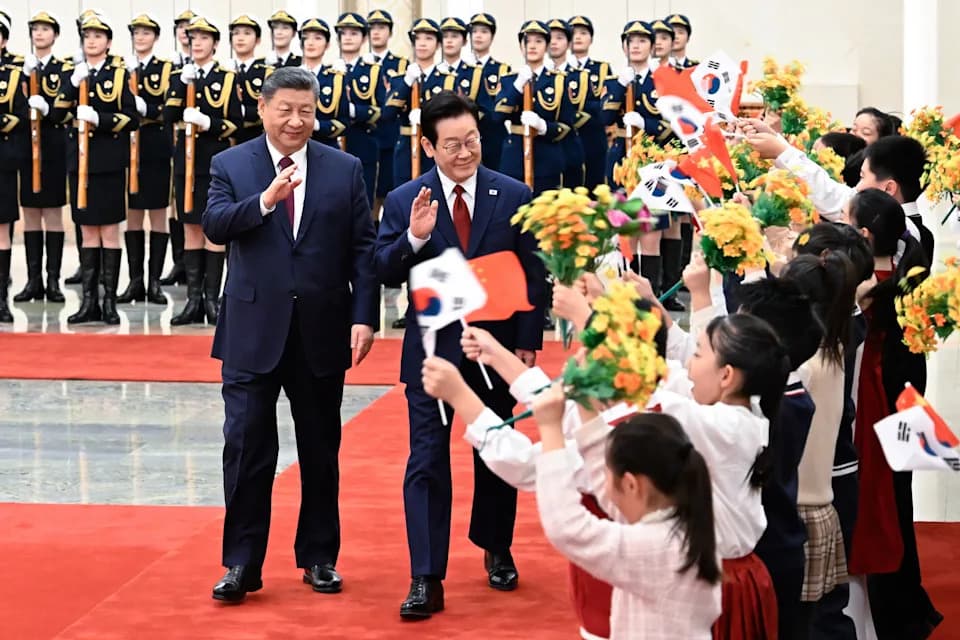
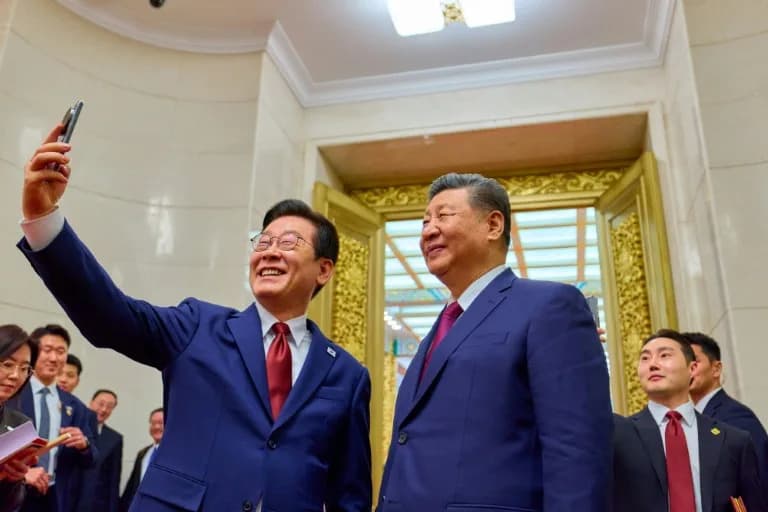
In a first visit by a South Korean leader to China in six years, President Lee Jae Myung hopes to forge closer ties (Jung Yeon-je)(Jung Yeon-je/AFP/AFP)
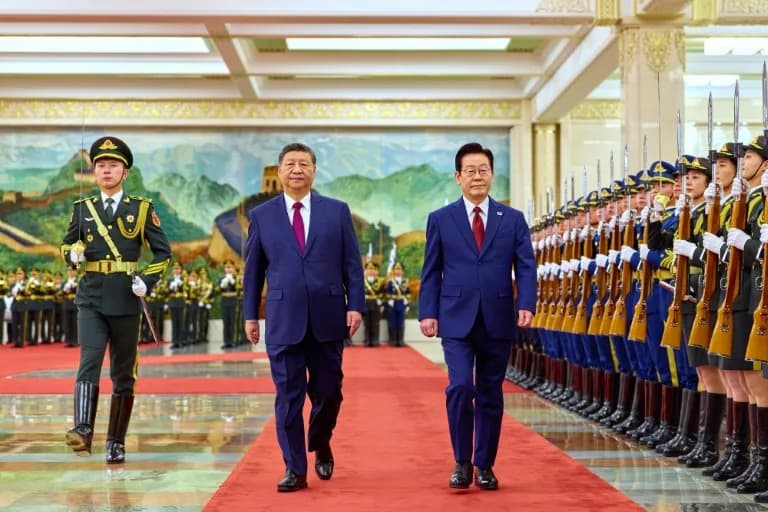
South Korean President Lee Jae Myung arrived in Beijing on Sunday for a four-day visit aimed at deepening economic ties with China while steering clear of escalating tensions over Taiwan and other security flashpoints.
The trip, the first by a South Korean leader to Beijing in six years, comes days after China conducted large-scale military drills around Taiwan featuring missiles, fighter jets, navy ships and coastguard vessels — exercises that drew wide international criticism that Seoul notably did not join.
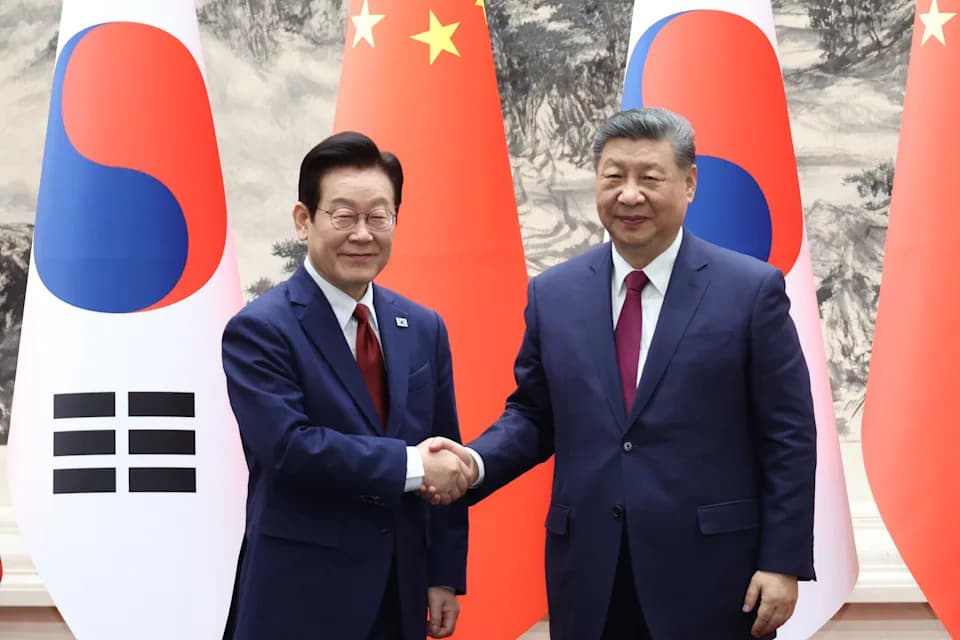
Lee is traveling with a heavy business delegation that includes senior executives from Samsung and Hyundai, along with leaders from the entertainment and gaming sectors. His packed agenda includes a summit with President Xi Jinping on Monday and trade talks with Premier Li Qiang on Tuesday, followed by visits to Shanghai's financial district and a startup summit.
Economic Agenda: Trade, AI and Cultural Exports
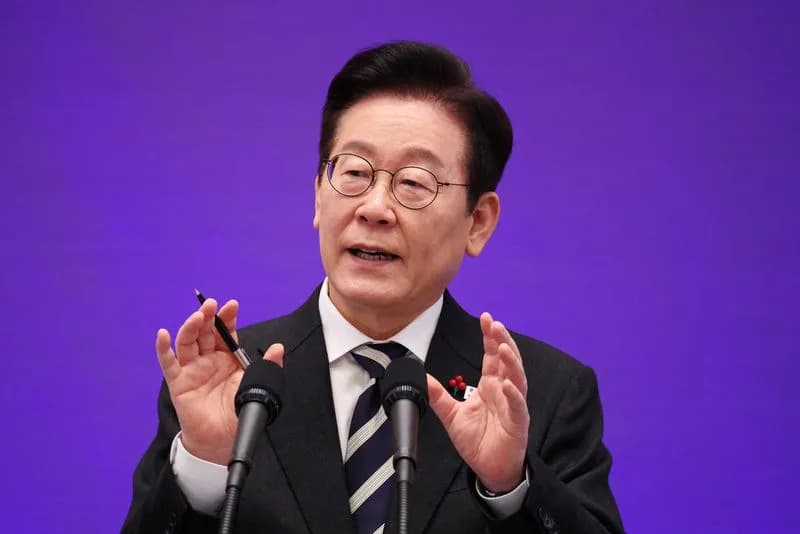
Lee has pressed for "more horizontal and mutually beneficial" trade relations, signaling Seoul’s desire for a more balanced economic relationship with China. Samsung’s presence highlights cooperation in critical sectors such as memory chips and AI, while Hyundai and cultural industry leaders underscore South Korea’s interests in autos, technology and K-pop.
Officials hope the visit will persuade Beijing to relax what Seoul describes as an unofficial restriction on South Korean pop culture imports that has limited K-pop and other cultural exports for almost a decade.
Security Balancing Act
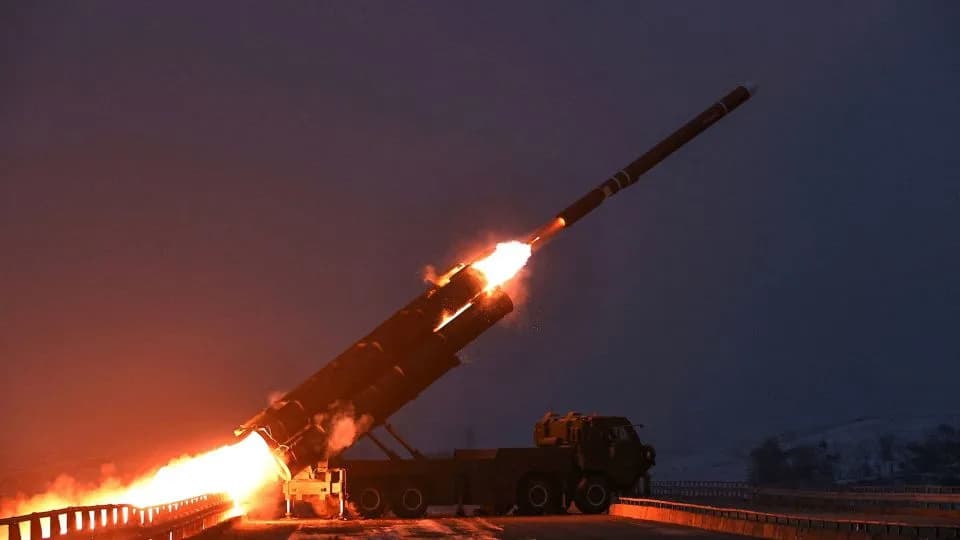
Only hours before Lee departed, South Korea’s military reported that North Korea fired a ballistic missile into the Sea of Japan—Pyongyang’s first ballistic test of the year. The launch underscored the fragile security context that shadows Lee’s diplomacy as Seoul balances ties with China, its largest trading partner, and the United States, its principal security guarantor.
Kang Jun-young, a professor at Hankuk University of Foreign Studies, told AFP that Beijing sees South Korea as a potential pivot away from Washington as trilateral cooperation among South Korea, the United States and Japan strengthens.
Lee has largely avoided taking sides in recent Sino-Japanese disputes, arguing that "taking sides only worsens tensions," and in a recent interview with Chinese state broadcaster CCTV he reiterated the importance of respecting the "one-China" principle and maintaining peace and stability in the Taiwan Strait and Northeast Asia.
Diplomacy With Purpose
Beyond trade, Lee plans to explore whether China can play a constructive role in reviving stalled engagement with North Korea, which remains heavily dependent on Beijing economically and diplomatically. Seoul’s presidential adviser Wi Sung-lac said the meetings are intended to recalibrate bilateral ties and advance practical cooperation.
Lee and Xi last met in November on the sidelines of a regional summit, a meeting Seoul characterized as a reset after years of tension. This visit seeks to translate diplomatic rapprochement into concrete economic and strategic outcomes while keeping sensitive security issues off the front burner.
By the end of the visit, officials hope to have advanced trade talks, expanded business cooperation in technology and AI, and taken steps toward easing cultural restrictions that have limited South Korean content in China.
Help us improve.