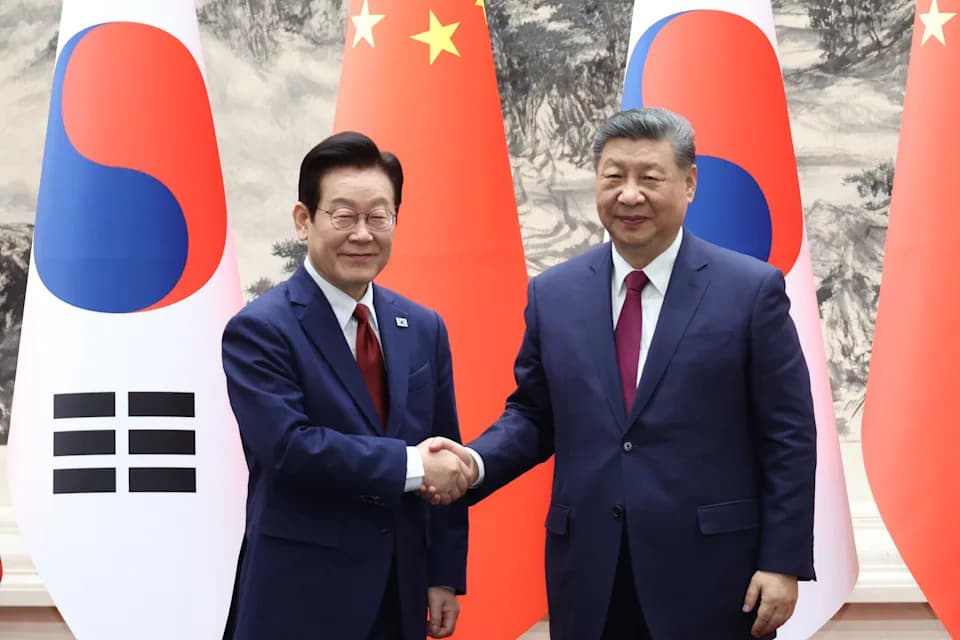
Chinese President Xi Jinping has invited South Korean President Lee Jae‑myung to Beijing for a state visit that will be their second summit in two months. The talks will focus on practical cooperation — including supply chains, rare earths, tourism and transnational crime — and on persuading China to play a constructive role on Korean Peninsula issues. Seoul aims to restore ties with China while preserving strong relations with the US and Japan; AI, alliance modernisation and cultural issues such as K‑pop restrictions are also expected to figure in the discussions.
South Korea’s Lee to Visit Beijing for Second Summit With Xi — Trade, Security and AI on the Agenda
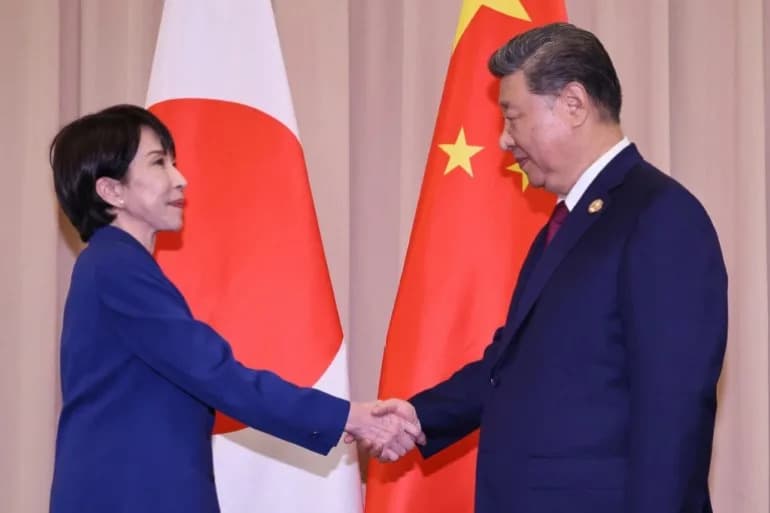
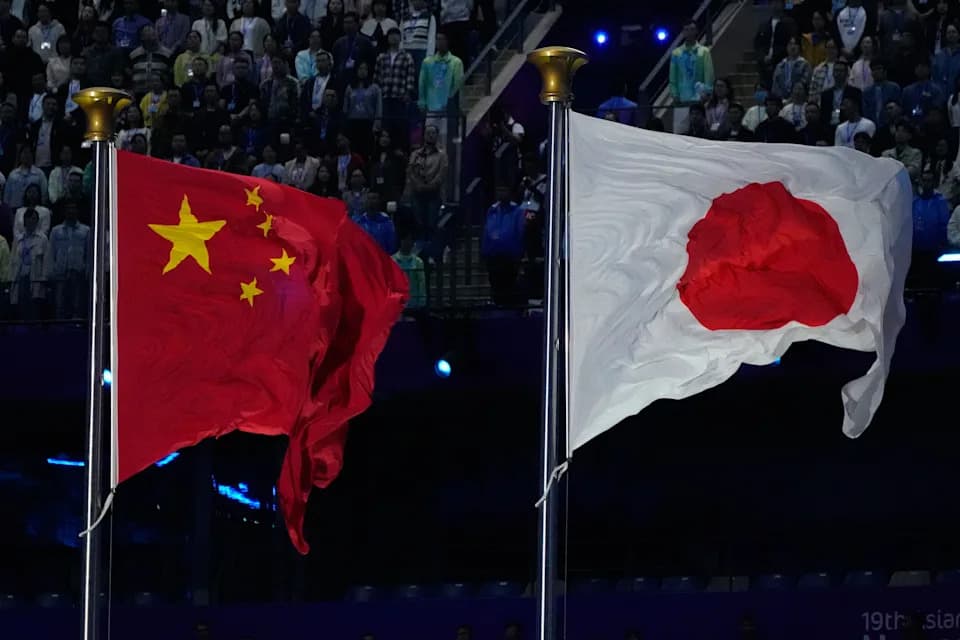
Japan’s Prime Minister Sanae Takaichi (L) shakes hands with Chinese President Xi Jinping before the Japan-China summit on the sidelines of the Asia-Pacific Economic Cooperation (APEC) Summit in Gyeongju [File: Jiji Press/AFP]
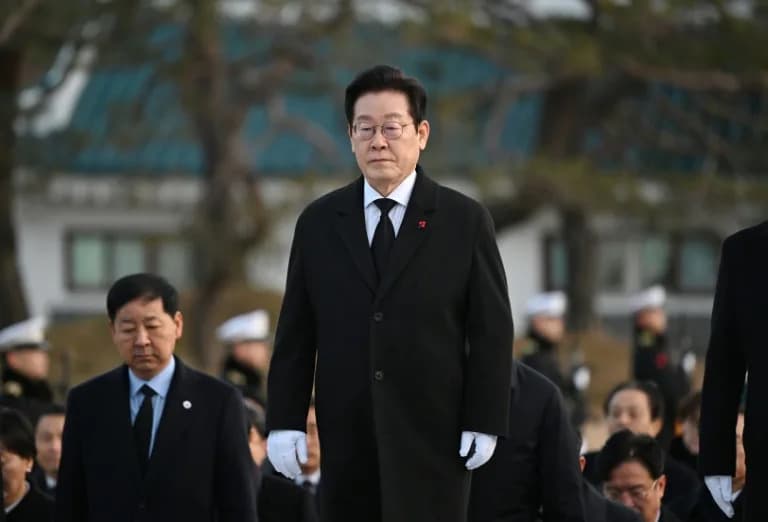
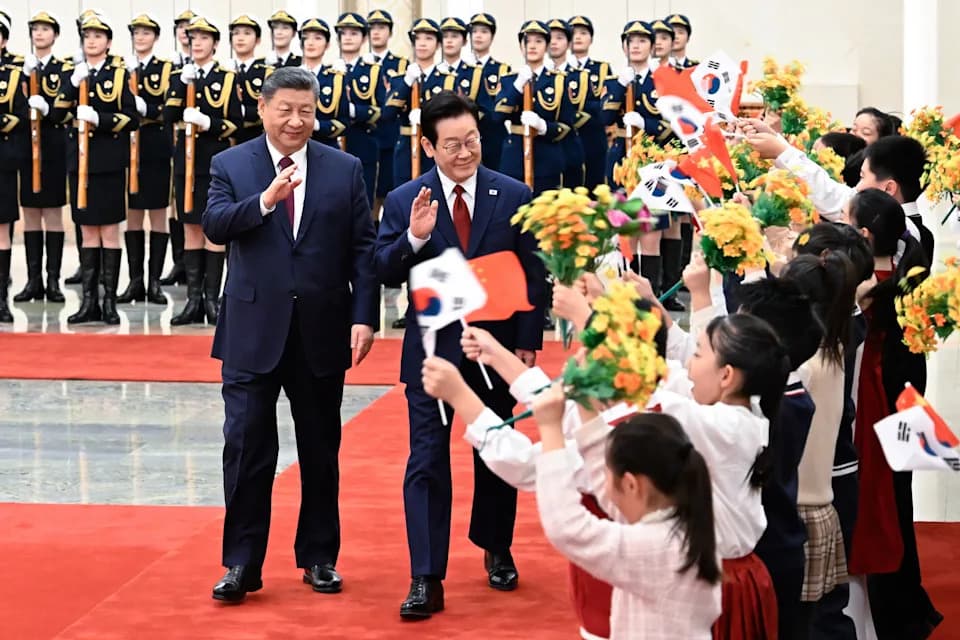
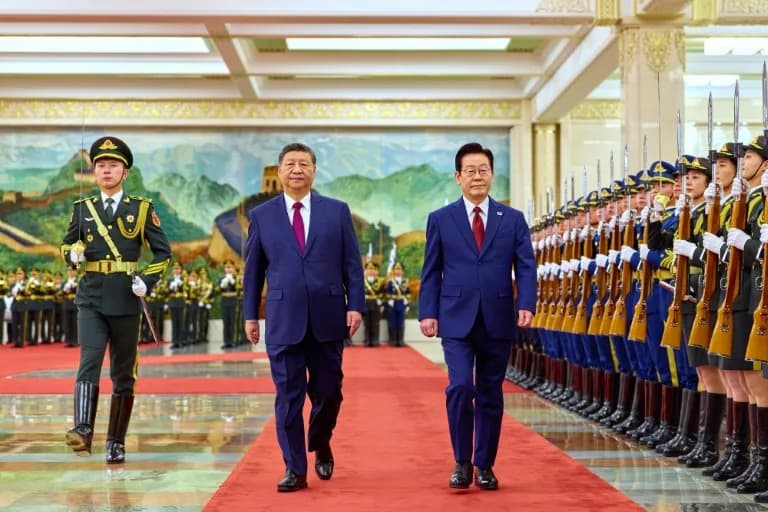
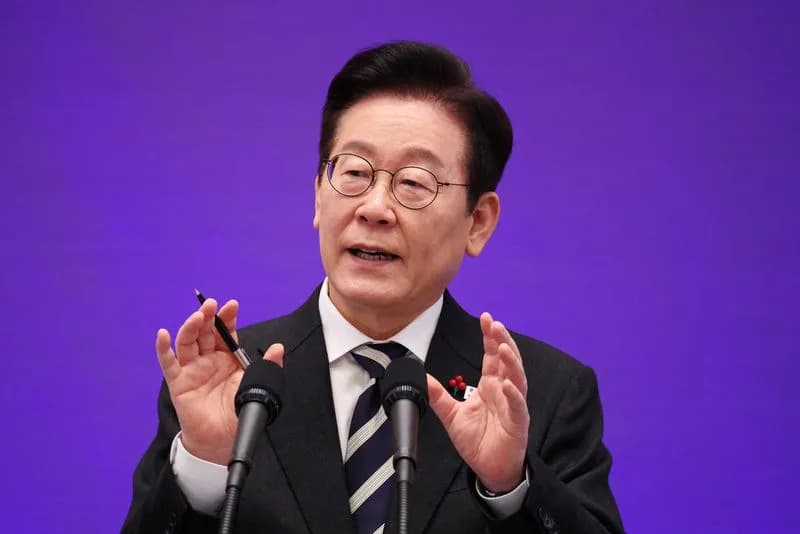
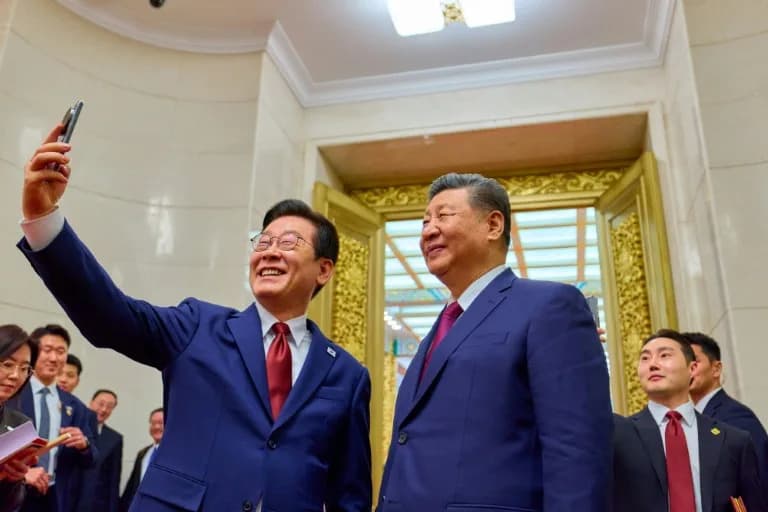
Chinese President Xi Jinping has invited South Korean President Lee Jae‑myung for a state visit to Beijing, marking the second meeting between the two leaders in just two months as Beijing seeks to deepen ties amid rising regional tensions.
South Korea’s national security adviser, Wi Sung‑lac, said Lee will meet Xi in Beijing on Monday and will then travel to Shanghai to visit the historic site of Korea’s provisional government from Japan’s 35‑year colonial rule. Wi said the talks will emphasise “practical cooperation” on supply‑chain investment, tourism and joint responses to transnational crime, according to Yonhap.
Key Topics Expected
Economic and technological cooperation: Discussions are expected to cover critical minerals and rare earths (nearly half of South Korea’s rare earths come from China), semiconductor supply‑chain resilience, and potential partnerships in artificial intelligence and other advanced technologies. Huawei has signalled plans to bring its Ascend 950 AI chips to South Korea next year, offering an alternative to Nvidia for some Korean firms.
Security and diplomacy: Lee is expected to press China to play a “constructive” role in efforts to achieve breakthroughs on the Korean Peninsula. The leaders may also address sensitive issues such as modernising the South Korea–US alliance — currently underpinned by about 28,500 US troops stationed in Korea — which some view as a counterbalance to China’s regional influence.
Historical and cultural diplomacy: Lee’s itinerary includes a visit to the provisional government site in Shanghai. The business delegation accompanying Lee reportedly includes the CEO of SM Entertainment, signalling an effort to address longstanding restrictions on K‑pop and cultural exports that followed the 2017 THAAD deployment.
Context And Strategic Timing
This unusually short interval between meetings — two summits in as many months — reflects Beijing’s apparent desire to bolster relations with Seoul ahead of the next leaders’ talks between South Korea and Japan. Relations between China and Japan remain strained after remarks by Japanese Prime Minister Sanae Takaichi suggesting a hypothetical military response to a Chinese attack on Taiwan.
“Korea is not simply responding to threats on the peninsula,” General Xavier Brunson, commander of US Forces Korea, said at a Dec. 29 forum. “Korea sits at the crossroads of broader regional dynamics that shape the balance of power across Northeast Asia.”
Wi reaffirmed South Korea’s adherence to the One China policy while noting Seoul will continue practical ties with Taiwan. Analysts say Lee’s government is pursuing “restorative” diplomacy with China while maintaining strong security and economic ties with both the United States and Japan.
North Korea And Regional Dynamics
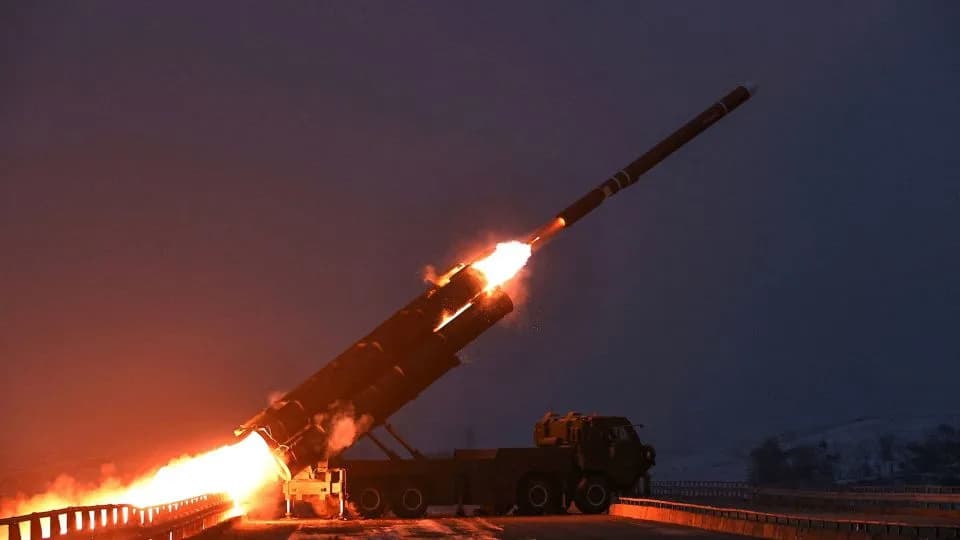
With China still North Korea’s principal ally and economic lifeline, Seoul hopes to secure Beijing’s help in encouraging Pyongyang back to dialogue — despite Pyongyang’s earlier dismissal of Lee as a “hypocrite.” China and North Korea have maintained visible coordination, illustrated by Kim Jong Un standing alongside Xi at a major military parade in September.
Lee’s visit is likely to balance multiple goals: repairing and stabilising economic ties with China (Seoul’s largest trading partner), diversifying supply chains for critical materials, exploring AI and green‑industry cooperation, and seeking diplomatic support on peninsula security — all while signalling that South Korea will continue close alliances with the US and Japan.
Who’s watching: Governments in Seoul, Tokyo, Beijing and Washington will be closely watching the summit’s outcomes for any shifts in trade commitments, security language, or technology cooperation that could alter the balance of influence in Northeast Asia.
Help us improve.