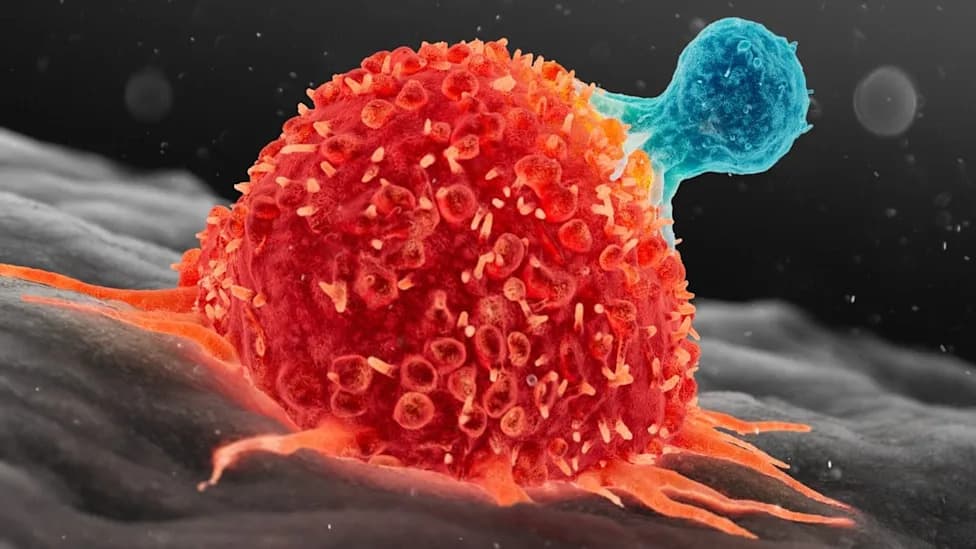
After a 2020 bike crash and alarming lung scans, Andy Provencher faced a year of conflicting tests and a possible diagnosis of terminal lung cancer. A physician assistant suggested IgG4-related disease (IgG4-RD); rheumatologist Dr. John Stone confirmed the diagnosis and enrolled Provencher in a trial of inebilizumab. The drug, which targets CD19 to deplete B cells, cut one-year flare risk by 87% and allowed 90% of treated patients to stop steroids for a year; it received FDA approval in April 2025. Provencher reports major improvement, though some prior organ damage remains.
Misdiagnosed With Terminal Lung Cancer, Man Finds Rare Immune Disease — New Drug Brings Hope
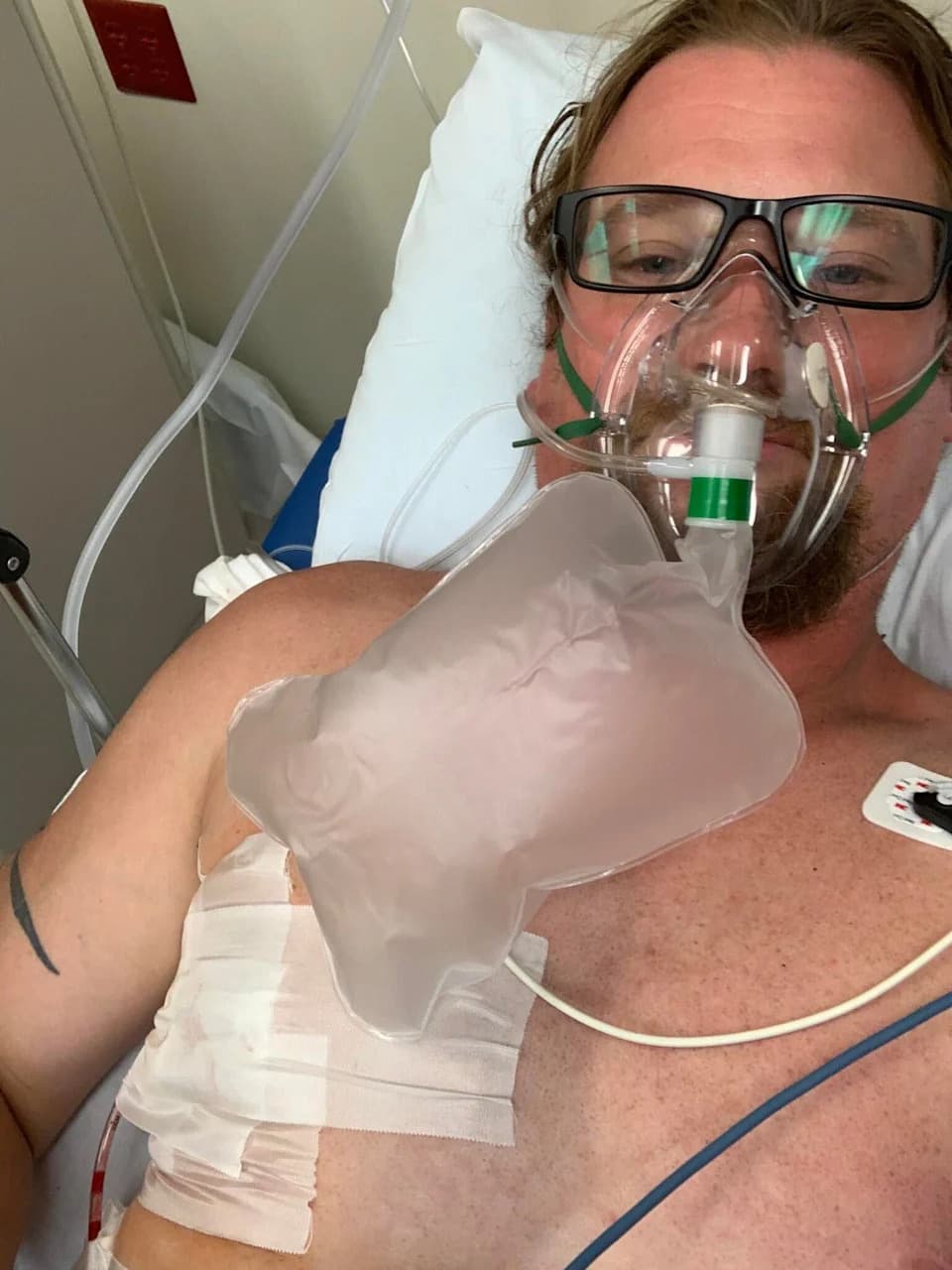
Andy Provencher in the hospital. / Credit: Andy Provencher
When 45-year-old Andy Provencher crashed his mountain bike in June 2020, he expected bruises and a lecture from his wife — not a life-changing medical mystery. While being treated for broken bones and a punctured lung, emergency doctors told him his lungs were 'littered with masses' and suspected an aggressive form of lung cancer. That warning launched a year of conflicting tests, multiple specialist visits and mounting anxiety.
Biopsies and scans were inconclusive, and several clinicians recommended starting chemotherapy. Provencher's condition worsened: he lost energy, had trouble climbing stairs and developed widespread pain. Two weeks before planned chemotherapy, a physician assistant training in rheumatology suggested a rare diagnosis: IgG4-related disease (IgG4-RD). Provencher followed up with Dr. John Stone, a leading expert in the disorder, who confirmed the diagnosis after targeted testing and provided a treatment plan.
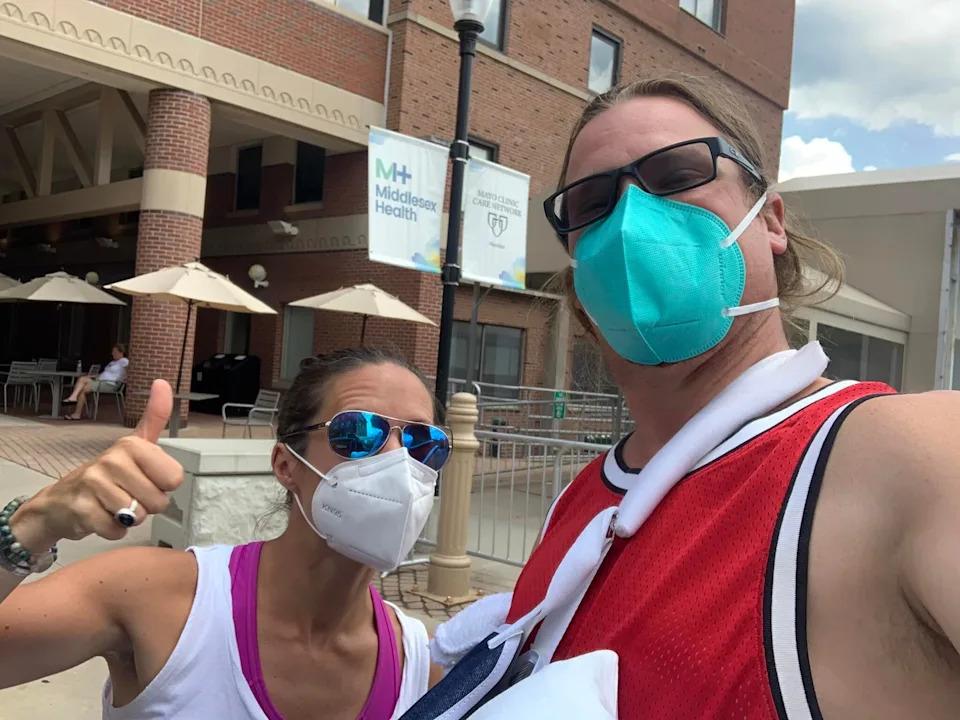
Andy and Katharine Provencher before a medical appointment during his diagnostic year. / Credit: Andy Provencher
'Once I heard that from Dr. Stone, our world stopped spinning,' Provencher said. 'It's like in The Wizard of Oz, when the house sits on the ground. You can breathe.'
What Is IgG4-Related Disease?
IgG4-RD is an uncommon immune-mediated condition that can cause inflammation, lesions and scarring in virtually any organ system. It most commonly affects the pancreas, liver and biliary tree, salivary glands and lymph nodes, but may also involve the lungs, eyes and central nervous system. Symptoms vary widely depending on which organs are affected and how advanced the disease is.
Diagnosis is challenging: there is no single definitive blood test or biopsy that always confirms IgG4-RD. Physicians must often exclude infections, cancer and other autoimmune diseases before reaching a diagnosis. As Dr. Ambreesh Chawla of the Cleveland Clinic and Dr. John Stone of Massachusetts General Hospital note, delayed or incorrect diagnoses are common and can compound patients' physical and emotional burden.
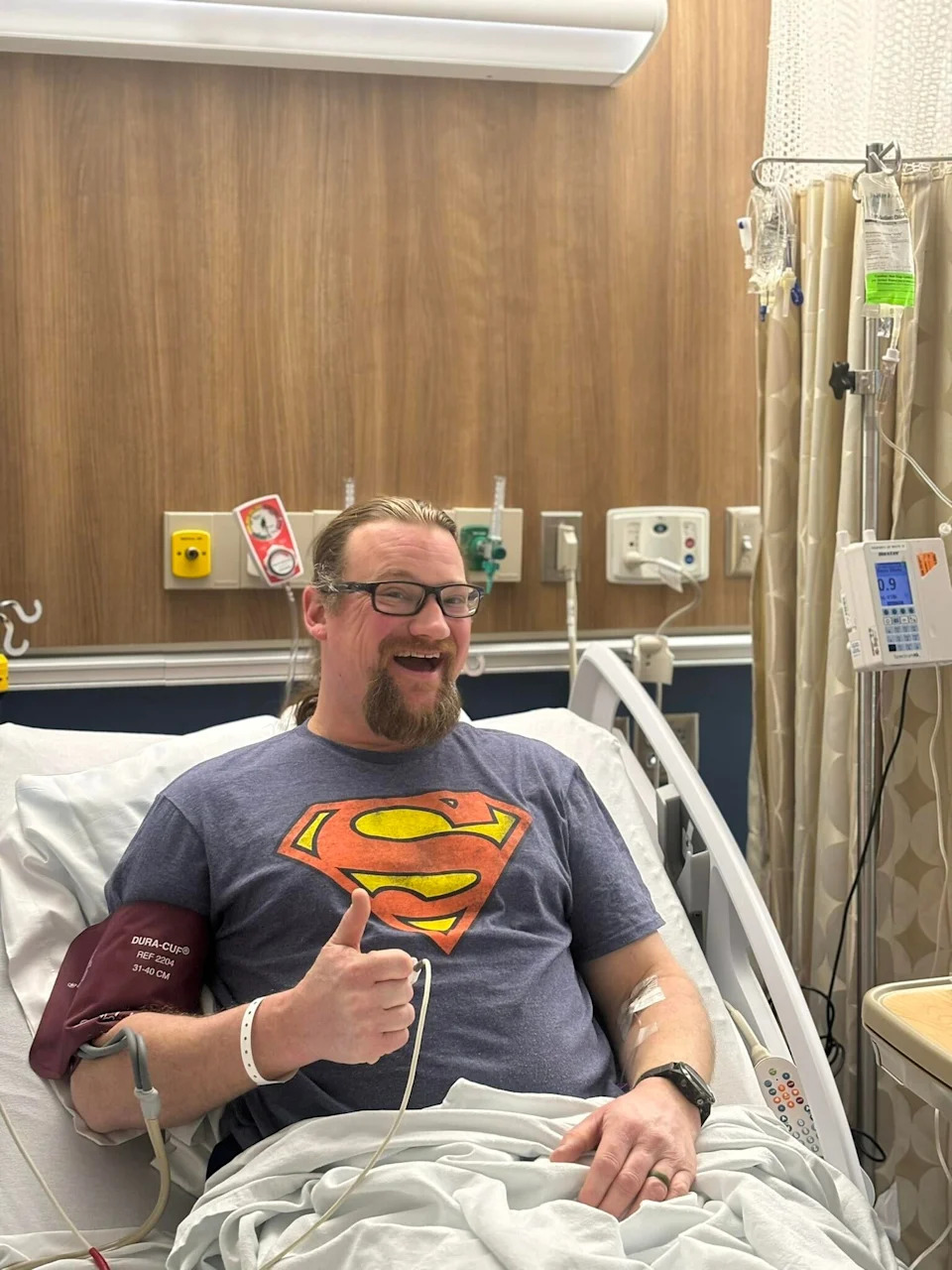
Andy Provencher in the hospital. / Credit: Andy Provencher
Clinical Trial and a New Treatment Option
Dr. Stone enrolled Provencher in a randomized clinical trial evaluating inebilizumab, a monoclonal antibody that targets CD19 on B cells to achieve B-cell depletion. In the trial's first phase, some patients received inebilizumab plus steroids while a control group received steroids alone. Dr. Stone had used B-cell–depleting therapies off-label for years, but this trial aimed to provide definitive evidence and potentially the first FDA-approved therapy for IgG4-RD.
According to trial results, inebilizumab reduced the risk of a disease flare over one year by 87% compared with controls, and 90% of patients treated with inebilizumab were able to discontinue steroids for at least one year versus 37% in the steroid-only group. In April 2025, inebilizumab received FDA approval as the first treatment for IgG4-RD.

From left: Dr. John Stone, Katharine Provencher and Andy Provencher. / Credit: Andy Provencher
Life After Diagnosis
Three years after his diagnosis, Provencher continues on inebilizumab and reports substantial improvement: more energy, better mobility and the ability to play with his children. However, damage that occurred before treatment can be lasting. Experts emphasize that IgG4-RD can often be brought into remission but currently has no permanent cure; treatments focus on halting progression and preventing organ injury.
In 2023 Dr. Stone founded the IgG4ward! Foundation to raise awareness, educate patients and connect people with resources. Provencher's wife, Katharine, serves as the foundation's director of advocacy and community engagement. Provencher hopes broader awareness will shorten diagnostic delays for others and spare patients avoidable damage.
Key takeaway: Early recognition matters — and targeted B-cell therapy with inebilizumab now offers an FDA-approved option that substantially reduces flares and steroid dependence for patients with IgG4-RD.
Help us improve.