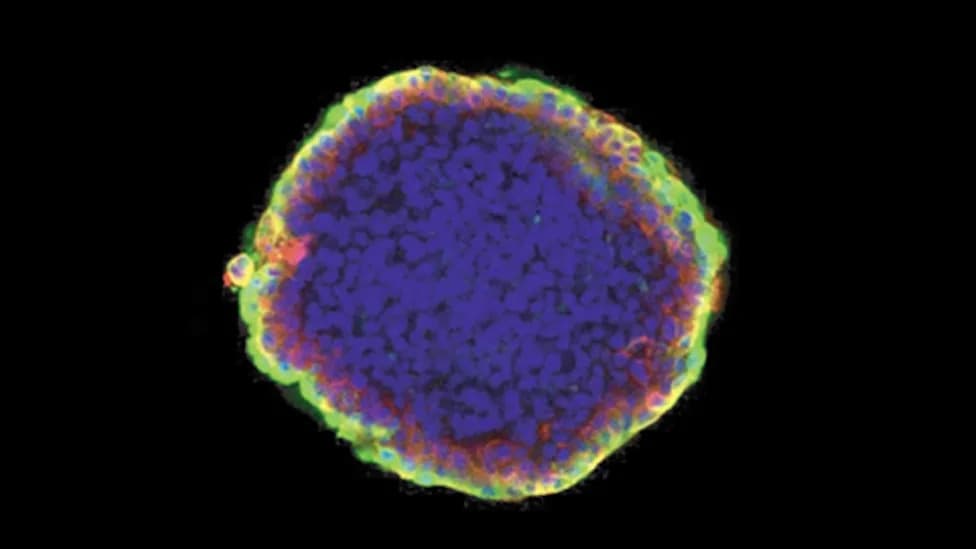
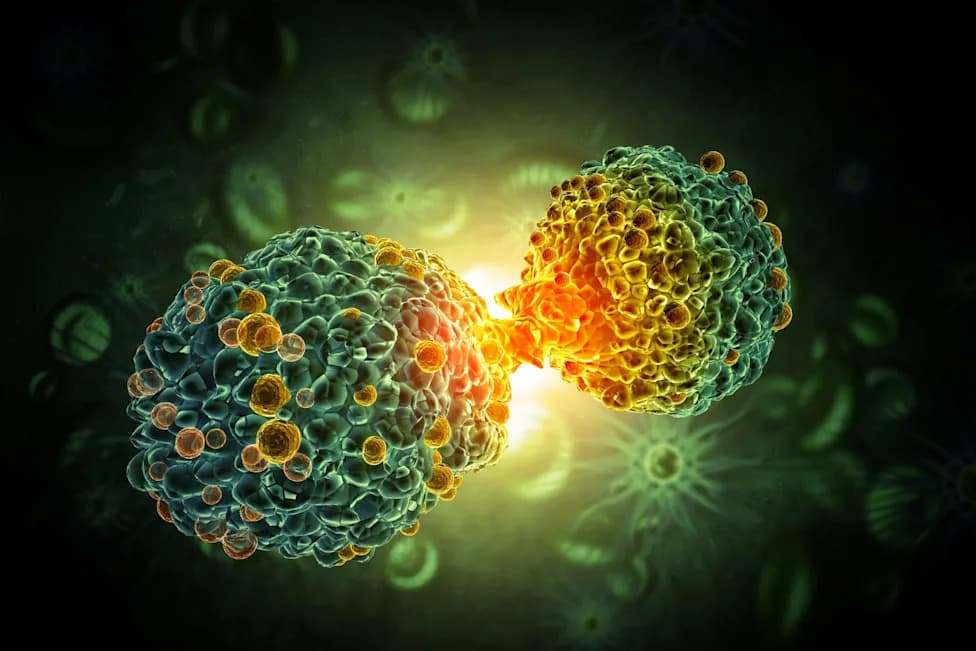
ACTREC researchers tested a resveratrol-plus-copper tablet in 20 glioblastoma patients prior to surgery and observed near-complete removal of cell-free chromatin particles and sharp reductions in several measures of tumour aggressiveness. The treated tumours showed ~33% lower growth activity and double-digit declines in biomarkers, with no side effects reported during the brief treatment. The trial was small and short—and investigators, Tata Memorial Centre and the American Cancer Society warn that larger, controlled studies are needed before this approach can be considered safe or effective in patients.
Common, Inexpensive Supplements Show Promising Early Effects Against Aggressive Brain Tumours — But Researchers Urge Caution

Researchers say a simple supplement combination triggered dramatic biological changes in glioblastoma tumors.
An inexpensive combination of two widely available supplements — resveratrol and copper — produced striking biological changes in glioblastoma tissue in a small, early clinical study, with no adverse effects reported. The results, published in BJC Reports, are provocative but preliminary, and researchers stress the approach remains experimental and not a substitute for established cancer care.
Investigators at the Advanced Centre for Treatment, Research and Education in Cancer (ACTREC) in Mumbai, led by Dr. Indraneel Mittra, tested a tablet formulation containing resveratrol paired with copper in 20 adults with glioblastoma who were already scheduled for tumour resection. Ten patients received the tablet four times daily for roughly 12 days before surgery; the other ten served as untreated controls. During operations, surgeons collected tumour tissue from all participants to allow direct laboratory comparison of treated and untreated samples.
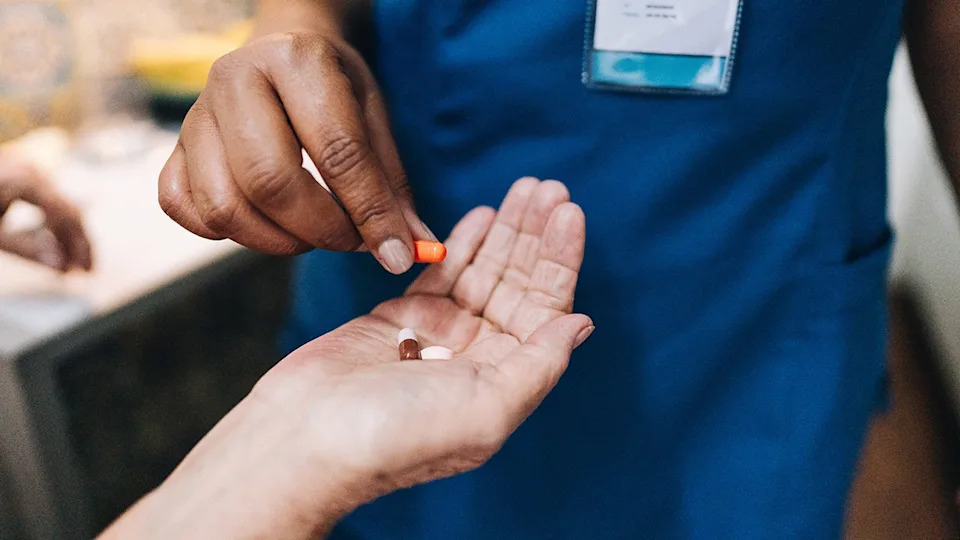
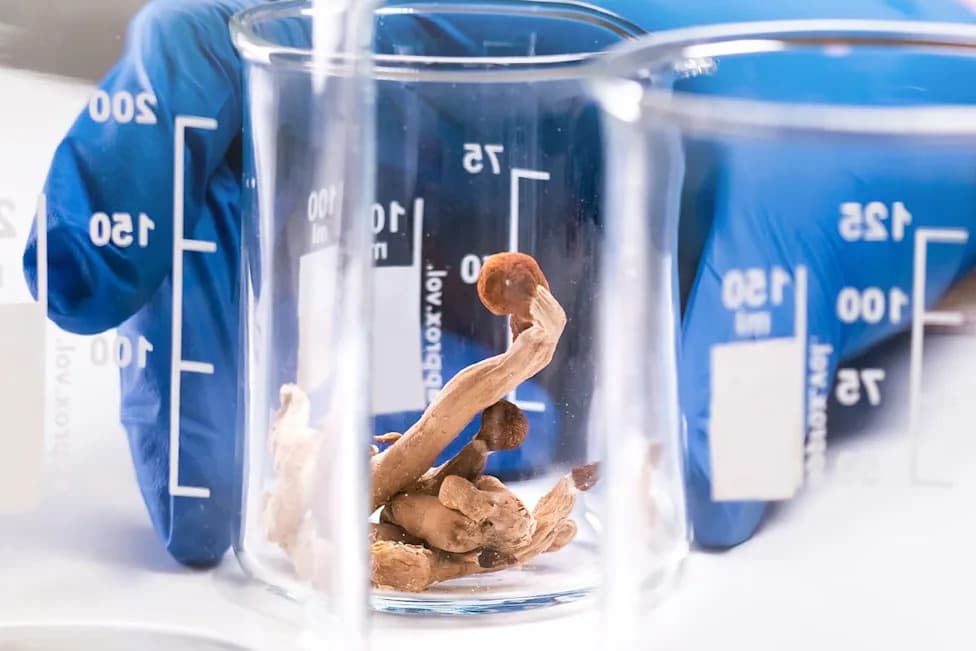
The tablets (not pictured) used small amounts of copper and resveratrol to generate molecules that break down DNA debris that can inflame cancer cells.
Key Biological Findings
Laboratory analyses of the treated tumour tissue revealed several notable changes. The most striking was a near-complete disappearance of cell-free chromatin particles — fragments of DNA released by dying cancer cells that can drive inflammation and worsen tumour behaviour. Compared with controls, treated tumours also showed reductions in measures associated with aggressiveness:
- Tumour growth activity fell by about 33%.
- Broad cancer biomarker levels dropped by about 57%.
- Immune-checkpoint signals decreased by about 41%.
- Cancer stem-cell markers were reduced by about 56%.
Importantly, the investigators reported no side effects during the short treatment window.
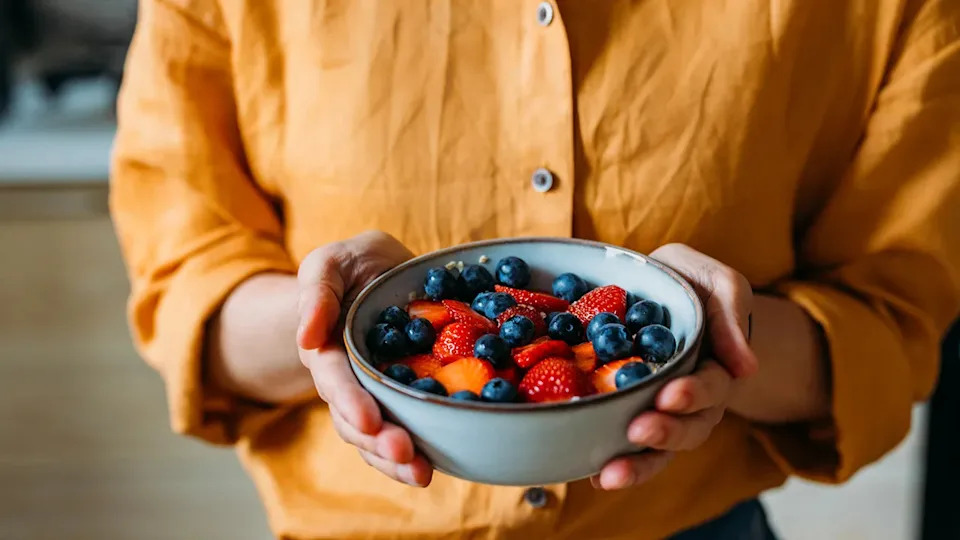
Resveratrol — a compound found naturally in foods like red grapes and berries — behaved differently in the experiment when paired with copper, helping break down harmful DNA fragments in tumors.
How It Might Work
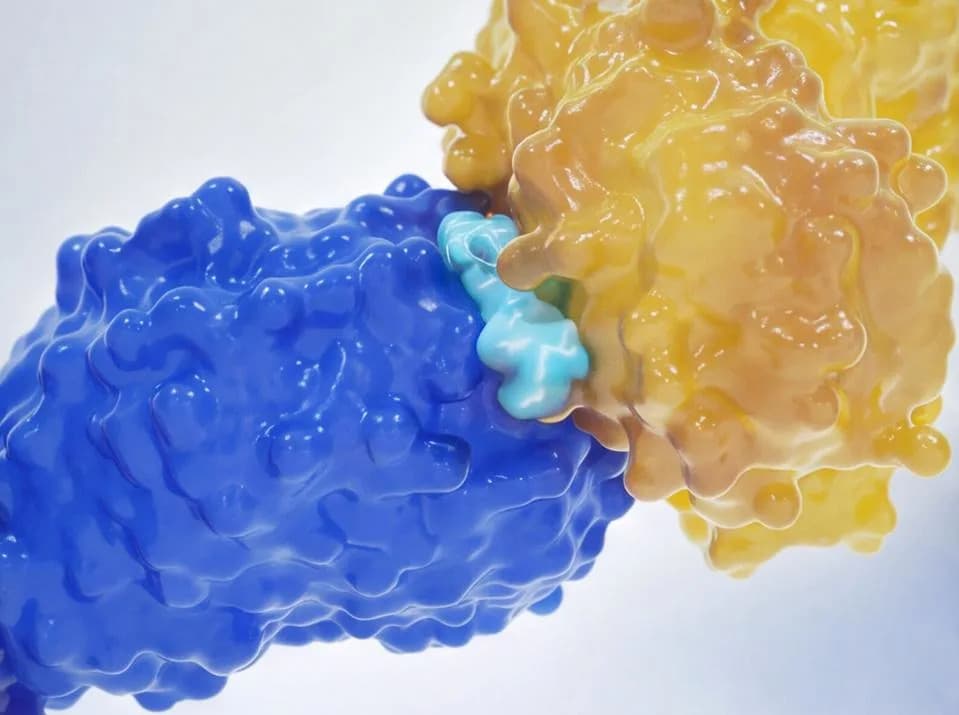
Resveratrol is a polyphenol found naturally in foods such as red grapes and berries. In this study, it was paired with copper because copper helps resveratrol generate short bursts of reactive molecules capable of breaking down extracellular DNA debris (cell-free chromatin). The team proposes that removing these DNA fragments could reduce inflammation and other signals that promote tumour aggressiveness.
“These results suggest that a simple, inexpensive and non-toxic nutraceutical tablet potentially has the power to heal glioblastoma,” Dr. Mittra said, while also urging careful interpretation of the early findings.
Limitations And Cautions
The authors and outside experts emphasize several important limitations. The trial included only 20 patients, the supplement was given for roughly 12 days, and the analysis focused on short-term tissue changes rather than clinical outcomes such as survival, tumour recurrence or quality of life. The tumours’ gross appearance did not visibly change, and it remains unknown how this regimen would interact with standard therapies like surgery, radiation and chemotherapy.
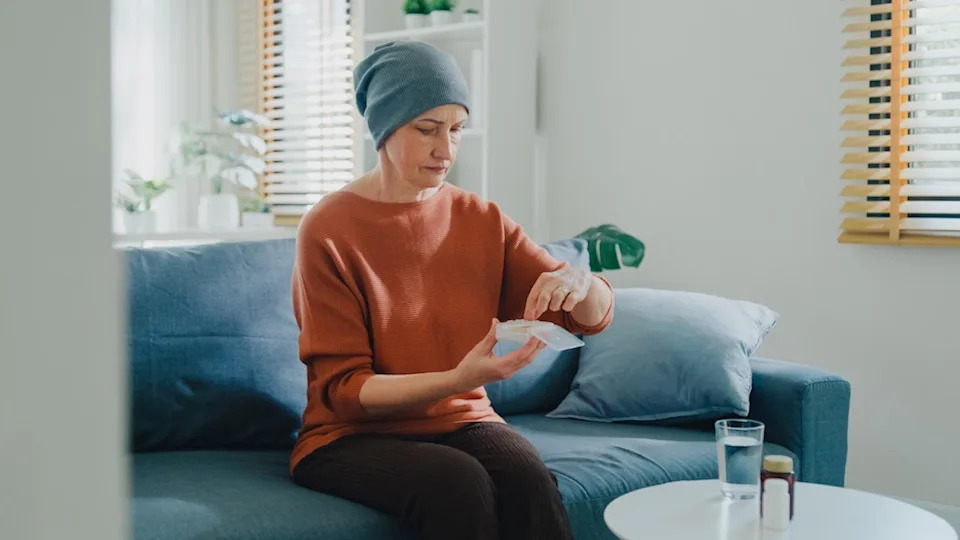
Experts cautioned that supplements can carry risks for some cancer patients.
The Tata Memorial Centre, which oversees ACTREC, issued a statement urging caution and stressing that the resveratrol-plus-copper tablet is not a substitute for proven cancer treatments. The American Cancer Society also warns that dietary supplements generally lack proven anti-cancer effects, can interfere with diagnostic tests, and may pose safety or interaction risks for people undergoing cancer care.
“The public should understand that ours is only a first step,” Dr. Mittra said. “They should not start self-medicating simply because these items are readily available.”
The authors call for larger, longer and rigorously controlled trials to determine whether the observed biological changes translate into meaningful clinical benefits and to assess long-term safety. Until such data exist, clinicians recommend that patients discuss any supplements with their oncology team.
Bottom line: The resveratrol–copper combination produced compelling short-term biological signals in a very small study of glioblastoma tissue, but it remains experimental. Patients should not self-medicate and should rely on established, evidence-based cancer treatments while waiting for further research.
Help us improve.