Ameilia Boodoosingh Gopie, 42, was diagnosed with Stage III triple‑positive breast cancer on Christmas Eve 2024 after an infected shaving cut led her to seek care and a doctor urged screening. Tests showed the cancer had spread to lymph nodes, and doctors recommended aggressive treatment: chemotherapy, a double mastectomy and radiation. Gopie endured severe side effects but used video diaries, letters to her daughter and family support to cope. She has since had reconstructive surgery and continues medication and hormone therapy while rebuilding a new normal.
Missed Checkups and an Infected Shave Cut: A New Mom’s Christmas Eve Stage III Breast Cancer Diagnosis
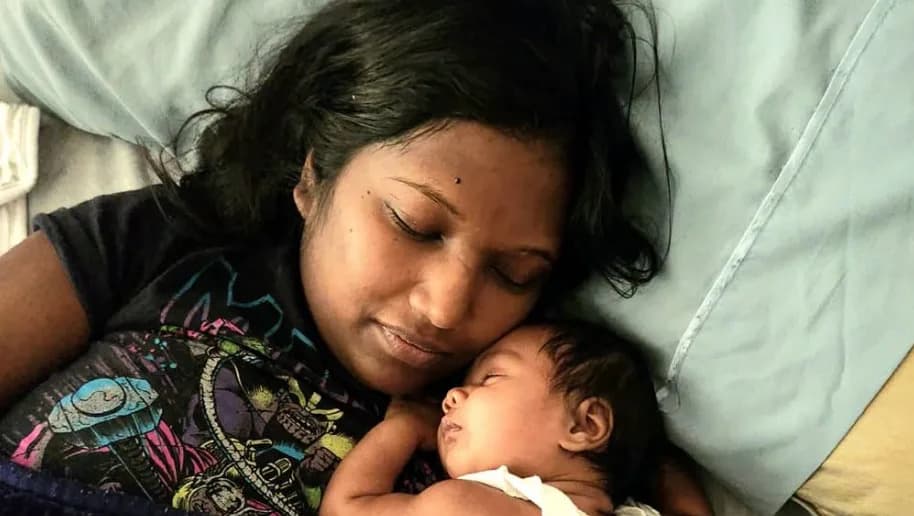
A new mom skipped a routine appointment. An infected cut led to a devastating diagnosis
Ameilia Boodoosingh Gopie, 42, did not expect the intense depression that followed the birth of her first daughter in August 2022. In the months after delivery, she struggled to get out of bed and could not spend time with her infant; her husband effectively acted as "a single dad for eight months." As a result, routine medical appointments were neglected.
Nearly a year later, Gopie began to feel better and resolved to make up for lost time. She traveled with her daughter to visit family in New York, Canada and Trinidad, and watched her child reach milestones such as walking and talking. Focused on "getting to love on my baby," she continued to postpone regular health checks.

Ameilia Boodoosingh Gopie and her daughter decorate for Christmas shortly before her diagnosis. / Credit: Ameilia Boodoosingh Gopie
In December 2024, an infected cut she sustained while shaving prompted a visit to her primary care doctor. During that appointment, her physician emphasized the importance of annual exams and noted that Gopie's dense breast tissue qualified her for earlier mammography. She scheduled a mammogram, which returned abnormal findings and led to further testing.
On Christmas Eve, Gopie received the diagnosis: Stage III breast cancer.
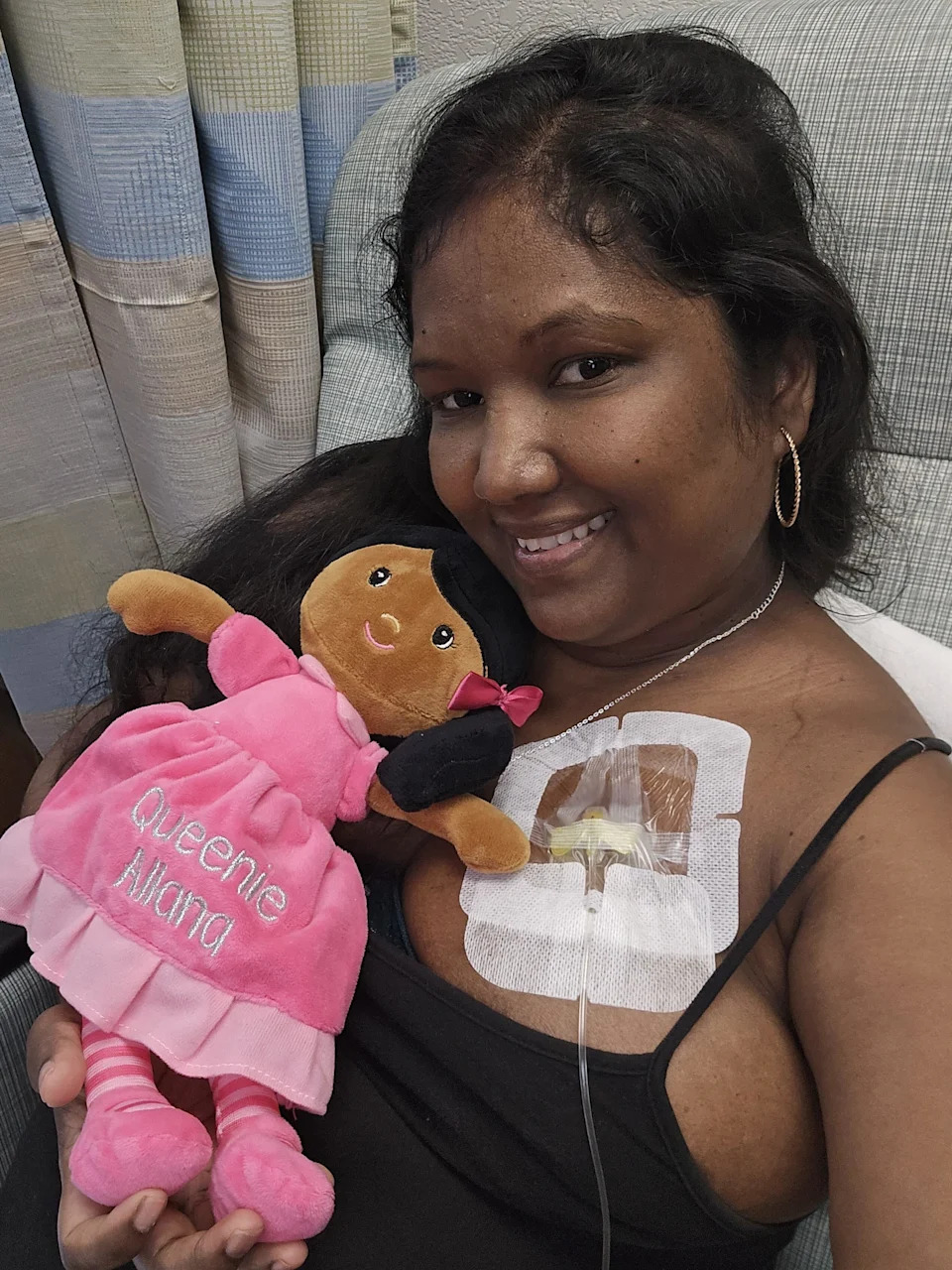
Ameilia Boodoosingh Gopie and her daughter's toy. / Credit: Ameilia Boodoosingh Gopie
"Just saying that C‑word ripped me and my husband to pieces," Gopie recalled. "I remember us both crying like two‑year‑olds. And my husband's holding my daughter. My daughter's like, 'It's OK, Dada. It's OK, Mama.' She didn't know any better, she was just trying to make her parents stop crying."
Diagnosis and Recommended Treatment
Subsequent testing identified Gopie's tumor as triple‑positive breast cancer, a subtype that accounts for roughly 10% of cases, according to the Cleveland Clinic. Triple‑positive tumors have hormone receptors and HER2 expression, which can make them more responsive to targeted therapies but also prone to aggressive behavior and later-stage presentation. Doctors also found that the disease had spread to her lymph nodes.
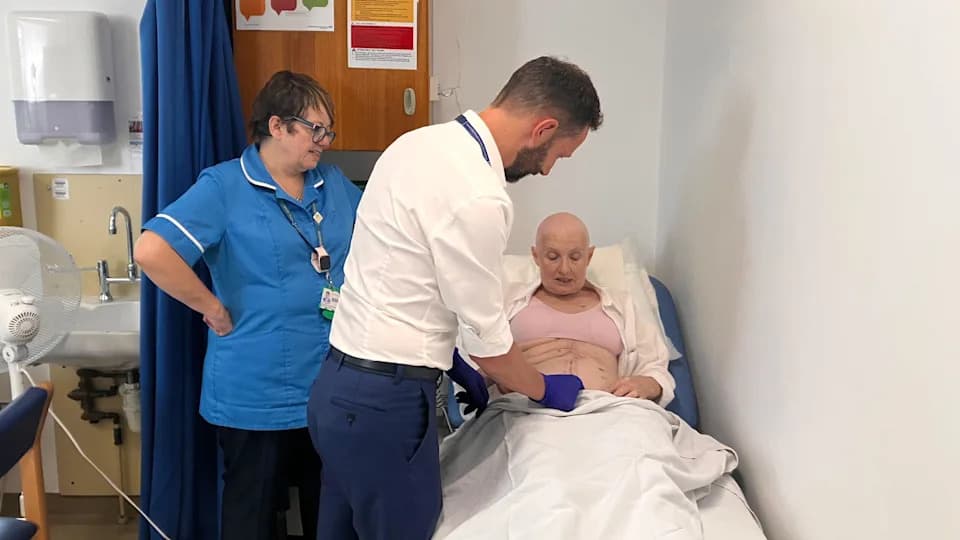
Her medical team recommended an aggressive treatment plan beginning with chemotherapy. Gopie experienced significant side effects — including pain, nausea, vomiting and ultimately hair loss — but the treatments were intended to shrink the tumor and treat systemic disease before surgery.
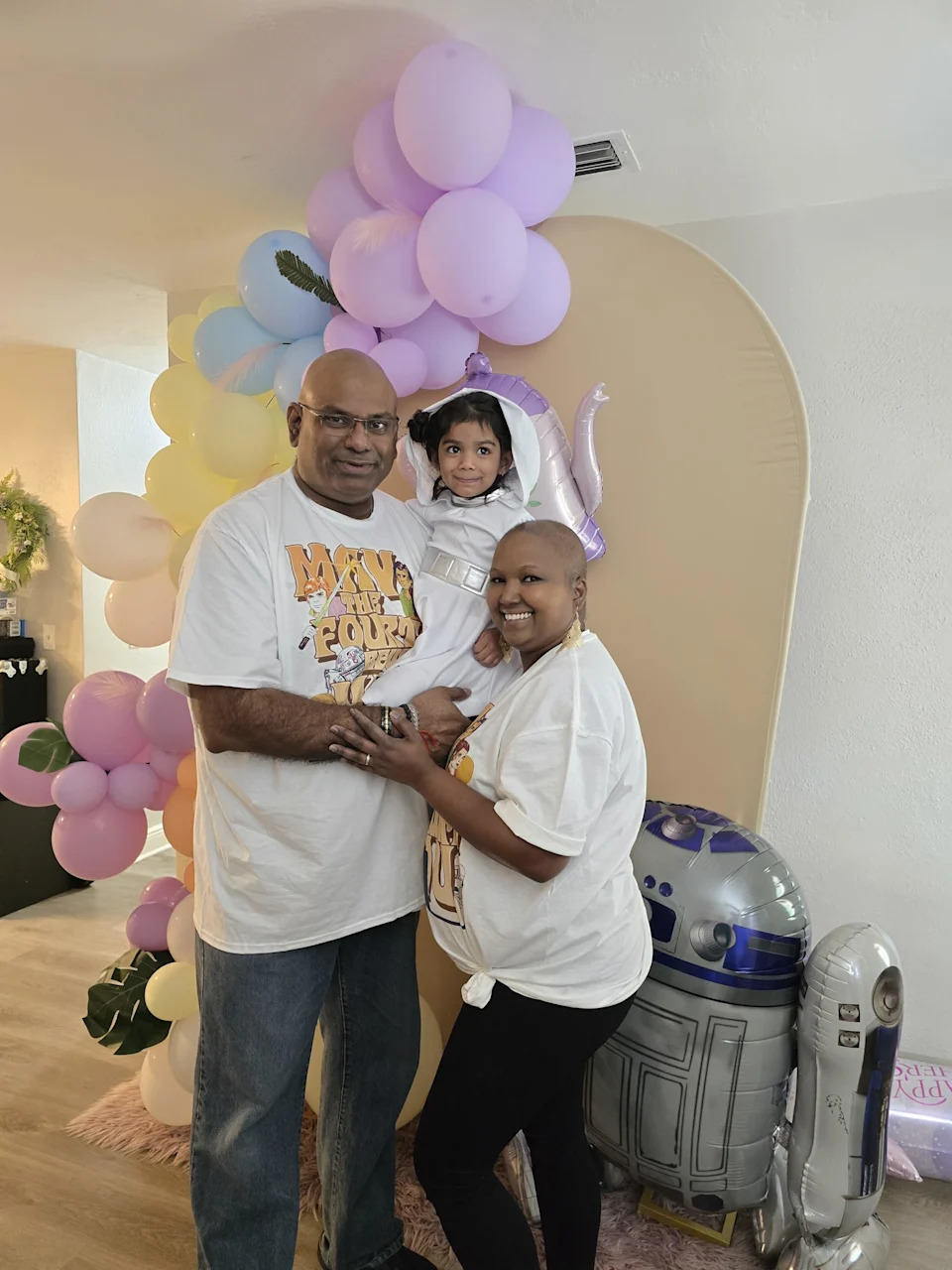
Ameilia Boodoosingh Gopie, her husband and her daughter. / Credit: Ameilia Boodoosingh Gopie
After initial chemotherapy, Gopie underwent a double mastectomy. Surgeons reported persistent cancer in the breast tissue and involvement in the armpit lymph nodes, which led to a course of radiation therapy. Radiation brought additional side effects such as severe headaches and a burning sensation on the skin, and later tests indicated further chemotherapy and ongoing systemic therapy were necessary.
Coping Strategies and Family Support
Balancing intensive treatment with parenting was difficult. Gopie said it was often hard to spend time with her daughter or keep up with work. When she felt too ill to play or read, she wrote letters to her child and planned activities for the days she felt better. Family support was central: her husband stepped in to care for their daughter and became her closest source of comfort.
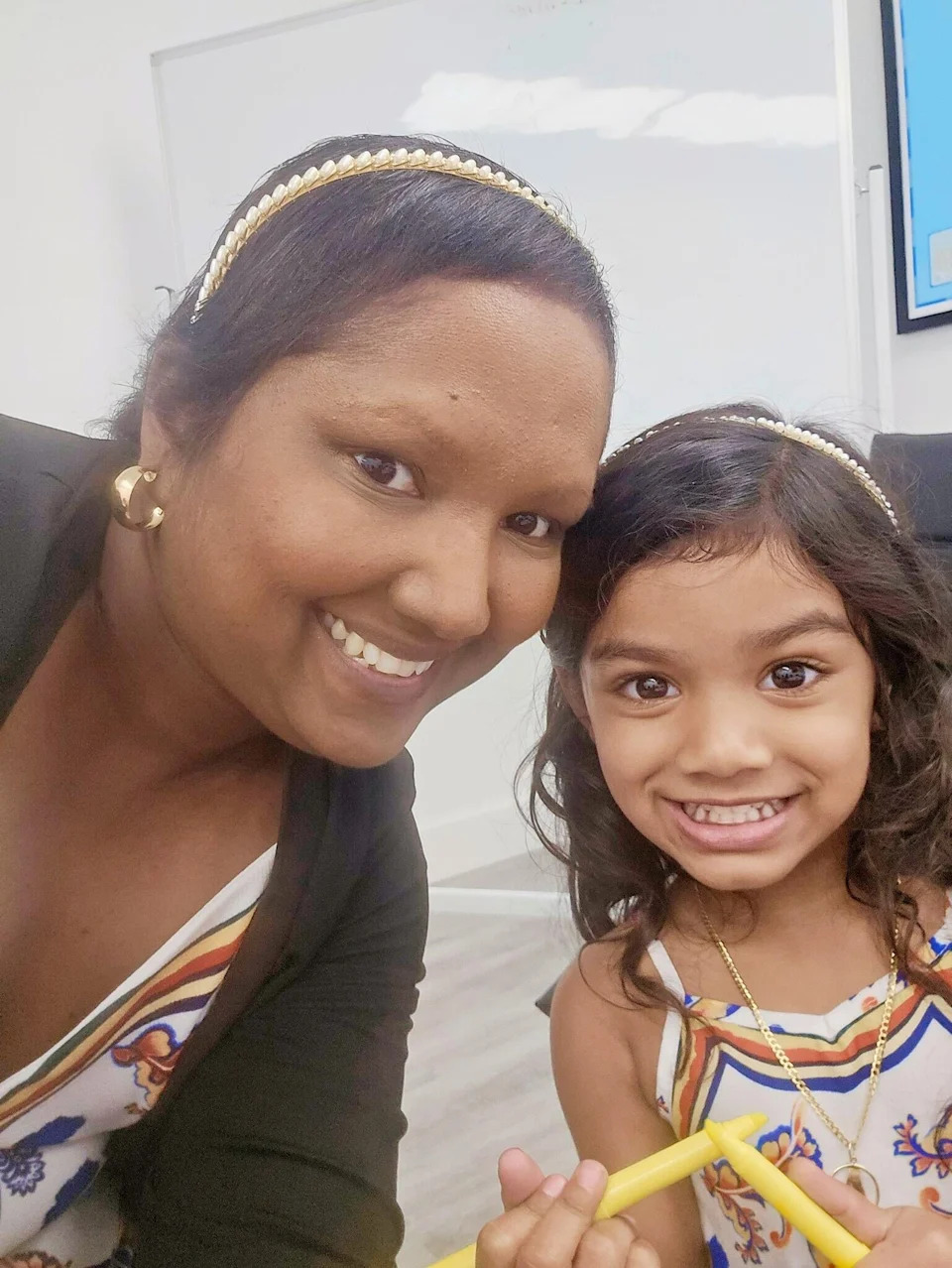
A recent photo of Ameilia Boodoosingh Gopie and her daughter. / Credit: Ameilia Boodoosingh Gopie
A surprising source of strength came in the form of a video diary. Before each treatment session, Gopie recorded short videos to express how she felt and what she hoped for that day. "I would tell that video how I felt, if I was happy, if I was sad, if I was nervous," she said. The recordings helped her process emotions and find moments of calm before chemotherapy.
Recovery and a New Normal
Although doctors described her status as still cautious — "in a limbo area" — they said the most intensive phases of treatment were past. Gopie completed additional therapies, underwent reconstructive surgery and continues daily medication and regular hormone‑therapy infusions. She is focused on recovery and making the most of time with her daughter.
Reflecting on life after treatment, Gopie said she is learning to be a "new Ameilia" — someone who copes with pain, fatigue and headaches, while also cherishing the small joys of motherhood. The postpartum depression that once sidelined her has not returned, and she strives to keep a positive outlook: "I want to enjoy every second with my baby. I want to sing with her and laugh at her and dance with her and write things to her and leave it all over the house."
What This Story Reminds Us
Gopie's experience highlights the importance of routine medical care — especially after childbirth when new mothers may be vulnerable to depression and may delay their own health needs. It also underscores the value of family support, personalized cancer care and the resilience many patients find during treatment.
Help us improve.