Will Smith joins toxicologist Bryan Fry and a team of researchers in Ecuador’s Tayos Cave to study a largely unexplored subterranean ecosystem dominated by giant tarantulas and other arthropods. The team collects specimens and extracts venom to search for novel molecules that could inspire new medicines. Because cave species evolve in isolation, they may harbor unique toxins of biomedical value, but habitat loss — especially to oilbird foraging grounds — threatens these fragile resources.
Will Smith Joins Scientists in Ecuador’s Tayos Cave to Collect Giant Tarantulas and Search for Drug-Bearing Venoms
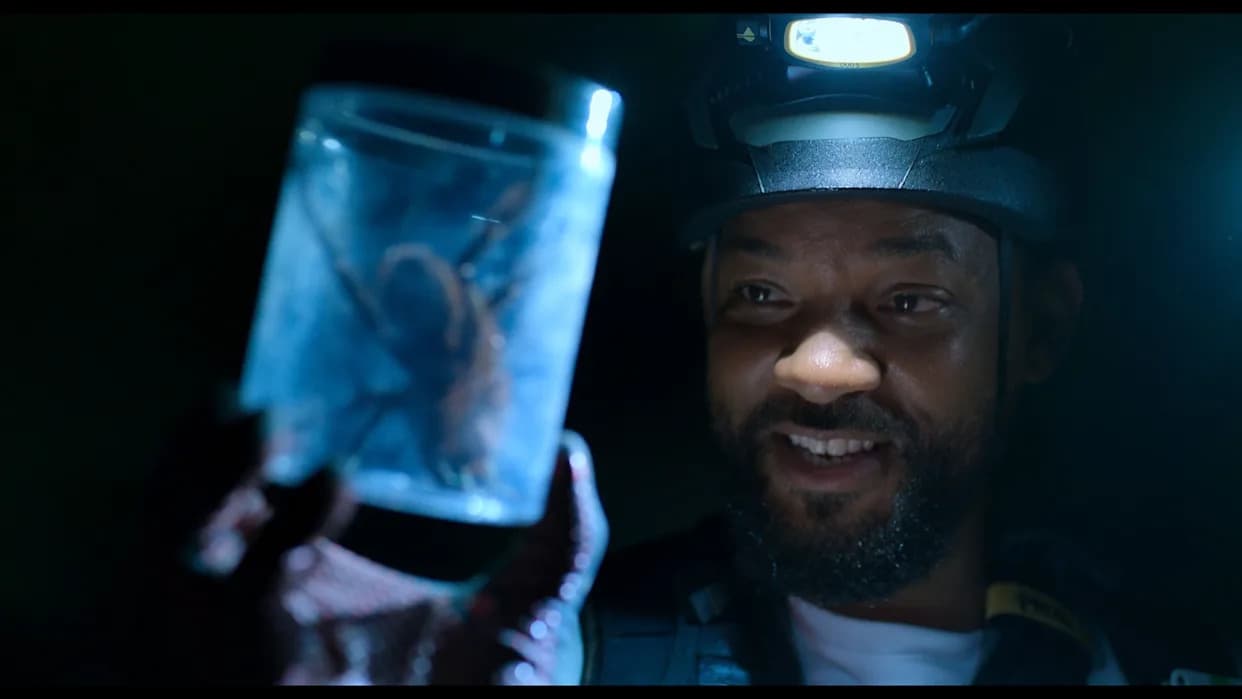
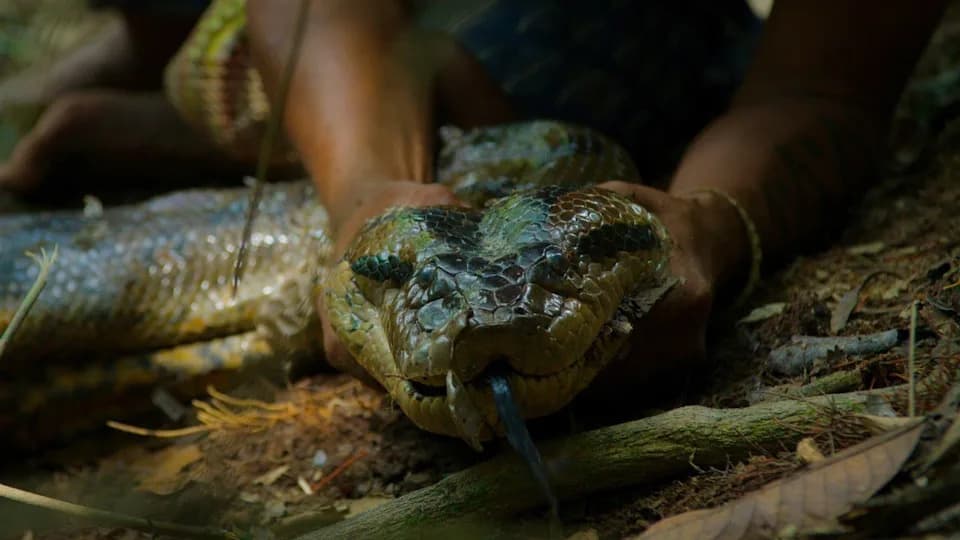
In episode 2 of Pole to Pole, Will Smith captures a tarantula in a cave in Ecuador in order to study it with scientists.National Geographic
Under the blazing high-Andes sun, a team of scientists, local guides and Will Smith make a slow, treacherous descent along a dirt track into the mouth of Tayos Cave. After a nearly 300-foot rope descent — about the height of a 20‑storey building — they enter absolute darkness to survey an isolated subterranean ecosystem teeming with arthropods: scorpions, centipedes and tarantulas the size of dinner plates.
Exploring a Hidden World
“It’s one of the most amazing ecosystems that I’ve ever encountered,” says Bryan Fry, a National Geographic Explorer and toxicologist at the University of Queensland in Brisbane, Australia. His expedition to Tayos Cave appears in an episode of National Geographic’s series Pole to Pole with Will Smith—premiering January 13 on National Geographic and streaming the following day on Disney+ and Hulu—where Fry and Smith investigate deep‑dwelling creepy‑crawlies and the chemistry of their venoms.
The team’s dual mission is taxonomic and biomedical: to document species that may be new to science and to analyze venoms for molecules that could inspire future medicines. Because Tayos Cave is accessible only through narrow fissures, its life is effectively isolated. “Any life in there is basically trapped,” Fry says, and the hazard and difficulty of access mean the system has been little studied outside Ecuador.
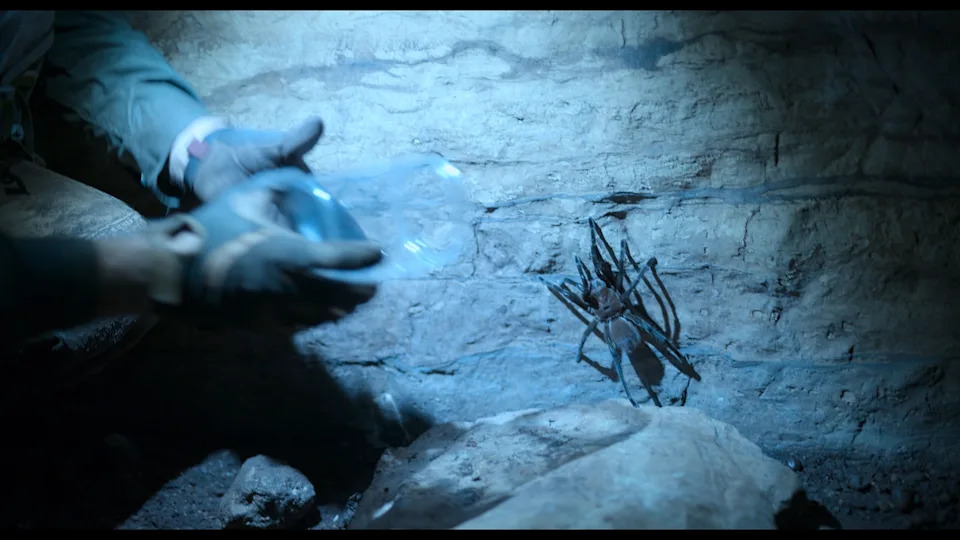
Will Smith works with scientists in the Tayos Cave in Ecuador to capture various creatures and study their venom.National Geographic
A Cave Sustained From Afar
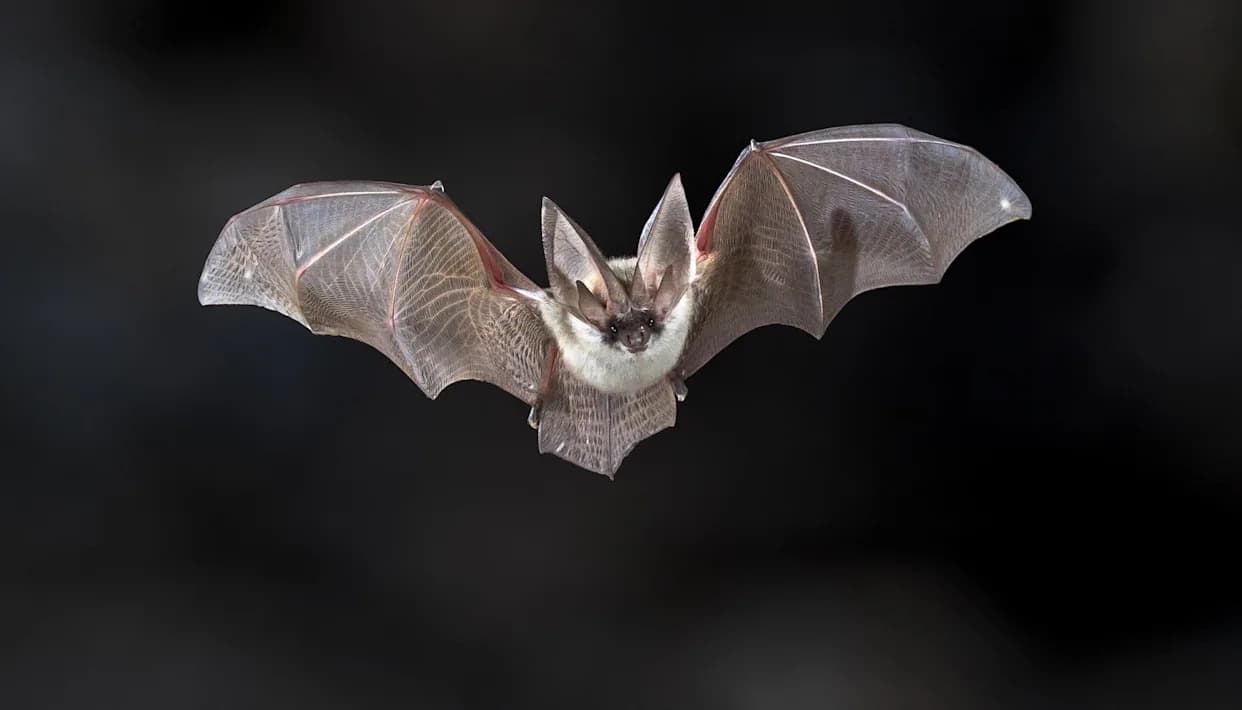
Deep inside, the group wades through knee‑ to mid‑thigh deposits of oilbird guano. South American oilbirds roost in Tayos and regularly fly out to forage for fruit, returning nutrients that sustain a rich arthropod community. Aside from oilbirds and a few bats, vertebrates are scarce; the cave is an "arthropod empire," Fry says, topped by enormous tarantulas.
Some invertebrates show dramatic changes from their surface relatives. Fry points out cockroaches that likely tumbled into the cave long ago and now measure roughly 3 inches. Because the cave is so poorly known, many finds could represent new species; the team later learned the expedition discovered at least six previously undescribed species.
Collecting Venom: Method and Purpose
In the pitch black, Fry and Smith sweep flashlight beams across the walls. When Fry finds a giant, brown, hairy tarantula, the researchers capture it, anesthetize it with carbon dioxide and collect venom by electrically stimulating the venom glands while gently compressing the muscles that expel venom. Beads of venom collect on a fang and are pipetted into a vial for biochemical analysis.
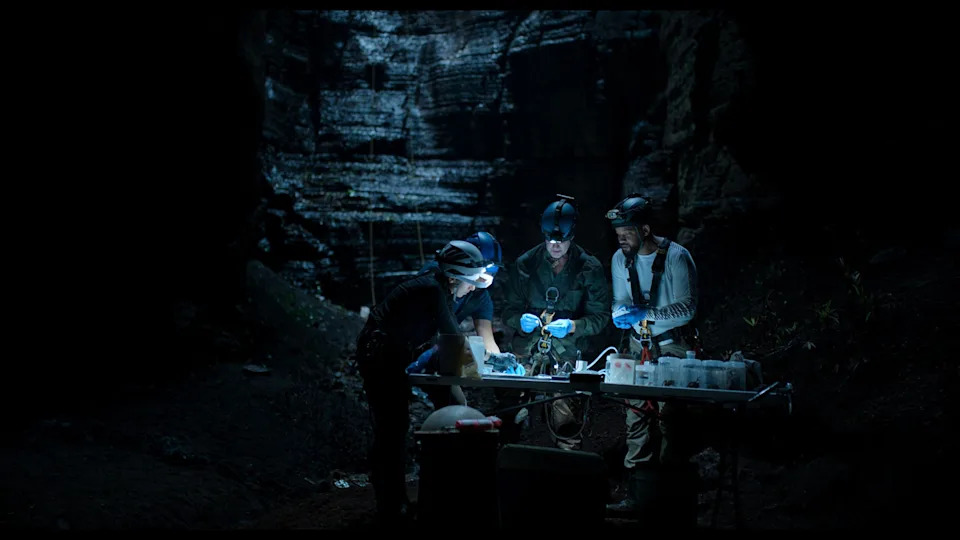
Bryan Fry, his scientists, and Will Smith in the Tayos Cave in Ecuador.National Geographic
Specimens are jarred for genetic work and comparison with known animals. Venom samples will be profiled to identify peptides and other molecules with potential pharmacological uses — a process Fry has repeated throughout his two‑decade career studying venoms and venomous animals.
From Childhood Fascination to High‑Risk Research
Fry traces his interest in toxins back to a serious childhood illness. “My first memory is actually being in the hospital from being torn apart by toxins,” he says, recalling spinal meningitis at age two, an episode that left him with hearing loss and a lifelong fascination with toxins. As a child he collected snakes, scorpions and spiders; as an adult his work has brought numerous risks — dozens of bites, many stitches and serious injuries — all in pursuit of biochemical discovery.
“If you want to find something novel, you need a novel animal,” Fry says. Researchers argue that the most promising new molecules will come from species in unusual, isolated habitats such as caves and islands.
Why Cave Venoms Matter
Venoms are complex biological cocktails evolved for prey capture and defense. Studying them has already yielded major drugs — for example, the blood‑pressure medicine captopril was derived from snake venom — and more recent discoveries from spider venoms have entered clinical trials as potential treatments for heart attacks. Because many small venomous animals have been overlooked, underexplored habitats like Tayos are promising sources of novel compounds.
Researchers warn there is a race to catalog these systems before habitat loss and extinction erase biochemical treasures. Although Tayos itself is physically isolated, it depends on oilbirds that forage across South America; loss of those forest habitats could collapse the nutrient flow that sustains the cave’s unique food web and jeopardize species that might hold drug leads.
“Even if people don’t like venomous animals,” Fry says, “they should want them to stay around.”
Help us improve.