
The Natural History Museum-led AMISTAD project used genetic analysis of historical specimens to identify nine new species in the Neotropical butterfly genus Thereus. Researchers analyzed more than 1,000 museum specimens and even recovered DNA from a butterfly leg over 100 years old to reveal distinctions between visually similar specimens. Published in Zootaxa, the findings refine taxonomy, inform conservation priorities for threatened habitats, and underscore the scientific importance of museum collections.
Nine New Butterfly Species Revealed in Century-Old Museum Specimens

'Rose's polyommatus' at Lake Van Basin on June 23, 2024 in Van, Turkey. The Lake Van Basin, home to many creatures with its climate, rich flora, high altitude and unique nature, harbors hundreds of butterfly species.
Most people picture butterflies as unmistakable insects with vivid, patterned wings, yet some species are astonishingly hard to tell apart. By combining museum collections with modern DNA techniques, researchers have resolved long-standing taxonomic puzzles and uncovered previously hidden diversity.
What the Study Found
An international team working under the AMISTAD project, led by London’s Natural History Museum, analyzed more than 1,000 butterfly specimens from collections worldwide and identified nine previously unrecognized species in the genus Thereus, a group of gossamer-winged butterflies native to the Neotropics. The researchers prioritized species that appear vulnerable, as South America’s tropical forests face rapid deforestation.
'Thanks to the genetic revolution and collaboration between researchers and museums, century-old butterflies are now speaking to us,' said Christophe Faynel, an entomologist at the Société entomologique Antilles Guyane. 'Comparing modern DNA with ancient DNA from historical specimens lets us resolve species that were long confused or overlooked.'
Historic DNA, Modern Methods
The team successfully recovered DNA from a butterfly leg more than a century old using state-of-the-art sequencing techniques. That century-old genetic material enabled scientists to detect subtle physical differences between specimens that looked virtually identical to the eye. Genetic tests confirmed distinctions that had been hidden in plain sight.
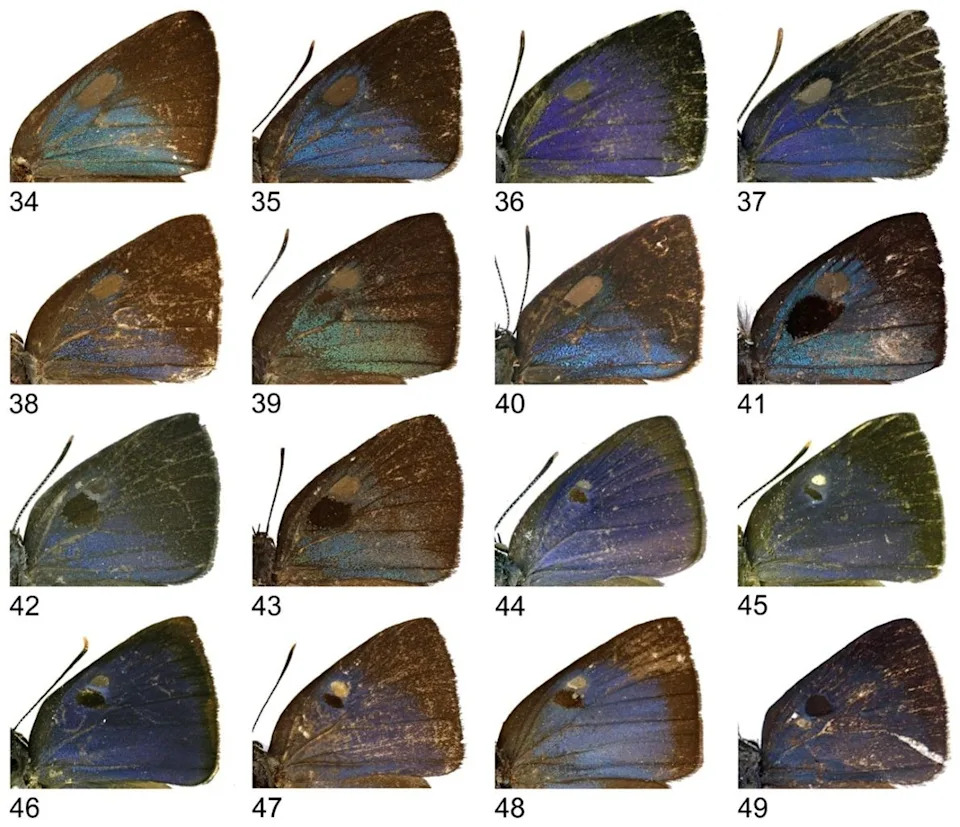
Plate illustrating the forewing androconia of 16 male butterflies in theThereusgenena species group, revealing distinctive scent-scale patterns used to differentiate the species.Image: Zootaxa
Researchers concentrated on the 'genena' species group within the subfamily Theclinae, a cluster previously thought to include only five species. The new analysis expands our understanding of relationships among closely related taxa, refines taxonomy, and helps target conservation efforts toward populations that may be at risk.
'Some newly identified species were collected a century ago in habitats that might no longer exist, putting the existence of these species at risk and underscoring the urgency of this work,' said Blanca Huertas, Principal Curator of Butterflies at the Natural History Museum and a co-author of the study published in Zootaxa.
Names and Significance
The researchers have named several of the newly recognized species, including Thereus cacao, Thereus ramirezi and Thereus confusus, drawing inspiration from regions, local collaborators, and the taxonomic puzzles they resolved.
The Value of Collections
Beyond the discoveries themselves, the study highlights the enduring scientific value of natural history collections. The Natural History Museum houses roughly five million butterfly specimens—about 6% of its overall holdings—with some specimens dating back to the 1600s. Those archives provide an irreplaceable record of life on Earth and allow scientists to study species that may no longer exist in the wild or that are now threatened.


