Virtual REU programs piloted at Purdue (Aug 2021–Aug 2024) produced comparable or better learning outcomes while costing far less. Participants reported stronger gains in research skills, benefited from more frequent mentoring (weekly over 16–32 weeks versus ~10 meetings in a 10‑week in‑person REU) and had more time for literature review and writing. Virtual formats also broaden access for students who cannot relocate, though they reduce hands‑on lab experience and some in‑person networking.
Virtual NSF REU Internships: A Cost‑Effective Way To Broaden STEM Access
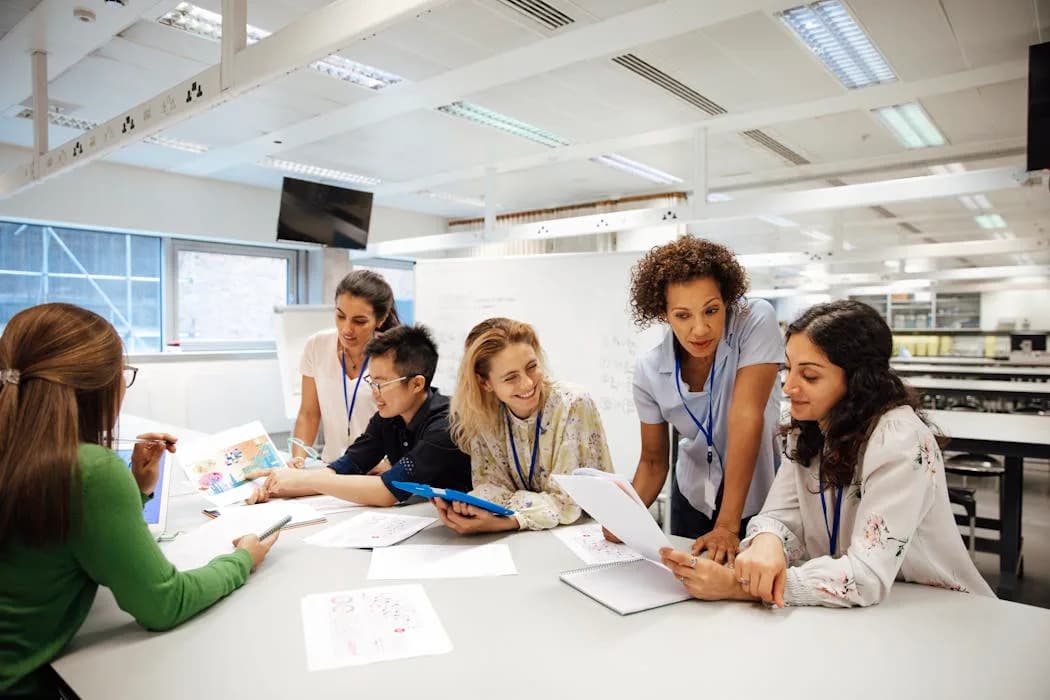
Shifts to remote learning during the pandemic showed that there are some benefits for science students undertaking internships.SolStock/Getty Images
Many engineering and science undergraduates face January deadlines for prestigious summer internships, study-abroad programs and competitive opportunities such as the National Science Foundation’s Research Experience for Undergraduates (REU) — a paid, specialized summer research internship.
About 6,000 U.S. undergraduates participate in REU programs each year. Securing an REU can provide hands-on research experience, boost confidence and clarify what graduate study and research careers demand. Even for students who ultimately opt out of graduate school, REUs open doors to a wide range of STEM careers.
What Changed During the Pandemic
During the COVID-19 pandemic, many universities converted REUs to online formats. Students conducted research from home and met mentors remotely. Unexpectedly, some virtual programs reduced costs while producing equal or better learning outcomes in certain areas.
Evidence From a Purdue Pilot
At Purdue University, where I work as a researcher and professor of innovation, we piloted one virtual REU and ran two in-person programs between August 2021 and August 2024. Fourteen students participated in the virtual REU across one or two semesters. Our assessment found that the virtual model delivered comparable — and in some measures superior — learning outcomes at a fraction of the cost.
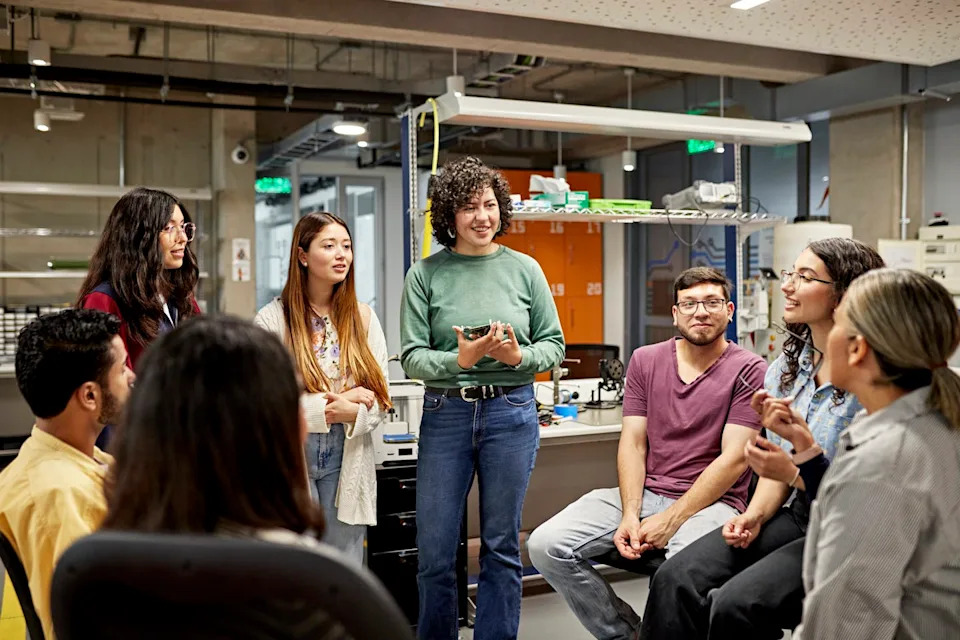
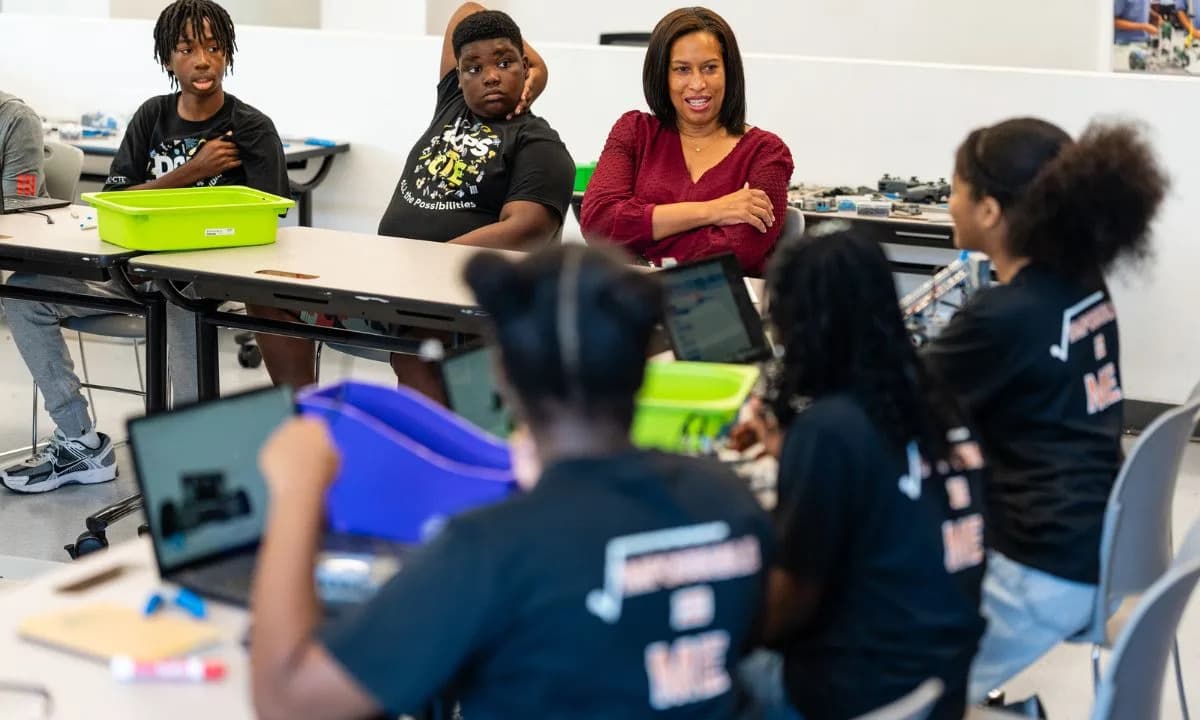
Virtual research opportunities can allow students to form deeper connections with their work and advisers.xavierarnau/iStock/Getty Images
Key Factors Behind Virtual Success
More Frequent Mentoring: Virtual students met with faculty mentors far more often than in typical summer programs. Whereas in-person summer REU students often met their mentors about 10 times over 10 weeks, virtual participants met weekly across 16–32 weeks, in some cases tripling the number of check-ins. Those regular meetings helped students stay on track and dig deeper into project challenges.
Focus On Graduate‑Ready Skills: With less time required in physical labs, virtual students spent more time on activities that prepare them for graduate study and research careers: reviewing scholarly literature, writing up results, coding and thinking through complex problems.
Extended, Part‑Time Structure: The longer, part‑time format let students absorb new material, reflect and synthesize ideas instead of compressing everything into a 10‑week sprint — a marathon rather than a sprint.
Increased Access: The online format made it feasible to include students who could not relocate for the summer because of family, work or financial constraints. In our pilot we served 14 online students compared with 10 who had previously participated in the lab during summer.

Roughly 6,000 American undergraduates take part in the National Science Foundation’s Research Experience for Undergraduates internships each summer.andresr/iStock/Getty Images
Costs And Scale
The National Science Foundation recommends budgeting about US$1,550 per student per week for summer REUs; roughly $600 of that goes to the student as a stipend, while the remainder covers housing, meals and travel. Because virtual programs eliminate many of those overhead costs, the same funding can support more students for longer periods. For example, for the cost of two in-person summer placements a program could support five students across a two-semester virtual REU or about 10 students in a one-semester online model.
Tradeoffs And Limitations
Virtual REUs are not a full substitute for in-person lab experience. Remote participants may miss out on hands-on techniques, serendipitous hallway conversations and the strongest forms of peer and mentor bonding. Not every student thrives in a remote environment; some need in-person supervision and social immersion to succeed.
Policy Implications
As the NSF and other research funders confront potential budget pressures, virtual REUs present a validated, cost-effective strategy to extend undergraduate research to more students. They are not merely a pandemic-era workaround — when well designed, they expand access, increase mentoring frequency, emphasize the graduate-ready skills that matter and stretch public dollars further.
Author: Lisa Bosman, Purdue University. Disclosure: Lisa Bosman receives funding from the National Science Foundation.
Help us improve.