After the reported capture of Venezuelan President Nicolás Maduro, Bill O'Reilly told Leland Vittert that Venezuelan oil is not essential to U.S. needs. President Trump said U.S. energy companies would invest billions to repair Venezuela's oil infrastructure. O'Reilly argued the narcoterrorism designation tied to the Cártel de los Soles provided a legal basis for U.S. action and predicted a temporary, likely military-led, government before elections. He also criticized Democratic opposition to the operation.
Bill O'Reilly Says Venezuelan Oil 'Doesn't Matter' to U.S. After Maduro's Capture

Venezuelan oil ‘doesn’t matter’ to US: Bill O’Reilly
Bill O'Reilly told Leland Vittert on Monday that Venezuelan oil is not vital to the United States following the reported capture of Venezuelan President Nicolás Maduro during a military operation on Saturday.
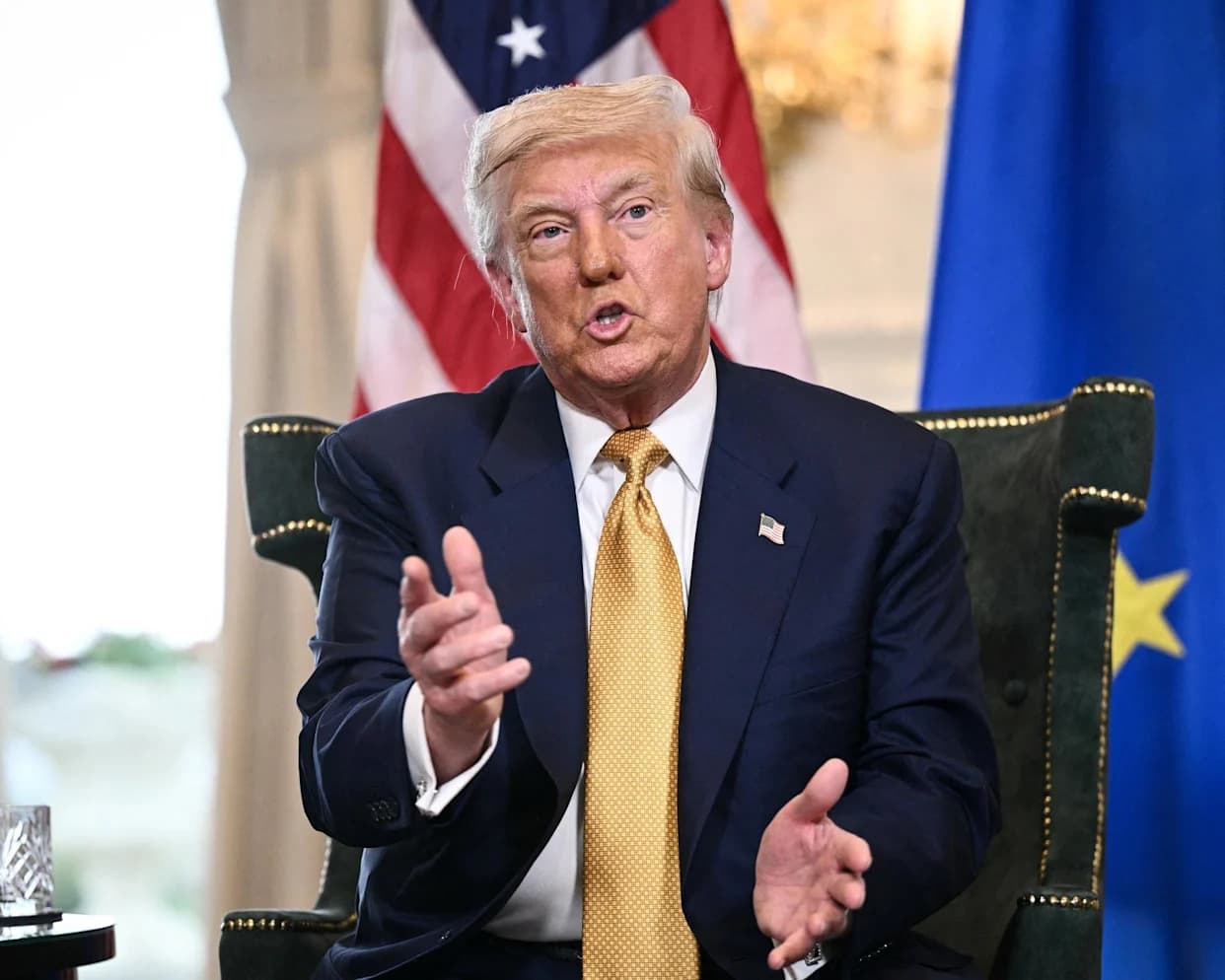
After the operation, President Donald Trump declared that Venezuela's oil resources were effectively under U.S. control and described plans for American energy firms to invest in and repair the country's damaged petroleum infrastructure.
“We are going to have our very large United States oil companies, the biggest anywhere in the world, go in, spend billions of dollars, fix the badly broken infrastructure, the oil infrastructure, and start making money for the country,” Trump said.
On Monday's On Balance, O'Reilly dismissed the strategic importance of Venezuelan crude for the United States.
“All I can tell you is, the oil doesn’t matter. Venezuelan oil doesn’t matter (to) the United States. We don’t need it,” O'Reilly said.
O'Reilly argued the main U.S. rationale for removing Maduro was the administration's narcoterrorism designation tied to the Cártel de los Soles, which he said had provided Maduro with large sums of money. He said that designation gave the Trump administration a legal basis to use military force against individuals and groups associated with the cartel.
“The only justification, as far as the American public is concerned, to get rid of Maduro is the narcoterrorism designation of the group that he took massive amounts of money from, the Cártel de los Soles,” O'Reilly said. “Once that happened, then President Trump had a legal authority to use military action against anybody associated with that cartel.”
O'Reilly also predicted that a provisional government—likely dominated by military figures—would be installed to oversee Venezuela until new elections can be organized.
He criticized Democratic lawmakers who opposed the operation, asking how they would handle what he describes as a decades-long drug-cartel threat to the United States.
These comments reflect one pundit's view on a complex geopolitical development that involves legal, humanitarian, and energy-policy dimensions. Observers note that any U.S. involvement in Venezuela's oil sector would raise legal, logistical, and diplomatic challenges, as well as questions about Venezuelan sovereignty and international law.
Help us improve.