
NOAA warns a fast stream of solar wind could push aurora activity into view across parts of the U.S. tonight, with the strongest window between 4 p.m. and 10 p.m. local time. Geomagnetic activity may reach minor (G1) storm levels, raising the likelihood of visible northern lights in dark, clear-sky areas. Ten states — including Alaska, Washington and Minnesota — lie in the forecast zone, and the same solar wind is expected to persist through Dec. 24, offering multiple viewing opportunities.
How to See the Northern Lights Tonight: Where Auroras May Be Visible in 10 U.S. States

GettyNorthern Lights (stock photo)
The northern lights may be visible across parts of the United States tonight as a fast stream of solar wind raises the chance of colorful auroras after dark.
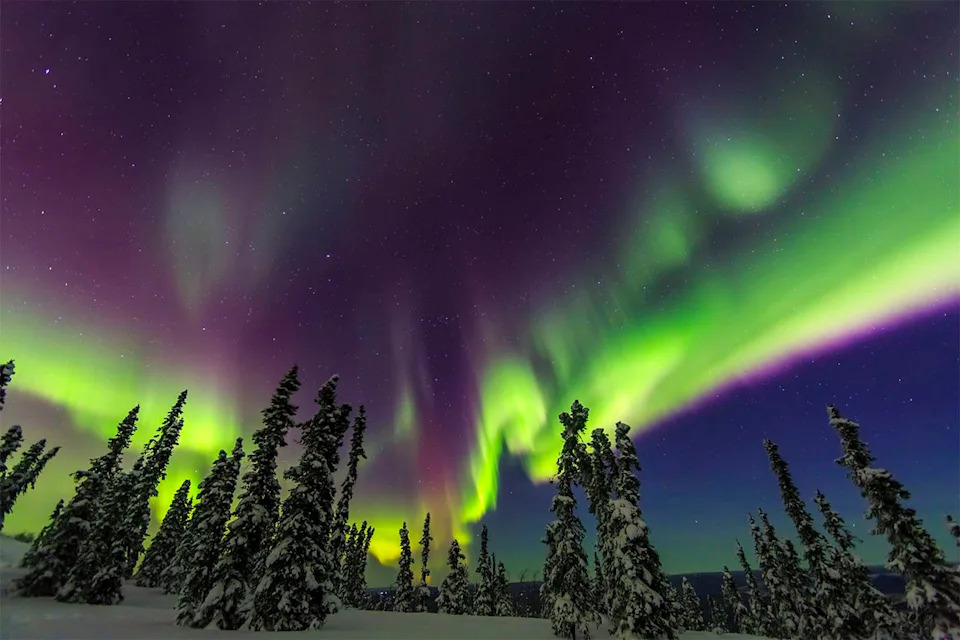
Gallo Images ROOTS Collection/GettyAurora borealis display near Fairbanks, Alaska
What’s happening: The NOAA Space Weather Prediction Center reports Earth is being brushed by fast-moving solar wind emerging from an Earth-facing coronal hole on the Sun. That stream could push geomagnetic activity to minor (G1) storm levels overnight — often enough to extend auroral visibility farther south than usual.
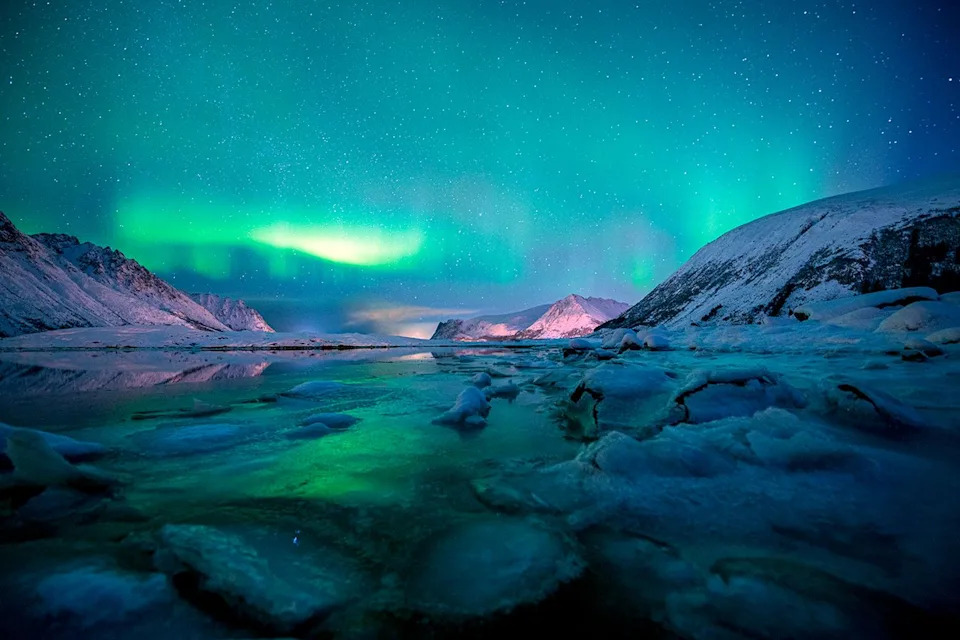
GettyThe northern lights above Norway
When To Watch
NOAA’s short-term outlook identifies the strongest viewing window between 4 p.m. and 10 p.m. local time, though auroras can appear any time after darkness falls if skies are clear. Forecasters expect the same solar wind stream to influence Earth through Wednesday, Dec. 24, offering multiple chances to see the lights during the holiday week.
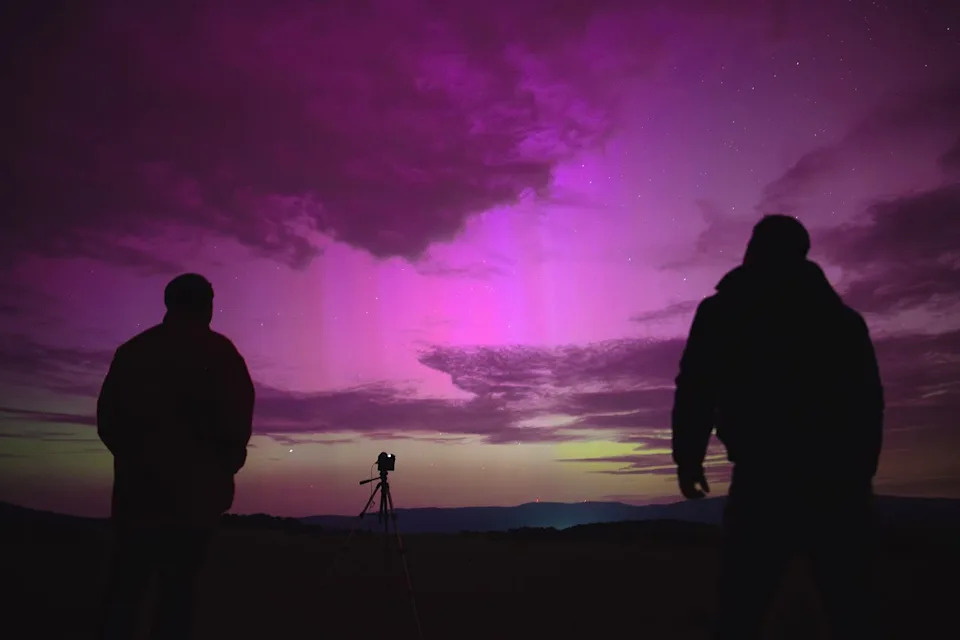
Robert Nemeti/Anadolu via GettyNorthern lights (Aurora Borealis)
Where You Might See Them Tonight
Based on NOAA’s latest aurora forecast map, these U.S. states are fully or partially within the potential viewing zone tonight:
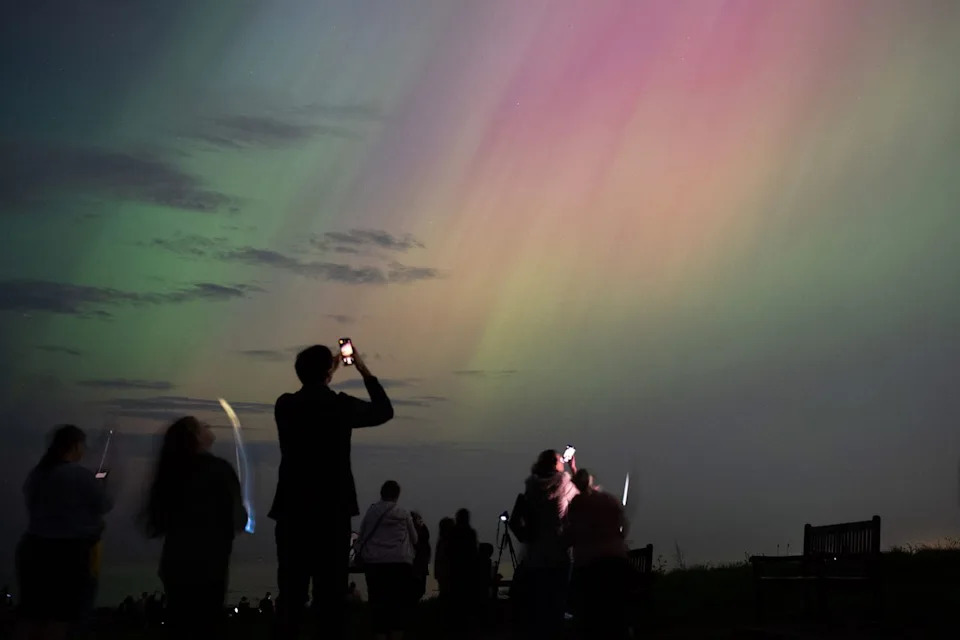
Ian Forsyth/GettyPeople visit St Mary's lighthouse
- Alaska
- Washington
- North Dakota
- Minnesota
- Montana
- Maine
- Michigan
- Wisconsin
- South Dakota
- Idaho
If geomagnetic activity intensifies or skies are exceptionally clear, the aurora could reach farther south. If conditions remain weak or skies are cloudy, visible displays may be limited to darker northern areas.
How To Improve Your Chances
- Find a north-facing spot with a clear view of the horizon and as little light pollution as possible.
- Allow your eyes to adapt to the dark for at least 20–30 minutes.
- Use your smartphone camera (Night Mode or a long-exposure setting) to scan the sky — phone sensors often pick up faint auroras before your eyes do.
- Dress warmly, bring a thermos, and be prepared to wait: auroras can appear suddenly and be intermittent.
Final Notes
Minor (G1) geomagnetic storms do not guarantee a breathtaking show, but they do increase the odds — especially for observers in dark, clear locations. Keep an eye on updates from the NOAA Space Weather Prediction Center over the next few nights for changes in geomagnetic activity and visibility.


