San Francisco Mayor Daniel Lurie signed an ordinance creating a legal framework for a Reparations Fund that could, in theory, allow one-time payments of up to $5 million to eligible Black residents. The ordinance establishes structure and references a 2023 advisory report, but it does not allocate city funds or promise payouts. Any taxpayer-funded disbursements would require separate legislation, an identified funding source and mayoral approval. The AARAC report also recommended broader measures, including an Office of Reparations, housing supports and guaranteed income.
San Francisco Signs Reparations Fund Framework — Could Theoretically Allow $5M Per Eligible Resident
San Francisco mayor quietly signs reparations fund that could lead to $5M payments per person
San Francisco Mayor Daniel Lurie quietly signed an ordinance establishing a legal framework for a new "Reparations Fund" that could, in theory, permit one-time payments of up to $5 million to each eligible Black resident as a remedy for alleged historic discrimination and displacement.
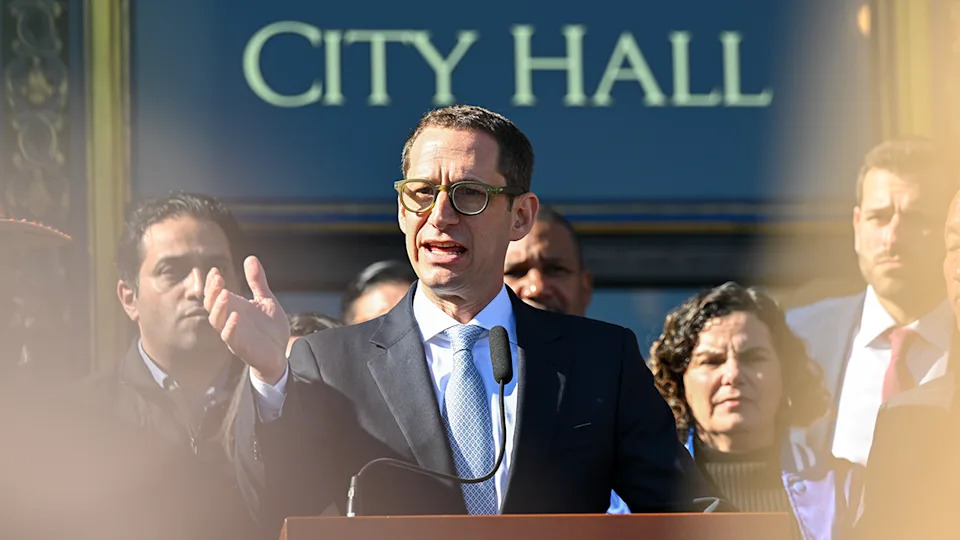
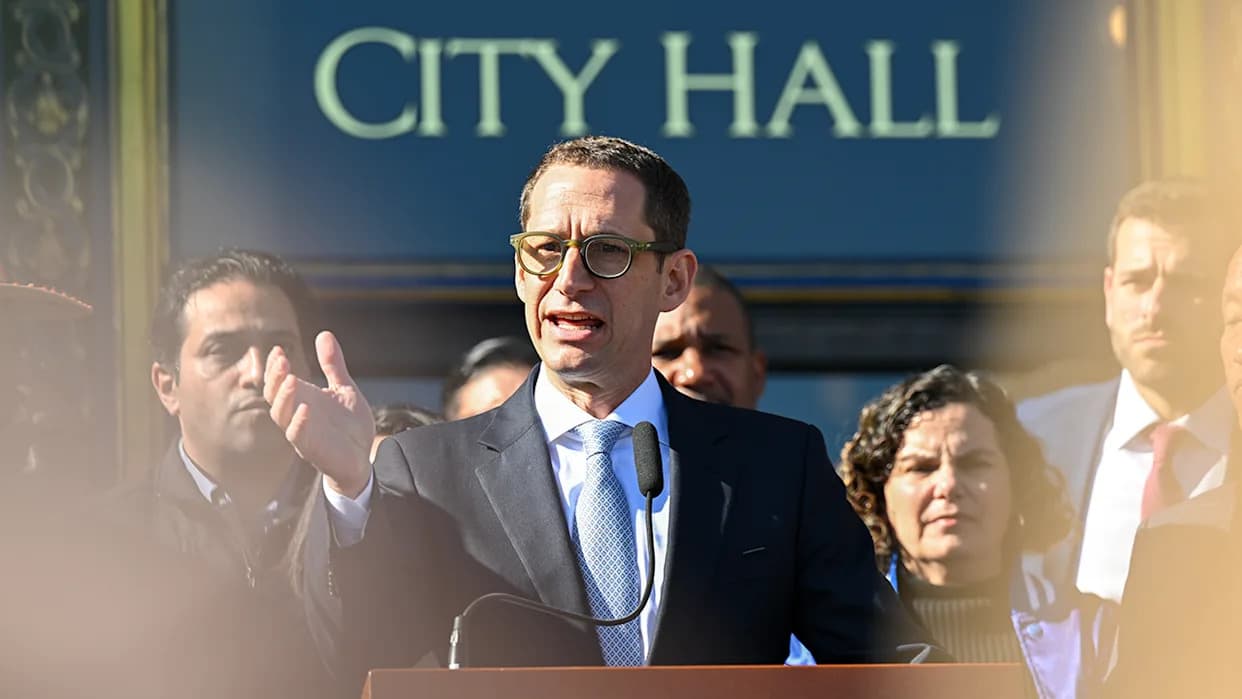
Mayor Daniel Lurie speaks on steps of City Hall in San Francisco, California earlier this year. The ordinance was signed by Lurie two days before Christmas without any public announcement from the mayor.
What the Ordinance Does
The measure, approved earlier this month by the Board of Supervisors and signed two days before Christmas, creates the legal structure for a Reparations Fund. It authorizes the city to accept contributions and to establish processes and agencies to administer reparations-related programs.

San Francisco's City Hall in California.
What the Ordinance Does Not Do
The ordinance does not appropriate city funds or guarantee any payments. Any use of taxpayer money for reparations would require separate legislation, a clearly identified funding source and the mayor's approval. Mayor Lurie has said he will not put city tax dollars into the fund given San Francisco's current fiscal constraints.

Historic Victorian-style homes, some of which were once owned by Black residents, stand in front of the San Francisco skyline, with the City Hall rotunda visible.
'I was elected to drive San Francisco’s recovery, and that’s what I’m focused on every day,' Lurie said in a statement to Fox News Digital. 'We are not allocating money to this fund — with a historic $1 billion budget deficit, we are going to spend our money on making the city safer and cleaner.'
Background: The AARAC Report
The ordinance cites a nonbinding 2023 policy report from the San Francisco African American Reparations Advisory Committee (AARAC), a city-appointed advisory group. AARAC documented decades of what it described as municipal residential displacement and racial discrimination, especially during the urban renewal era from roughly the mid-1940s through the 1970s, and recommended a suite of remedies.
- One of AARAC's headline recommendations was a one-time lump-sum payment of $5 million to each eligible person.
- The committee also recommended establishing an Office of Reparations, a guaranteed annual income indexed to area median income, major housing interventions (rental assistance, homeownership support, targeted property acquisition), and substantial investments in Black-owned businesses and community infrastructure.
Scope, Numbers and Next Steps
The advisory report referenced roughly 46,000 Black residents in San Francisco based on U.S. Census figures. Because the AARAC report is advisory and the ordinance does not allocate funds, the $5 million figure remains a theoretical proposal unless and until funding sources are identified and lawmakers approve disbursements.
At the state level, California lawmakers have considered reparations measures but have not enacted specific statewide payouts. Municipal initiatives in other cities and regions — including programs to support descendants of historical injustices — illustrate a broader national conversation about restitution and economic remedies.
Bottom line: The signed ordinance establishes a legal mechanism and recognizes advisory recommendations, but it does not commit city funds or guarantee that individuals will receive the $5 million payments proposed by the advisory committee.
Help us improve.