The Maryland Lynching Truth and Reconciliation Commission pushed back after Gov. Wes Moore vetoed legislation to create a separate reparations commission, arguing their report already recommends immediate remedies. The commission’s final report documents 38 state‑complicit lynchings, offers 84 recommendations across nine categories, and proposes $100,000 payments to verified descendants. Lawmakers overrode the veto to create a 23‑member reparations panel, while commission members say many nonmonetary reforms can be implemented now.
Maryland Lynching Commission Rebukes Gov. Wes Moore, Urges Reparations After Landmark Report

The Maryland Lynching Truth and Reconciliation Commission released its final report last month after being established in 2019.
The Maryland Lynching Truth and Reconciliation Commission pushed back against Gov. Wes Moore after he vetoed legislation to create a separate reparations commission, arguing that the commission’s own findings and recommendations already point to immediate, actionable remedies.
Established in 2019, the state commission released its final report last month, describing the effort as the first state-sponsored investigation into racial-terror lynchings within Maryland’s borders. The panel concluded that state officials and institutions were complicit in 38 post–Civil War lynchings and that perpetrators were never held accountable. The report includes 84 recommendations across nine categories, from apologies and symbolic reparations to criminal-justice reform, community healing, mental-health services, education, media, and implementation strategies.
Monetary and Nonmonetary Remedies

Among 84 recommendations, the Maryland Lynching Truth and Reconciliation Commission proposed that state leaders atone for the past through cash payments. The commission recommended that $100,000 per person be issued to descendants of lynching victims after a state-sponsored lynchings study.
Among the recommendations is a proposal to issue $100,000 to each verified descendant of a documented lynching victim. Commission members emphasized, however, that reparations extend beyond cash payments: they include public education, healing initiatives, policy reforms, and symbolic atonement that may require little or no new funding but carry meaningful impact.
Reaction to the Governor
Gov. Moore vetoed the bill establishing the Maryland Reparations Commission, saying in a letter that the state needs immediate action rather than "another study" and calling the choice "a difficult decision." In an interview on "The Breakfast Club," Moore described himself as "a person of action" and questioned the value of an additional two-year study given prior investigations.
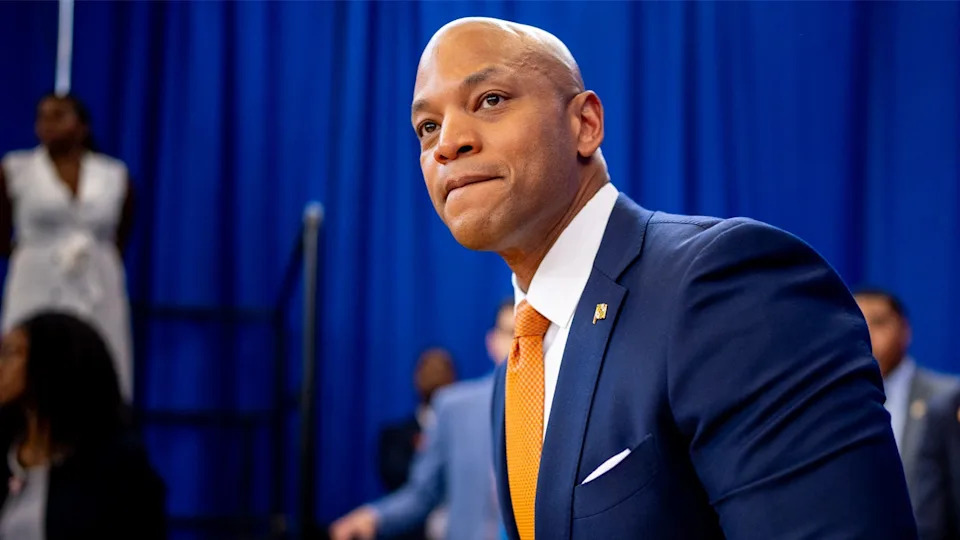
Maryland Gov. Wes Moore vetoed an effort to establish the Maryland Reparations Commission. His reasoning for vetoing the commission stemmed from a need for immediate action. The governor penned a letter stating that it was a "difficult decision" and also that "now is not the time for another study."
"I mean, we're doing it," commission member Nicholas M. Creary told Fox News Digital, noting plans to translate the commission’s findings into draft legislation to be introduced this session. "If it goes according to plan, we're going to be getting draft legislation introduced into session this year."
State lawmakers later overrode the governor’s veto. The legislature’s measure establishes a 23-member Maryland Reparations Commission to assess local, state, and federal policies dating from Reconstruction through the Jim Crow era and to recommend a range of reparative measures from monetary compensation to formal apologies.
Commission member Charles Chavis said the lynching commission’s work directly supports the immediate reforms Gov. Moore advocates, pointing to persistent problems such as homelessness on Maryland’s Eastern Shore as issues tied to historical racial terror and violence that remain unaddressed. David Fakunle, another commission member, emphasized that educating the public about Maryland’s history and implementing many recommended reforms need not be costly and should not be reduced to monetary compensation alone.
The commission also signaled an intent to move from documentation to action: members said they expect some recommendations to inform near-term policy and legislation while the broader reparations commission begins its work. Moore’s office did not immediately respond to a request for comment.
Help us improve.