Governor Gavin Newsom and Mayor Karen Bass avoided public memorials on the Jan. 7 wildfire anniversary, instead meeting privately with survivors and community leaders. Their absence highlighted political risk as survivors demanded accountability for early suppression failures that contributed to catastrophic losses. Local lawmakers and community leaders led public vigils and protests, while officials noted some recovery progress but warned that rebuilding remains slow and underfunded.
On Wildfire Anniversary, Newsom and Bass Skip Public Memorials Amid Backlash and Calls for Accountability
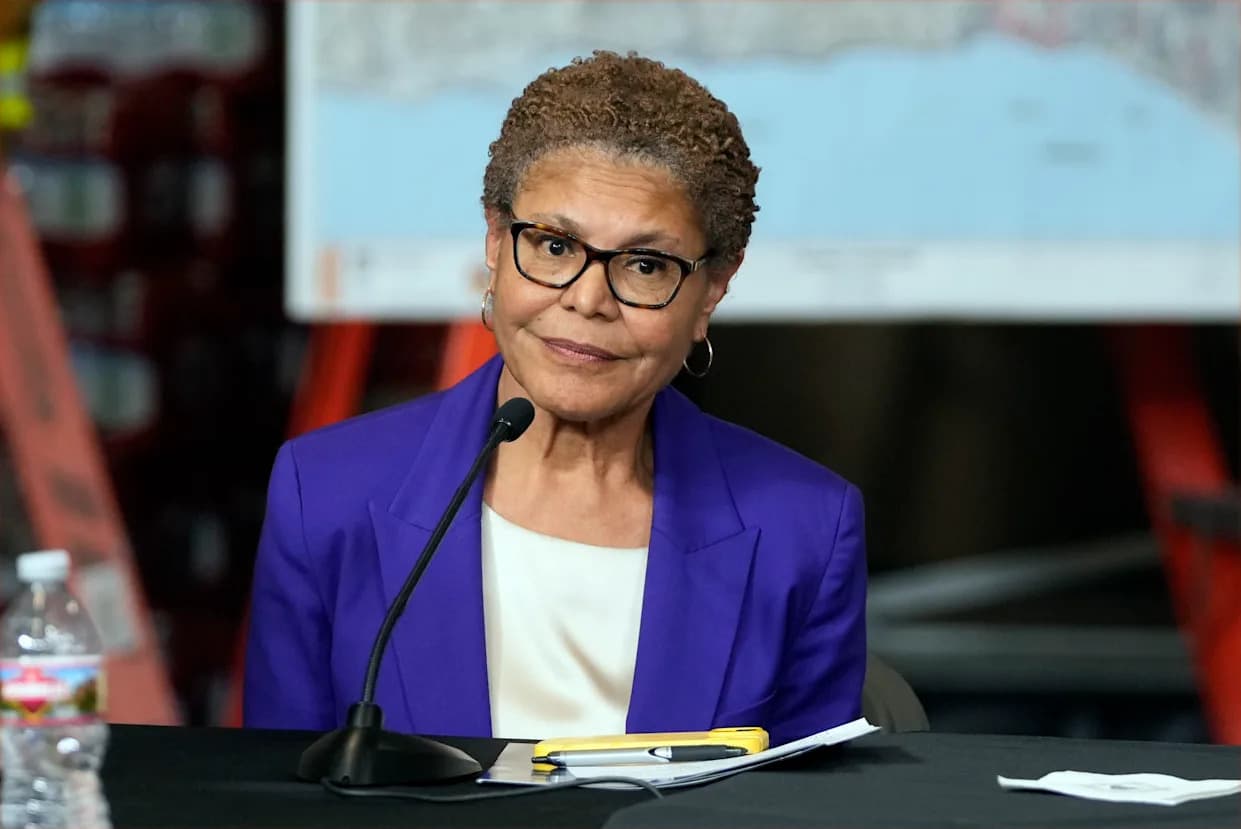
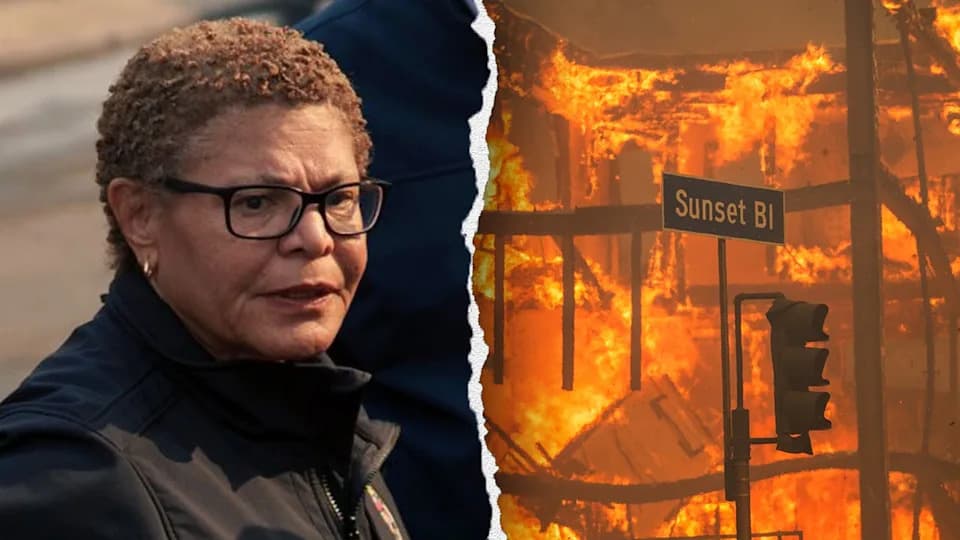
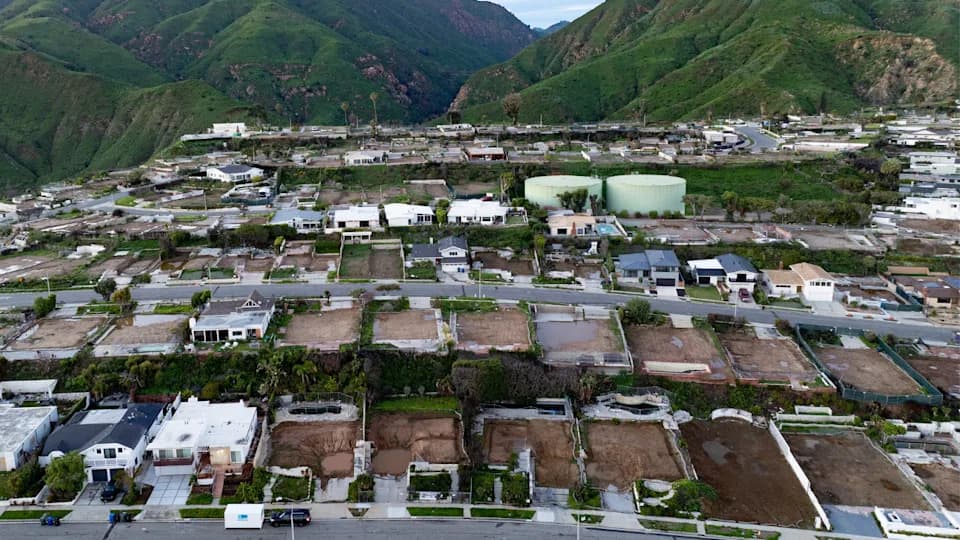
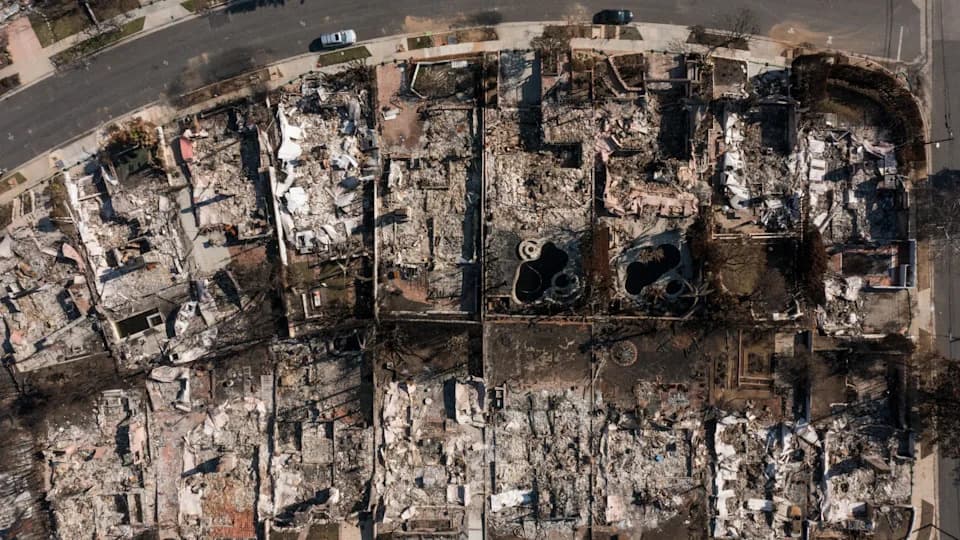
On the anniversary of the Jan. 7 wildfires that devastated the Los Angeles region, Governor Gavin Newsom and Mayor Karen Bass largely avoided public ceremonies, opting instead for private meetings with survivors, community leaders and faith groups. The twin blazes killed 31 people and destroyed roughly 13,000 homes.
Private Visits Instead Of Public Ceremonies
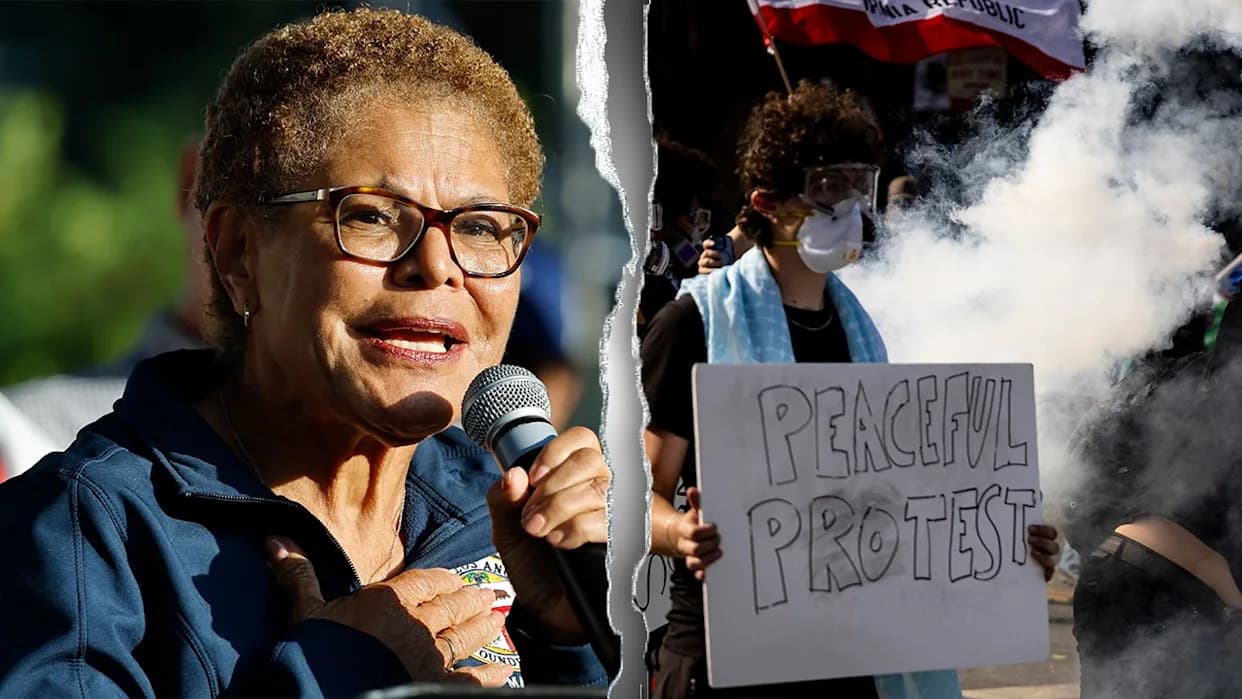
Neither official attended the public vigils, concerts or memorial events held across affected communities. Instead, both met in closed settings with survivors and civic leaders, visited memorials and later released limited accounts of their visits. Newsom’s stops included a charter high school in the Palisades, a downtown memorial and a meeting with faith leaders in Pasadena; Bass began the day at a private Palisades vigil and led a flag-lowering ceremony at City Hall.
Why They Stayed Away
Their absence underscored the political risk posed by the disaster: Bass faces a reelection campaign, and Newsom is widely expected to be a presidential contender in 2028. Survivors and activists have demanded answers over a series of apparent failures, including allegations that a small fire days earlier was not fully extinguished and later reignited into the inferno that wiped out the Pacific Palisades.
Public Response: Grief, Anger and Calls for Action
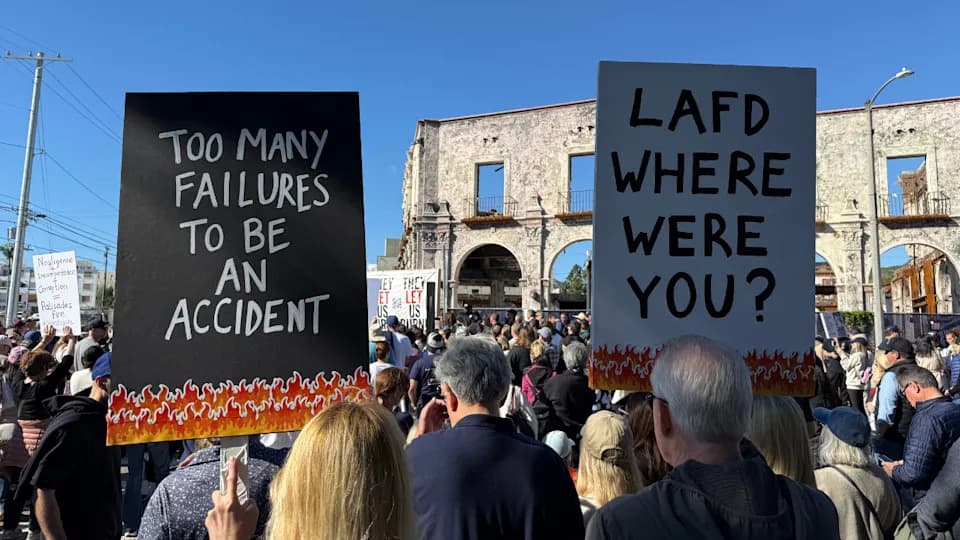
Local memorials and protests drew hundreds. In Altadena, residents commemorated the Eaton fire that killed 19 people and destroyed about 7,000 homes. In the Palisades, families gathered at an American Legion post to honor 12 residents who died, while a street protest led by Jeremy Padawer — who lost his home and called the demonstration “They Let Us Burn” — laid out grievances about early suppression efforts, firefighter staffing and reports of dry hydrants.
“They’re smart enough to know that they would get pummeled if they showed up,”
Councilmember Traci Park, praised by many residents for her on-the-ground response, was the most visible elected official at both memorial and protest events. Other city and state lawmakers attended ceremonies across the region, with Assemblymember John Harabedian and Los Angeles County Supervisor Kathryn Barger urging federal support and greater visibility from leaders.
Recovery Progress And Ongoing Challenges
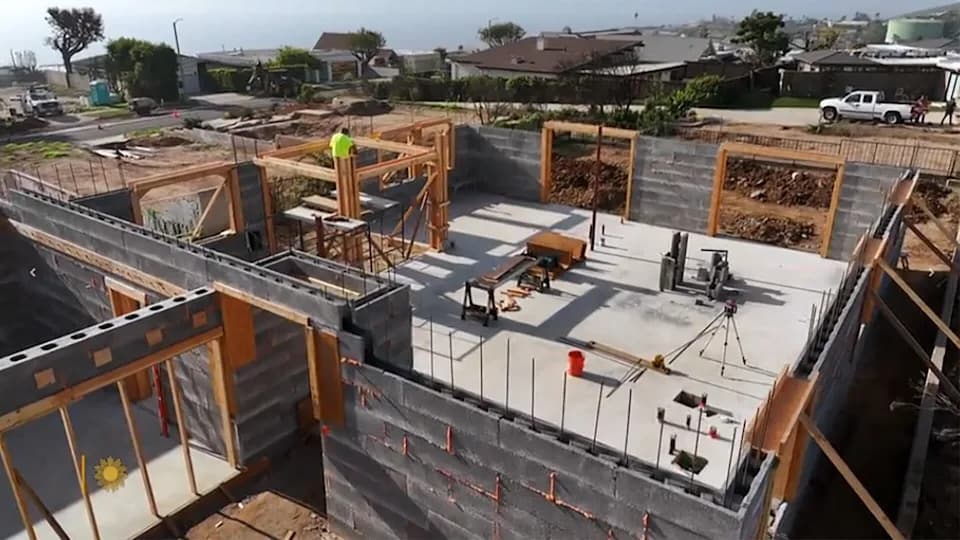
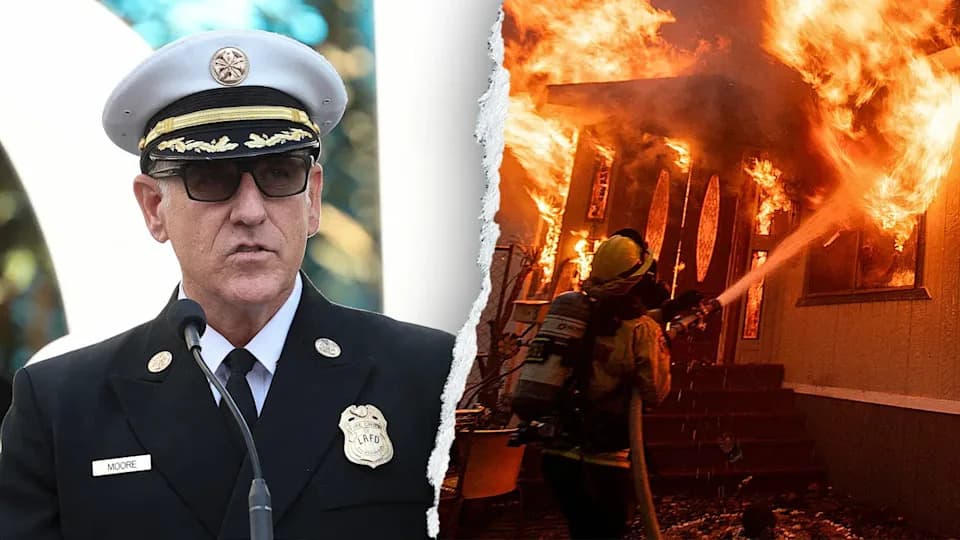
Officials point to some progress—record pace debris removal and streamlined permitting for rebuilding—but recovery remains slow. Local permit data show only nine new homes, including accessory dwelling units, have been completed in the burn zones so far, even as thousands have applied to rebuild and hundreds of houses are under construction. Survivors continue to face insurance gaps, financial strain and delays in critical infrastructure repair.
Governor Newsom has requested $33.9 billion in long-term recovery funding from the federal government; event speakers repeatedly noted that Congress and the federal administration had not yet approved that aid, leaving local and state governments to shoulder immediate costs.
What Residents Want
Survivors and community leaders called for full, transparent investigations into the fire response and for sustained federal and state support to accelerate rebuilding. Voices at the memorials urged elected officials to be visible and accountable as communities move from mourning to rebuilding.
Key figures: Jan. 7 start date; 31 dead; roughly 13,000 homes destroyed across the region; 19 dead and ~7,000 homes lost in the Eaton fire; 12 dead in the Palisades fire; nine new homes completed in burn zones; $33.9 billion federal recovery request pending.
Help us improve.