A 9,500-year-old cremation pyre discovered at Mount Hora, Malawi, is the oldest confirmed intentional cremation in Africa and the earliest known in situ adult pyre. Analysis of 170 bone fragments indicates the cremated individual was an adult woman under 150 cm tall; cut marks and the absence of skull fragments point to ritualized treatment before burning. The pyre required at least 66 lb (30 kg) of fuel and may have exceeded 930°F (500°C), implying a coordinated group effort. Traces of fires centuries before and after suggest the site retained long-term significance.
9,500-Year-Old Cremation Pyre in Malawi Is Africa’s Earliest Known Intentional Adult Cremation
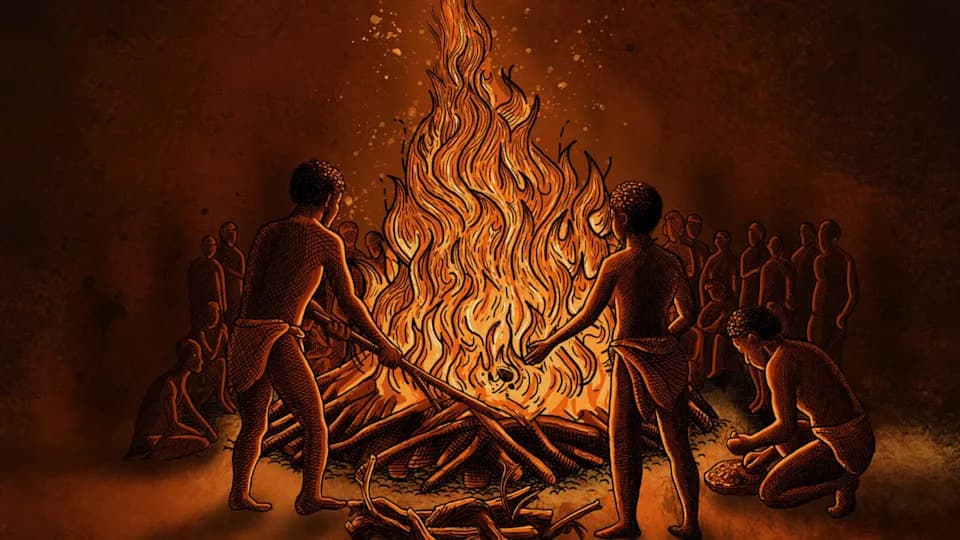
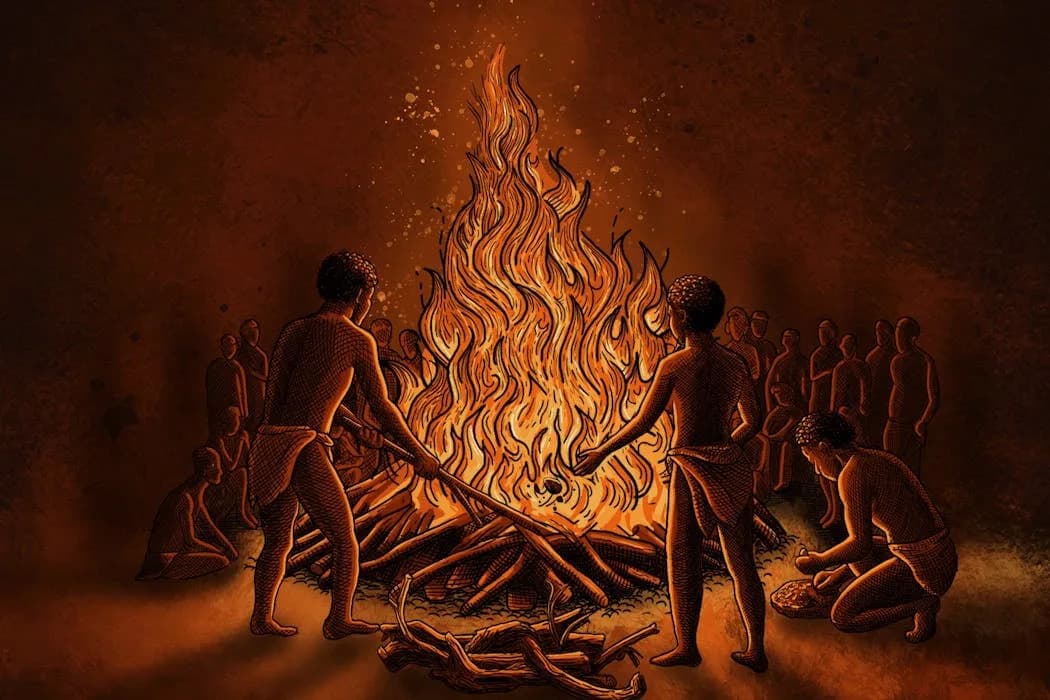
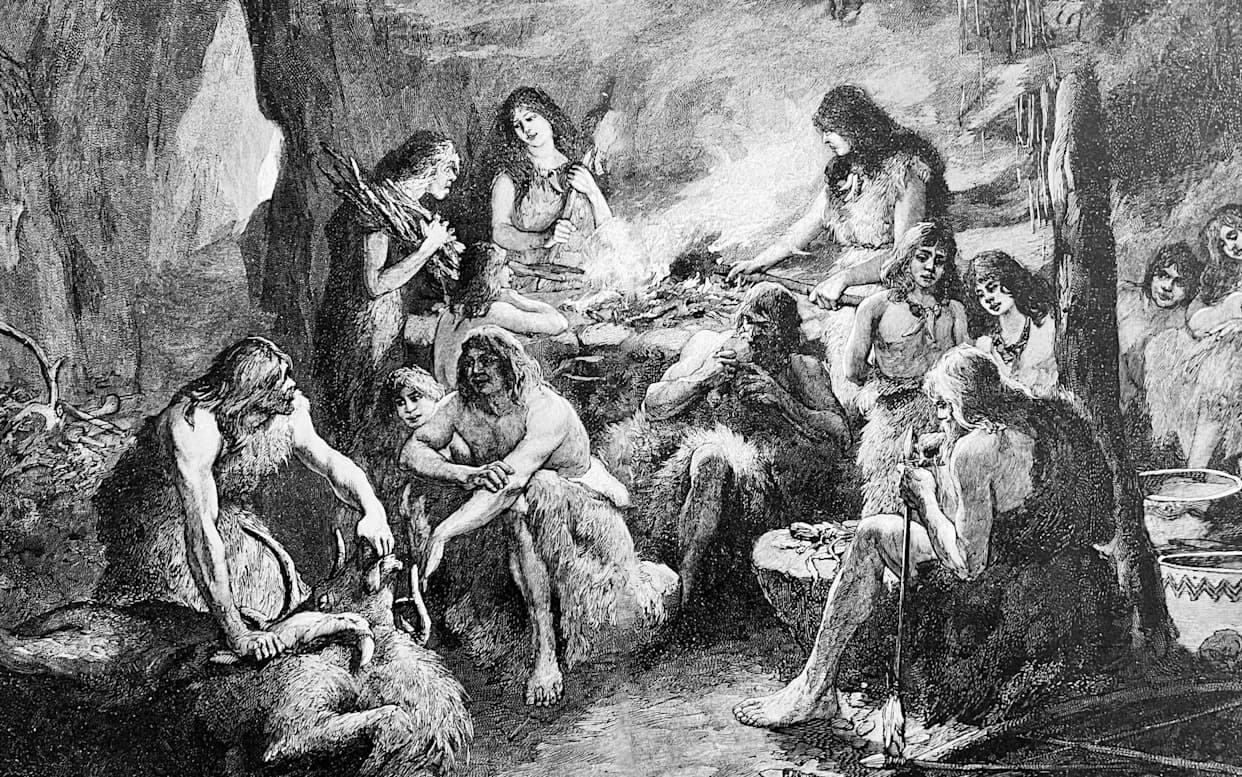
Hunter-gatherers in what is now Malawi built a pyre around 9,500 years ago to cremate the body of a deceased woman. | Credit: Patrick Fahey
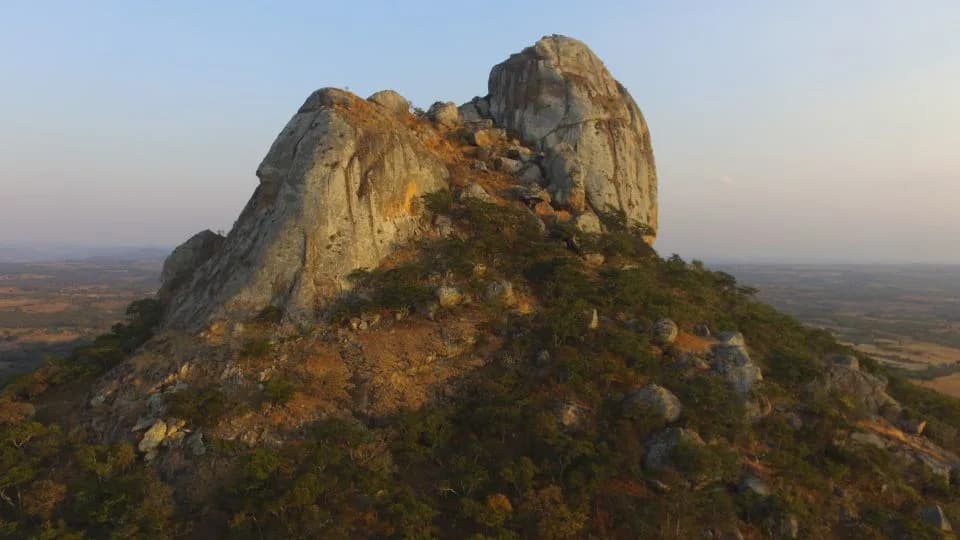
Archaeologists have uncovered a 9,500-year-old cremation pyre at a hunter-gatherer burial ground at the foot of Mount Hora in Malawi. The find represents the oldest confirmed case of intentional cremation in Africa and the earliest known in situ cremation associated with an adult, researchers report in Science Advances.
What Was Found
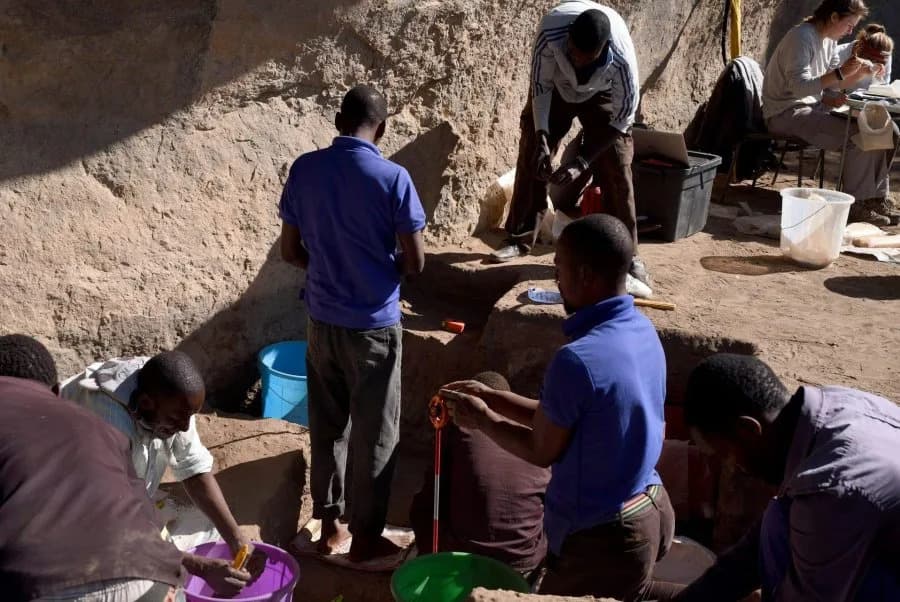
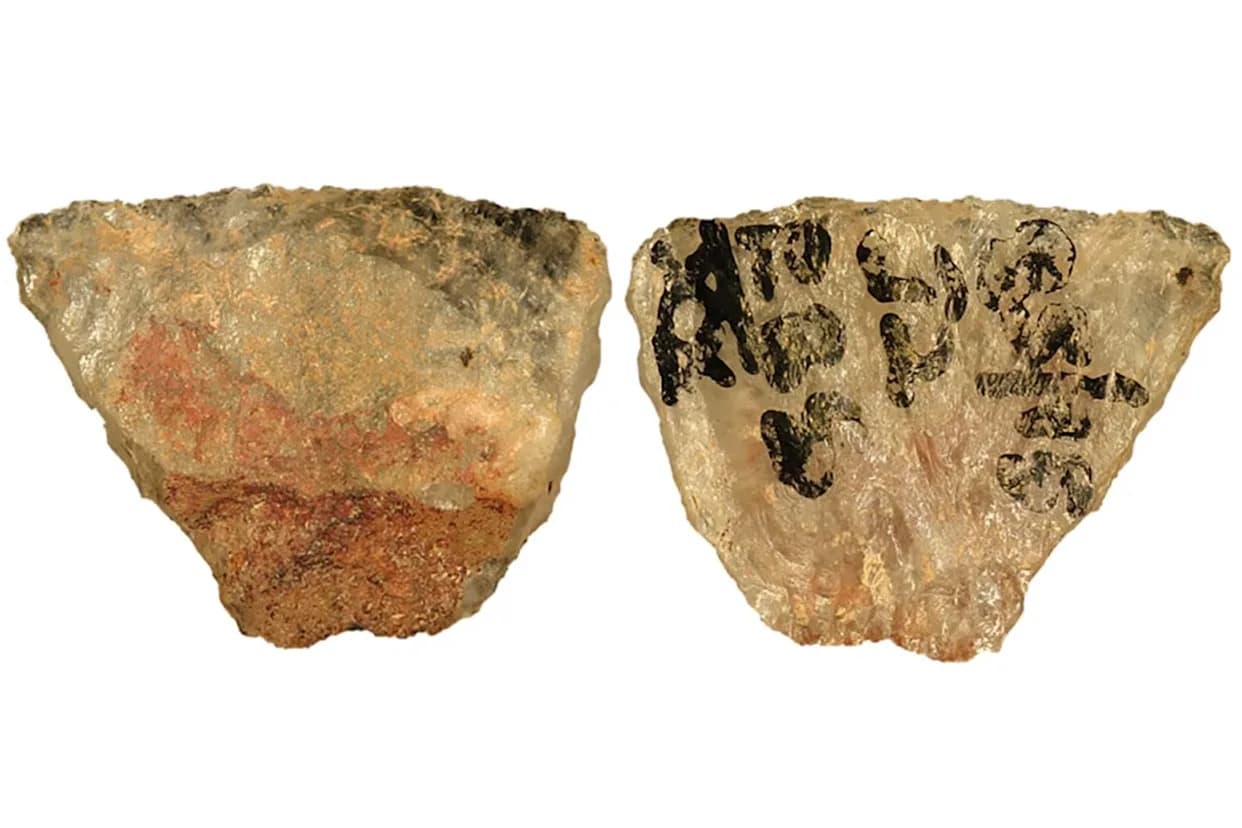
Excavators recovered 170 bone fragments from a single cremated individual and associated deposits that included stone tools. Analysis indicates the person was an adult woman under 150 cm (about 5 feet) tall who died between roughly 18 and 60 years of age. The bones show cut marks and evidence that the skull and teeth were absent from the pyre, leading researchers to conclude the head may have been removed prior to burning.
“Surprisingly, there were no fragments of teeth or skull bones in the pyre. We believe the head may have been removed prior to burning,”
— Elizabeth Sawchuk, Bioarchaeologist, Cleveland Museum of Natural History
Ritual Treatment and Timing
The pattern of cut marks and missing cranial elements suggests parts of the body were stripped or separated before cremation. Lead author Jessica Cerezo-Román of the University of Oklahoma says these modifications could reflect acts of remembrance, social memory, or ancestor veneration. The team also concluded the woman was likely cremated only a few days after death, before advanced decomposition.
Scale and Effort
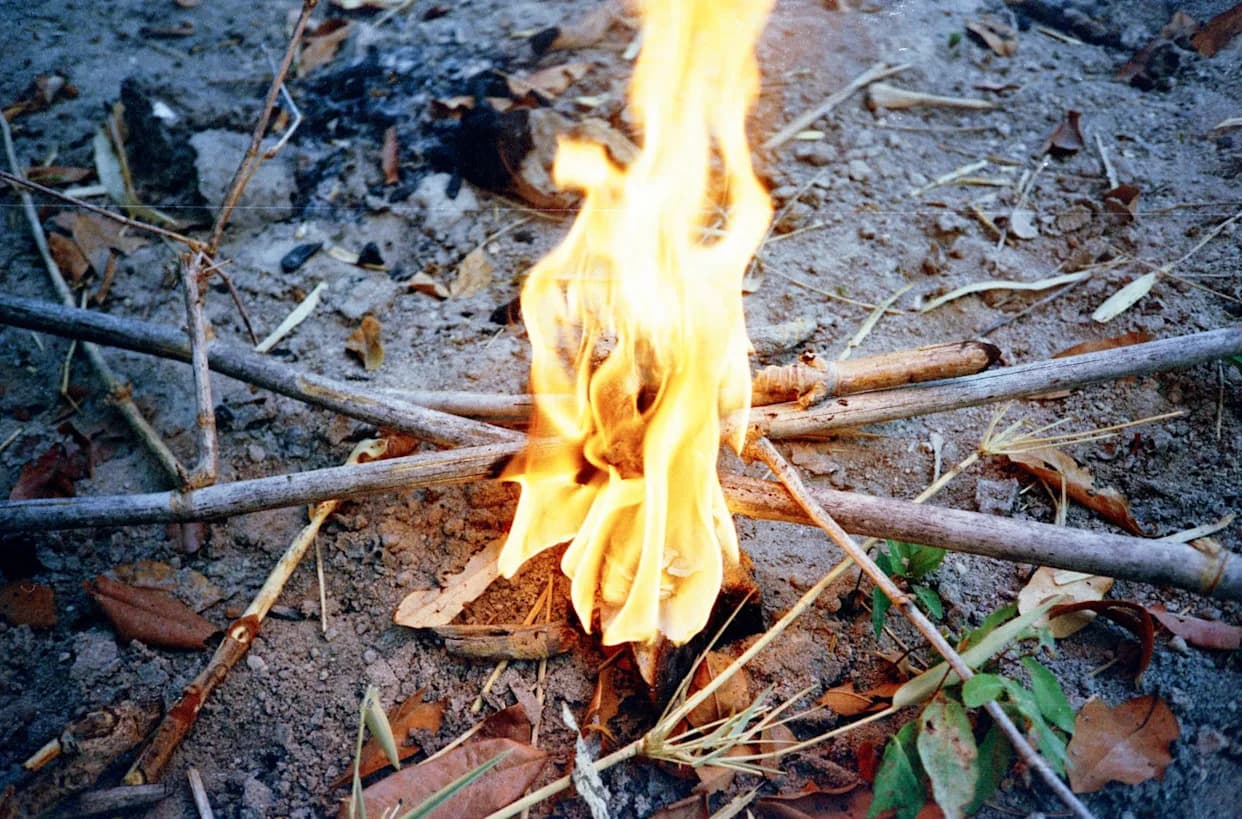
Reconstructing the pyre indicates it required a substantial amount of fuel—at least 66 lb (30 kg) of wood and grass—and people repeatedly added fuel to keep the fire burning at high temperatures. Temperatures on the pyre may have exceeded 930°F (500°C), implying coordinated labor and planning.
“It was such a spectacle that we have to re-think how we view group labor and ritual in these ancient hunter-gatherer communities,”
— Jessica Thompson, Assistant Professor of Anthropology, Yale University
Context And Significance
Earlier evidence of in situ cremation includes a child in Alaska dated to about 11,500 years ago; prior African cremations had only been conclusively dated to roughly 3,500 years ago in Kenya and were associated with Neolithic herders. Much older traces of partial burning exist at sites such as Lake Mungo in Australia (~40,000 years ago), but those remains were not fully calcined. The Malawi pyre therefore fills an important gap in understanding early mortuary practices in Africa.
Researchers also detected traces of large fires at the same location roughly 700 years before and 500 years after the cremation event, suggesting that the place remained meaningful for centuries even though no additional cremations were found there. One open question is why this woman alone received such treatment; researchers speculate she may have had a particular social or symbolic status.
Publication: The study was published Jan. 1 in Science Advances.
Help us improve.