Vietnam's Communist Party has endorsed General Secretary To Lam to remain the country's top leader for the next five years and may nominate him to hold the presidency at the same time. Lam, who succeeded Nguyen Phu Trong in 2024, has pushed sweeping administrative reforms and a broad anti-corruption drive. Reforms have cut ministries from 30 to 22 and proposed reducing provincial administrations from 63 to 34, while roughly 147,000 officials were laid off or took early retirement. The party congress on January 19-25 will formally confirm the leadership slate and policy agenda.
Vietnam's Communist Party Endorses To Lam To Remain Top Leader — Possible Dual Role As President

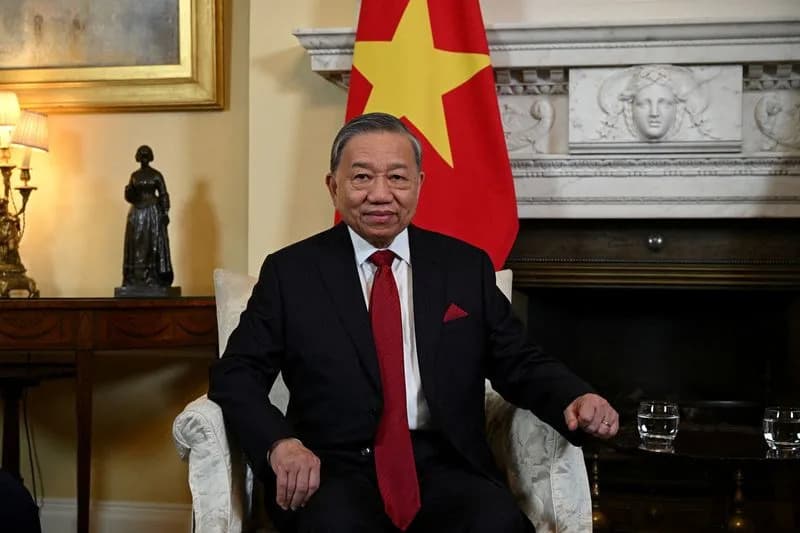
To Lam became party chief after the death of his predecessor in August 2024 and has enacted a crackdown on corruption (Nhac NGUYEN)(Nhac NGUYEN/AFP/AFP)
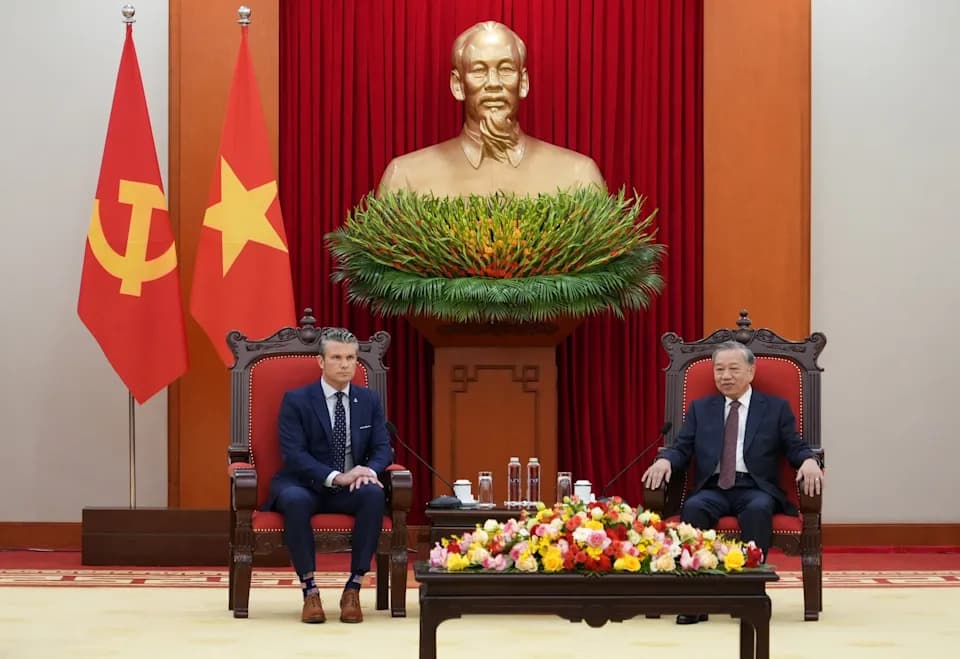
Vietnam's Communist Party on Tuesday endorsed General Secretary To Lam to remain in the country's top leadership role for the next five years, according to two people familiar with a meeting where senior officials agreed a slate of candidates. The list is expected to be announced and formally confirmed at the party congress in January.
One source said the leadership agreed "no change" to the party chief position to preserve stability, while a second source indicated Lam is likely to be nominated to hold the presidency concurrently — a consolidation of roles similar to the arrangement of Chinese President Xi Jinping.
"On behalf of those entrusted with the nomination to the Central Committee and leadership positions for the next term... we would like to thank the Central Committee, the Politburo, and the Secretariat for their trust in assigning us this task," Lam said in a speech on Tuesday, appearing to acknowledge the nomination. "We will continue to work together in unity and with a high sense of responsibility and efficiency, meeting the expectations of the Party and the People."
Radical Reform
Lam, who was elevated to party chief after the death of former General Secretary Nguyen Phu Trong in August 2024, came to power after a long career at the public security ministry — the agency responsible for internal security, monitoring dissent and surveillance in Vietnam's one-party system.
In his short tenure, Lam has accelerated an ambitious program of administrative restructuring and investment aimed at boosting economic growth and strengthening the party's legitimacy. The government has reduced the number of ministries and agencies from 30 to 22 and is pursuing a proposal to shrink 63 provincial and municipal administrations to 34.
State media, civil service bodies, the police and the military have also faced personnel cuts. Approximately 147,000 people were either laid off or took early retirement as Hanoi sought to streamline the bureaucracy and cut costs.
These structural changes follow a high-profile anti-corruption campaign that has swept up numerous business figures and senior officials in recent years — including two former presidents and three deputy prime ministers since 2021 — underscoring the party's push to demonstrate accountability and deter graft.
What Comes Next
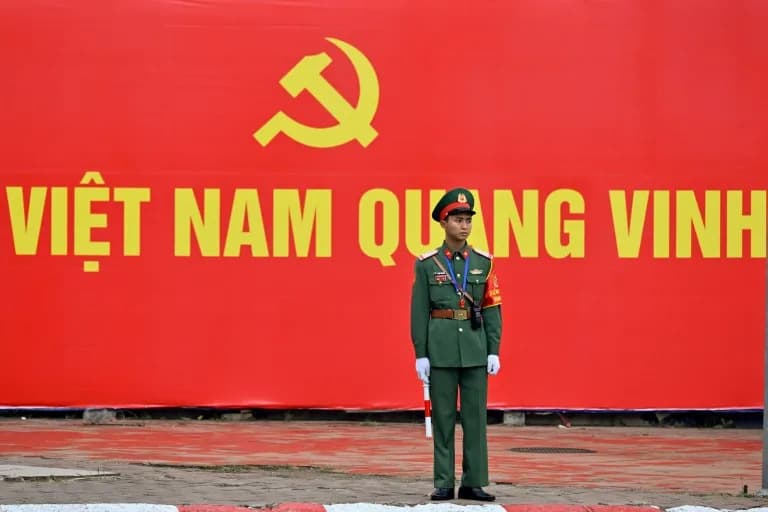
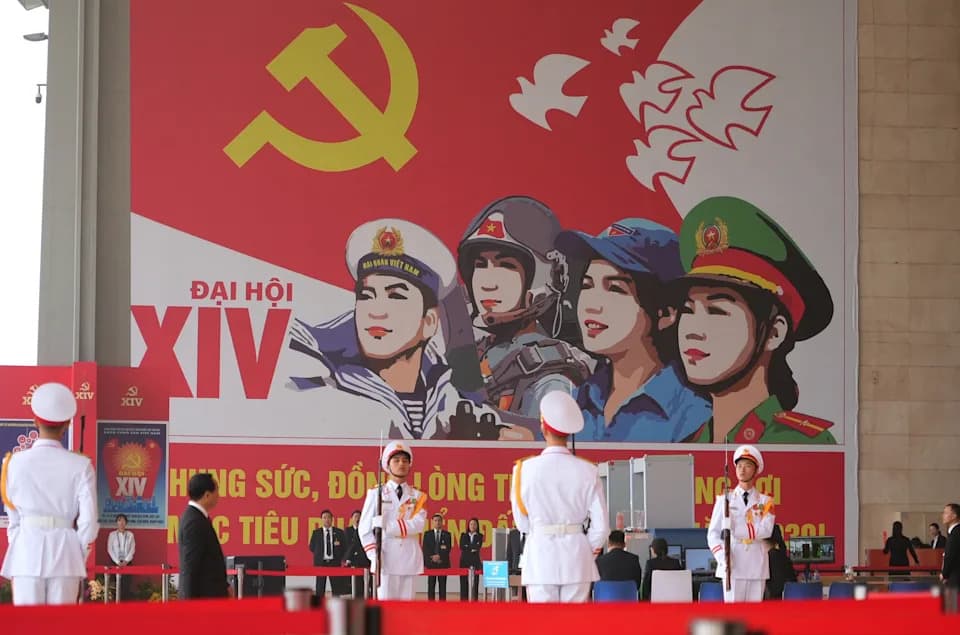
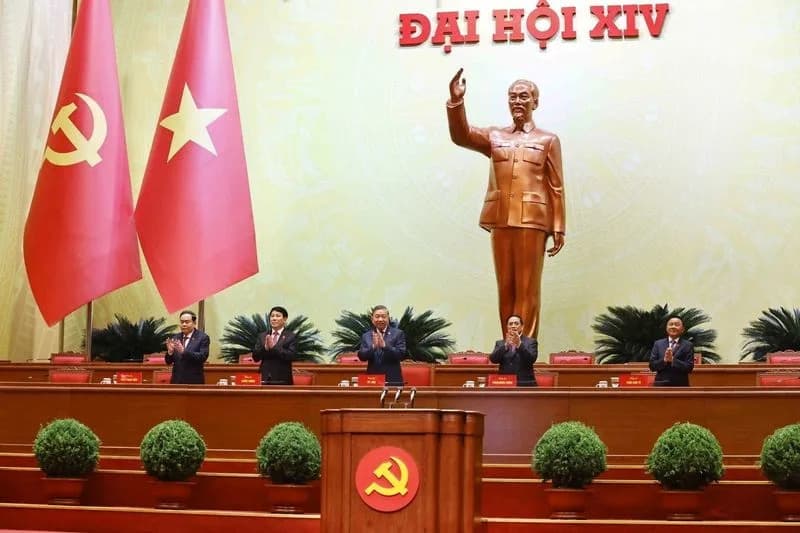
The leadership slate must be finalized at the party congress, scheduled for January 19-25, when delegates will also outline major policy plans for the next five years, including infrastructure spending and economic growth targets. Observers say Lam's consolidation of power and rapid reforms signal a decisive shift from an era of gradual change toward a period focused on efficiency, centralization and accelerated development.
Help us improve.