Xi Jinping has escalated an anti-corruption purge that recently removed senior PLA officers, including Zhang Youxia, in the biggest military shake-up since the Cultural Revolution. Analysts are split: some see coordinated consolidation and long-term planning, others warn of growing paranoia and political risk. The campaign reflects Xi’s Leninist view of corruption as an existential threat to Party legitimacy but also raises concerns about PLA morale, institutional expertise, and the consequences of concentrated power.
Xi’s Military Purge: Calculated Consolidation or Signs of Paranoia?
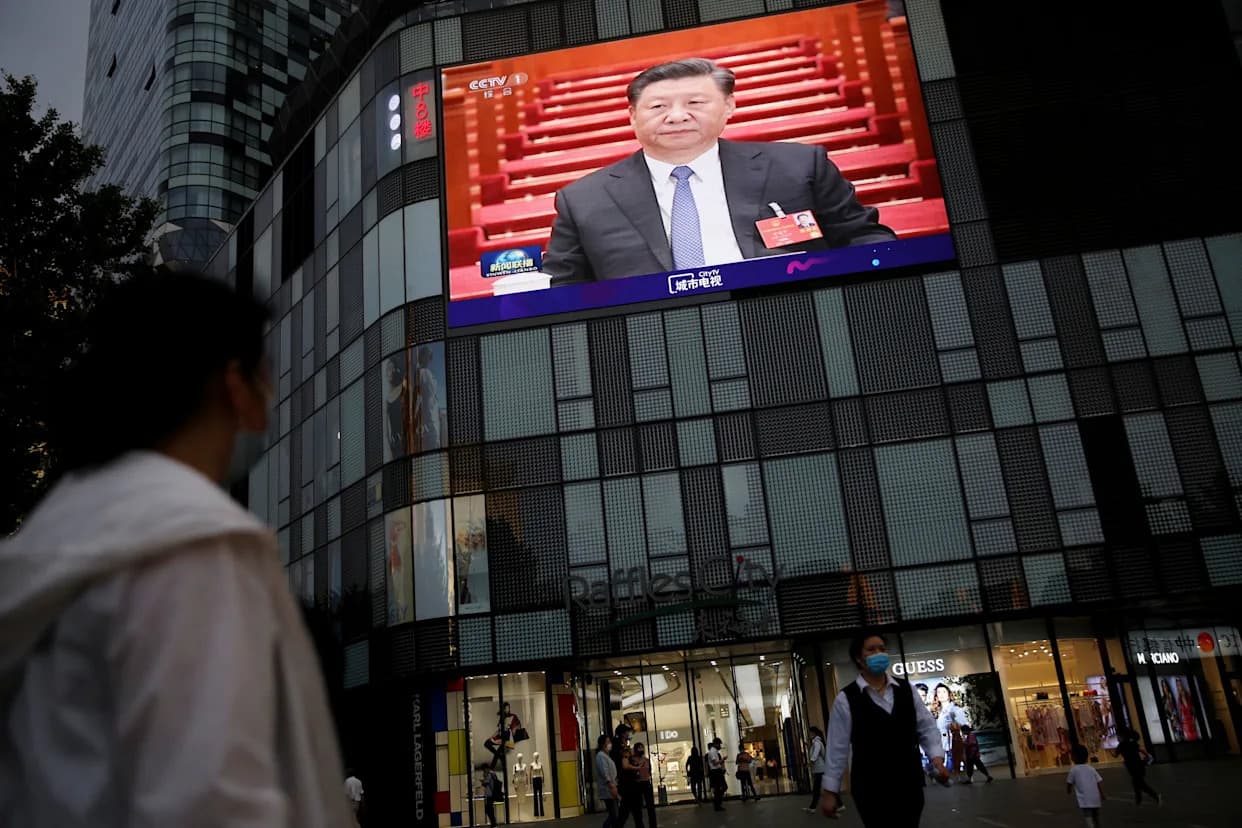
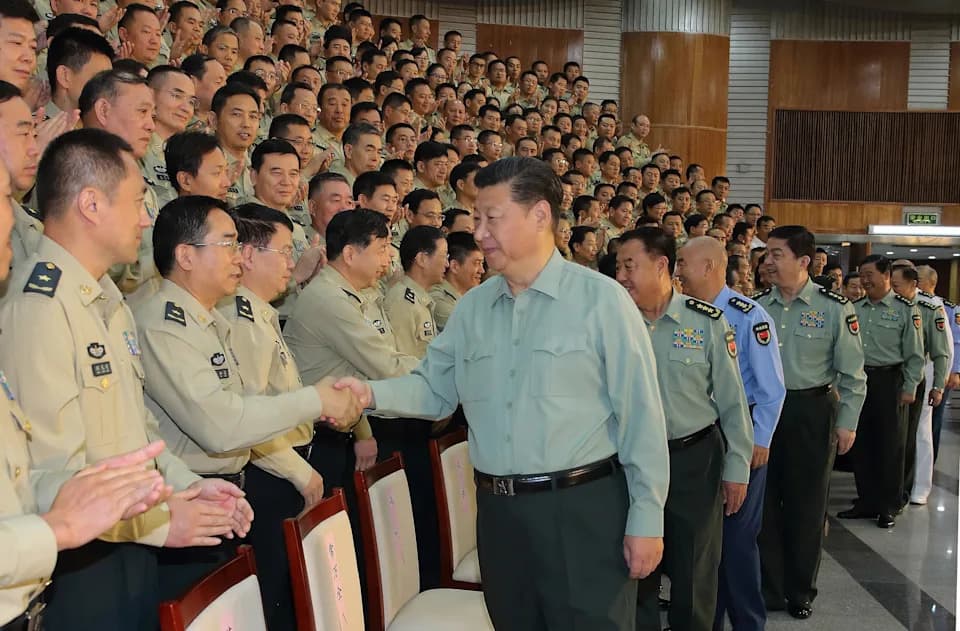
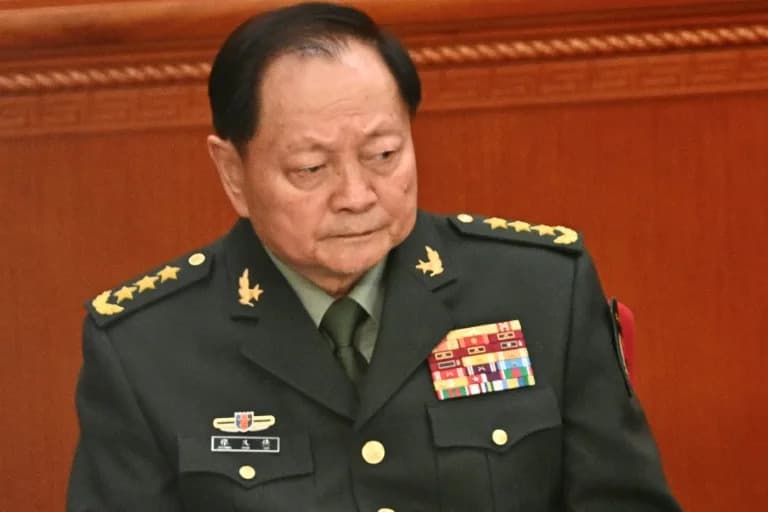
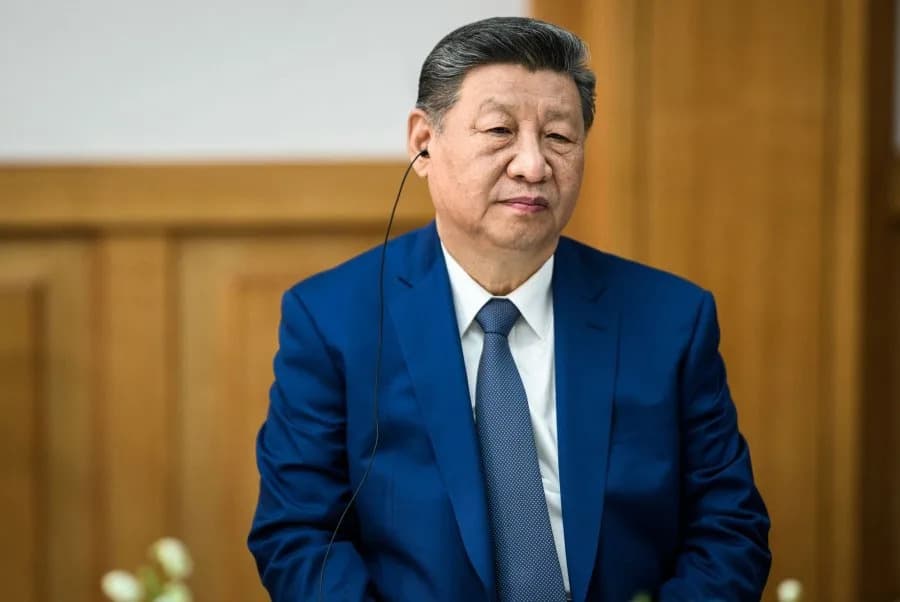
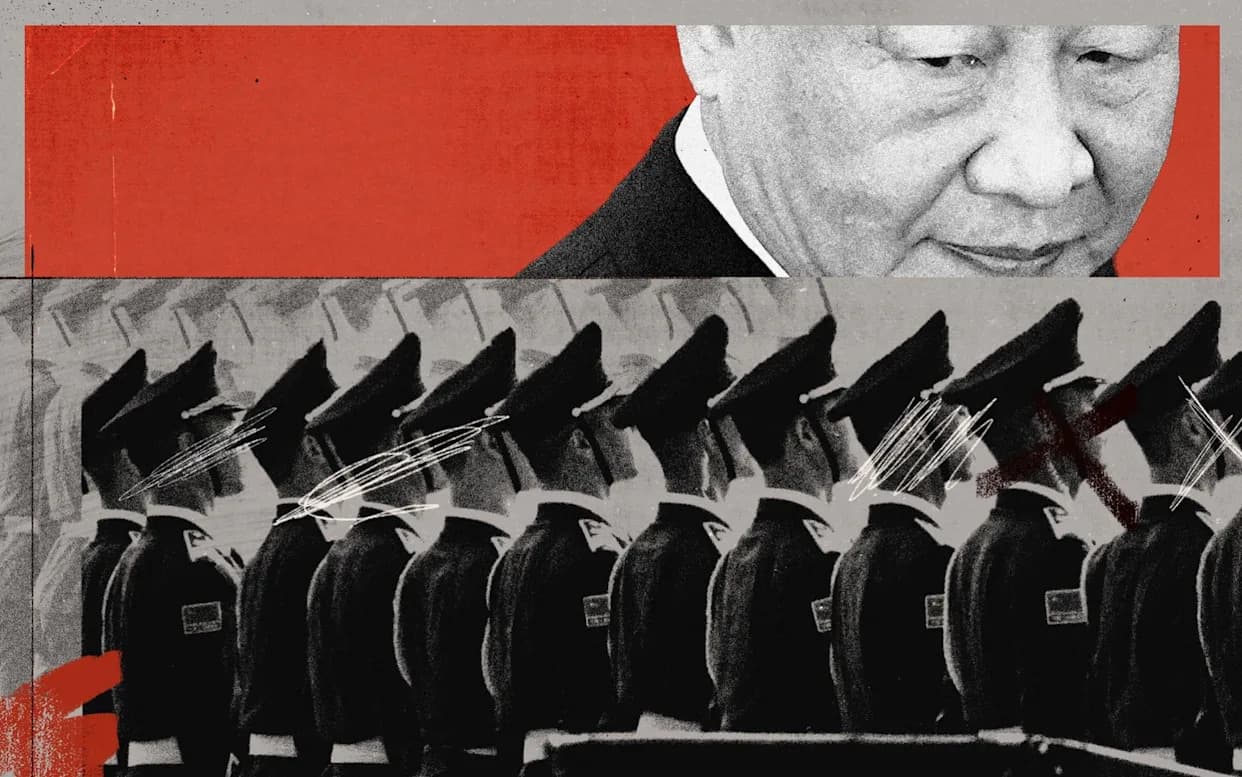
China’s leader Xi Jinping has intensified an anti-corruption purge that recently reached the People’s Liberation Army (PLA), removing top officers including Zhang Youxia. The shake-up — the largest in the PLA since the Cultural Revolution — has drawn comparisons to Joseph Stalin’s purge of the Red Army, but analysts remain divided on whether Xi is executing shrewd consolidation or exhibiting growing suspicion.
Historical Echoes and a Stark Contrast
At the height of his “Great Terror,” Joseph Stalin arrested two-thirds of his generals and executed three of five marshals — an outcome that crippled Soviet command before World War II.
While the comparison is evocative, important differences matter: the PLA is explicitly the armed wing of the Communist Party, and there is no public sign of an organized military rebellion. The generals removed to date have not resisted publicly, and Beijing frames the actions as graft investigations.
What Happened
Xi has disciplined millions under his anti-corruption drive since 2012 — official tallies exceed seven million. In 2025 alone, nearly one million people were targeted, and the campaign has moved closer to Xi’s inner circle. The recent dismissal of Zhang Youxia, a princeling and veteran of the 1979 conflict with Vietnam, plus another senior general, has left only one other member besides Xi on the seven-person Central Military Commission.
Analysts’ Views
Opinion is split. Some experts portray Xi as exercising firm control and long-term planning. Christopher Johnson, former CIA analyst and CEO of the China Strategies Group, argues Xi’s pattern blends patient strategy with sudden political offensives. Others worry the purge signals heightened paranoia or anxiety about succession.
Konstantin Sonin, a scholar of Stalin-era purges, warns that simple labels such as "paranoia" may be inadequate: historical purges often targeted real as well as imagined rivals. Observers also note allegations reported in outlets such as The Wall Street Journal that Zhang faced serious charges, including accusations of leaking sensitive information — claims Beijing has not fully detailed publicly.
Motives and Risks
Xi’s actions reflect a Leninist view that corruption is an existential threat to Party legitimacy; several analysts describe his anti-graft campaign as a "forever journey." At the same time, removing an entire generation of senior officers risks undermining PLA morale and short-term combat readiness.
Ultimately, the purge strengthens Xi’s grip but may expose vulnerabilities: unchecked centralization, the erosion of institutional expertise, and intensifying elite anxiety in the absence of a clear succession plan.
Implications
For international observers, the purge raises three immediate questions: how deeply will Xi remake the PLA’s leadership and culture, what are the short-term operational consequences for China’s military posture, and how will internal politics evolve as Xi consolidates personal control?
Help us improve.