Thais vote in an election that contrasts last cycle's reformists with a conservative bloc that installed the current prime minister, while imprisoned ex-leader Thaksin Shinawatra remains influential. Key challenges for the next government include renewed border clashes with Cambodia, transnational cyberscam syndicates, and weak economic recovery with tourism still below pre-pandemic levels. Polls put the People's Party ahead but no party is expected to secure an outright majority, making coalition bargaining and institutional constraints decisive for who governs.
Thailand Votes After Political Turmoil: Three Prime Ministers in Two Years as Voters Head to the Polls
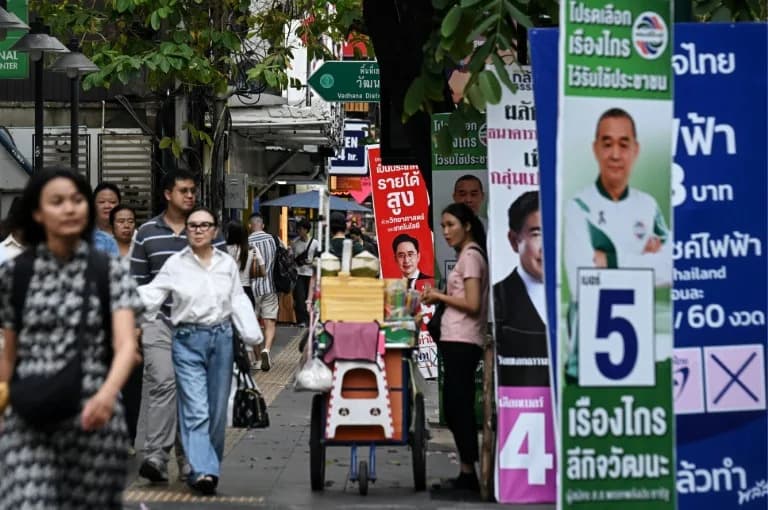
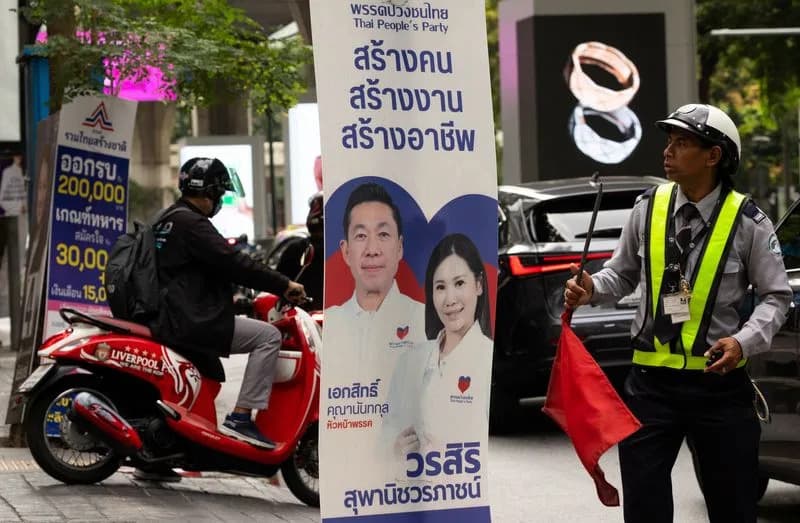
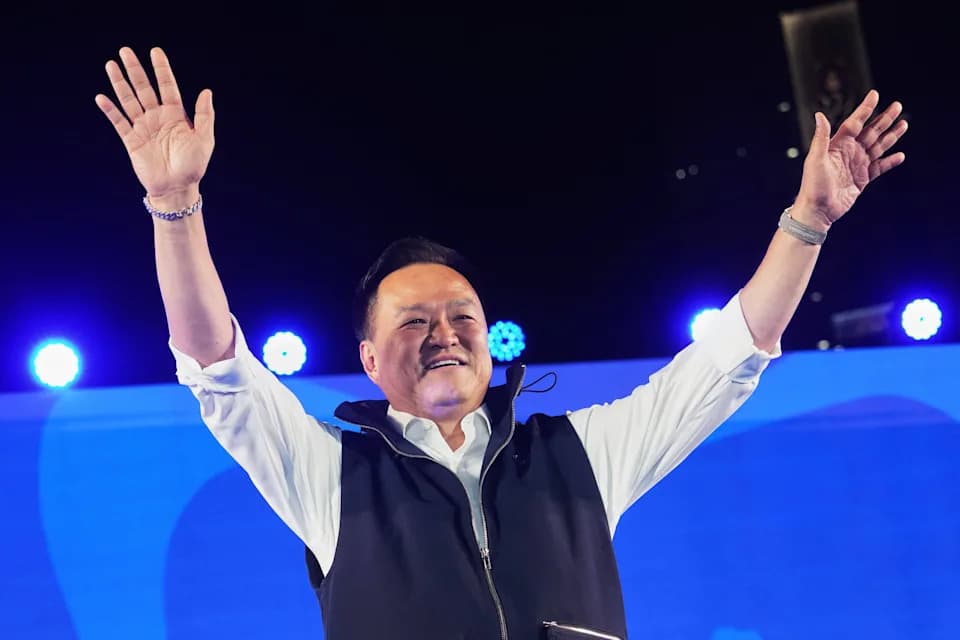
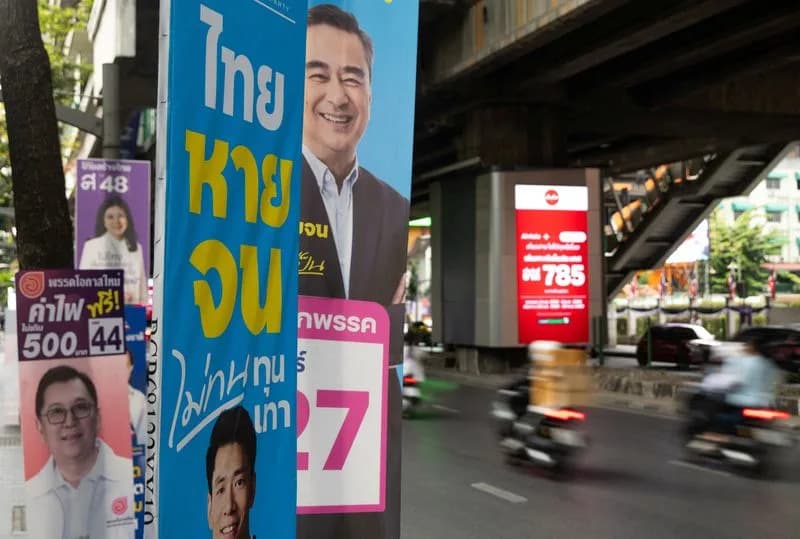
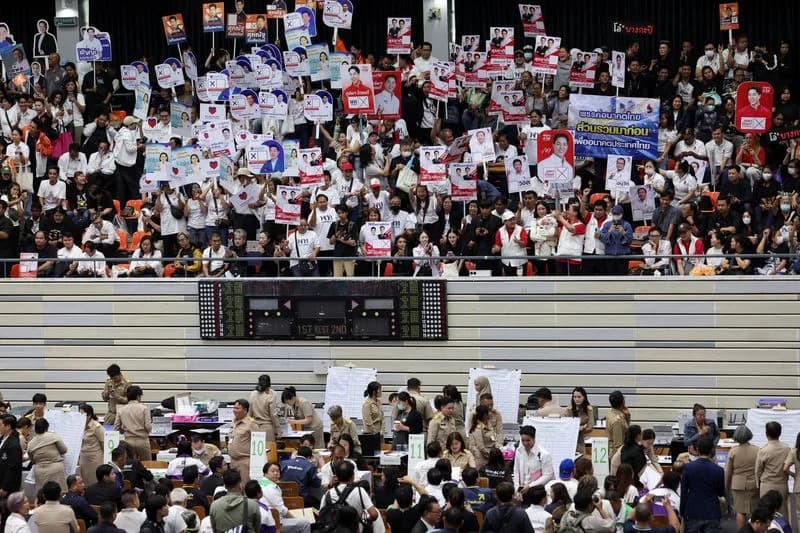
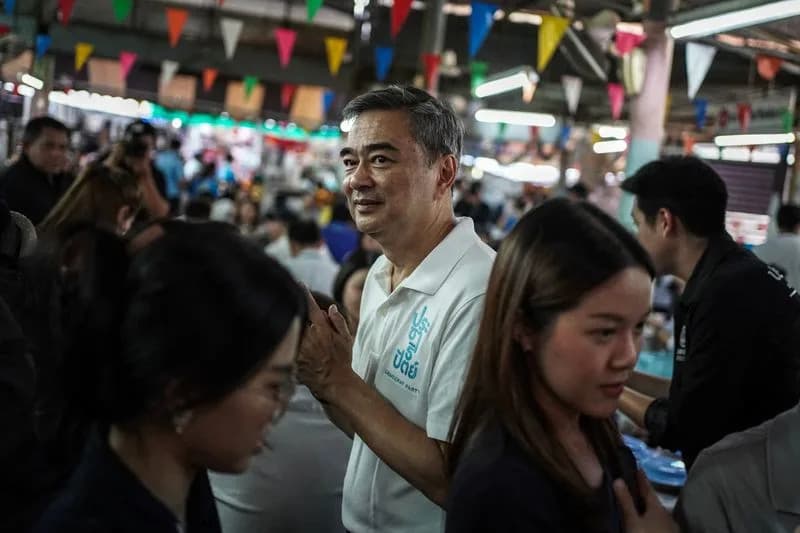
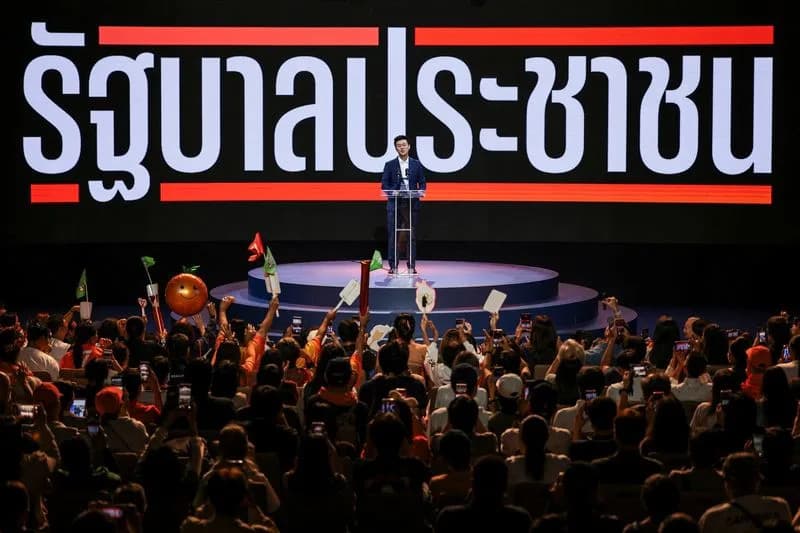
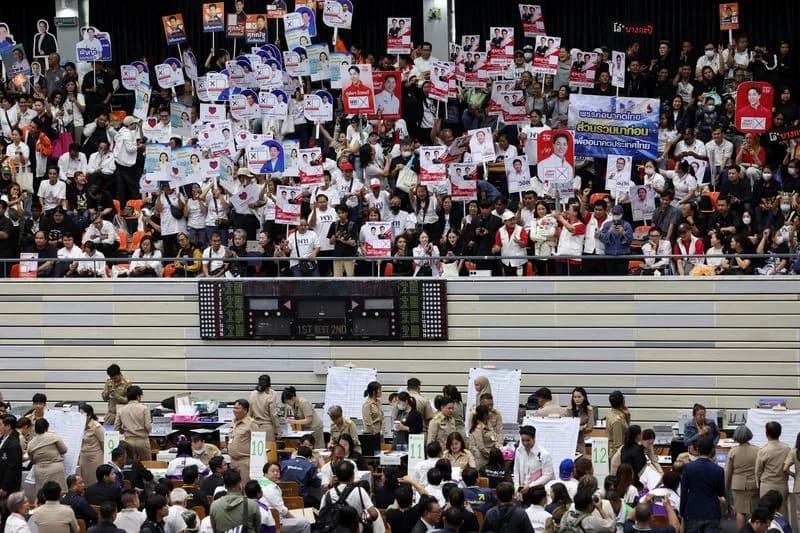
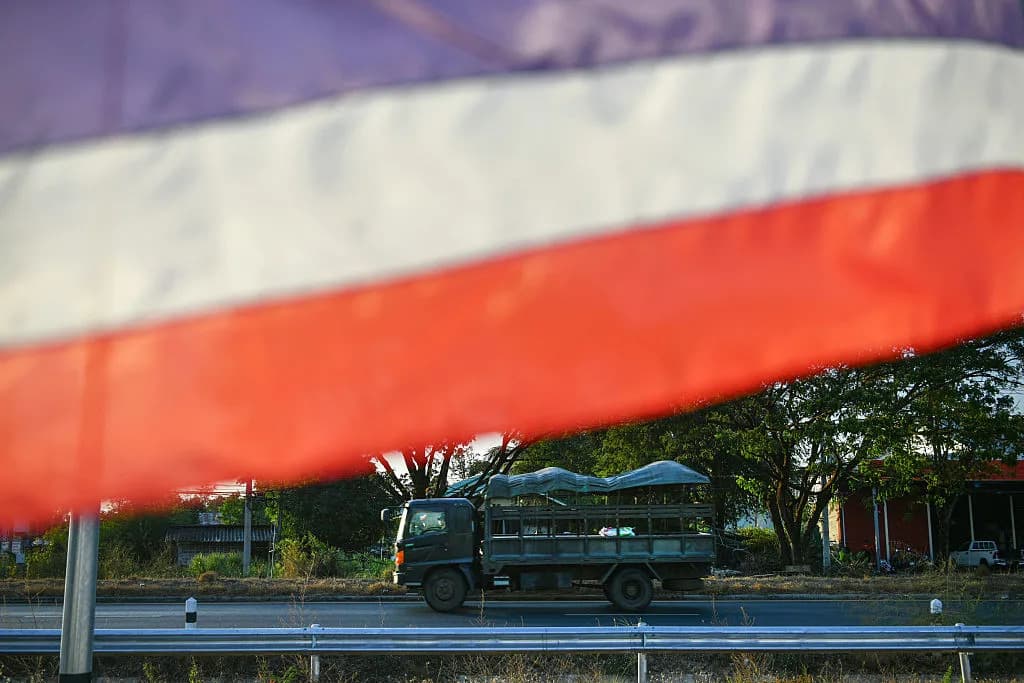
No party is expected to win an outright majority in Thailand's election (Lillian SUWANRUMPHA)(Lillian SUWANRUMPHA/AFP/AFP)
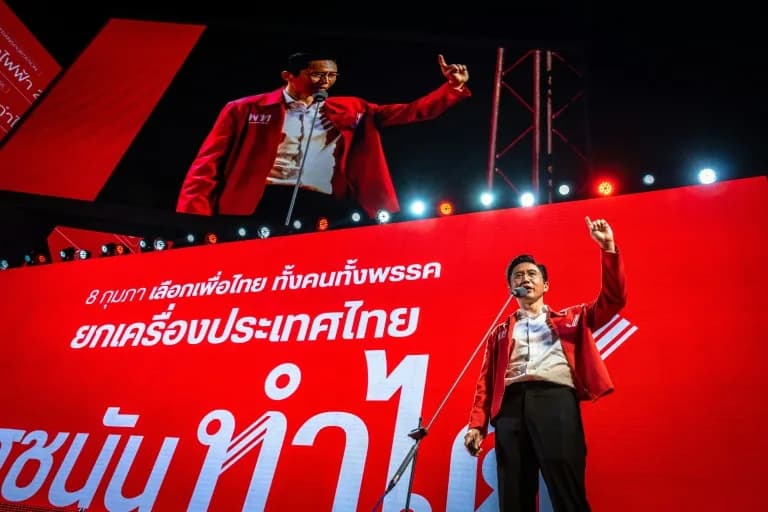
Thais head to the polls on Sunday in an election that pits last cycle's reformist surge against a conservative bloc that produced the current prime minister — with former premier Thaksin Shinawatra continuing to cast a long shadow from behind bars.
Background
The next government will inherit several urgent challenges: a long-standing border dispute with Cambodia that erupted into deadly clashes twice last year, sprawling transnational cyberscam syndicates operating across the region, and a sluggish economy. Tourism — a cornerstone of Thailand's growth — has not yet returned to pre-Covid levels, while fast-growing Vietnam is increasingly attracting foreign direct investment away from Thailand.
Political Landscape
No single party is expected to win an outright majority, which makes coalition-building central to who will govern. Opinion polls put the progressive People's Party comfortably ahead with roughly one-third support, but that may be insufficient to form a stable government without allies.
In the previous election the People's Party won the largest vote share and most parliamentary seats, yet its candidate was blocked from becoming prime minister and the party was later dissolved. Thaksin's Pheu Thai — which finished second last time — formed a coalition with the conservative Bhumjaithai and briefly led the government until its prime minister was removed by a court ruling. He was succeeded briefly by Thaksin's daughter, Paetongtarn Shinawatra, who was also ousted by the judiciary; parliament then appointed Anutin Charnvirakul in September, marking Thailand's third prime minister in two years.
"Thai elections have effectively become decoupled from government formation," said political scientist Napon Jatusripitak. "That's not necessarily a good thing for a country where democratic experience has been turbulent."
Parties, Policies and Players
The People's Party leads most polls and is campaigning on reformist promises such as ending conscription and reducing the military's upper ranks. Bhumjaithai — a centre-right party known for championing cannabis legalization and emphasising national defence after last year's clashes with Cambodia — ranks second and could again hold kingmaker power by allying with Pheu Thai, which currently polls around 16% after setbacks including Paetongtarn's removal and Thaksin's one-year prison sentence for corruption.
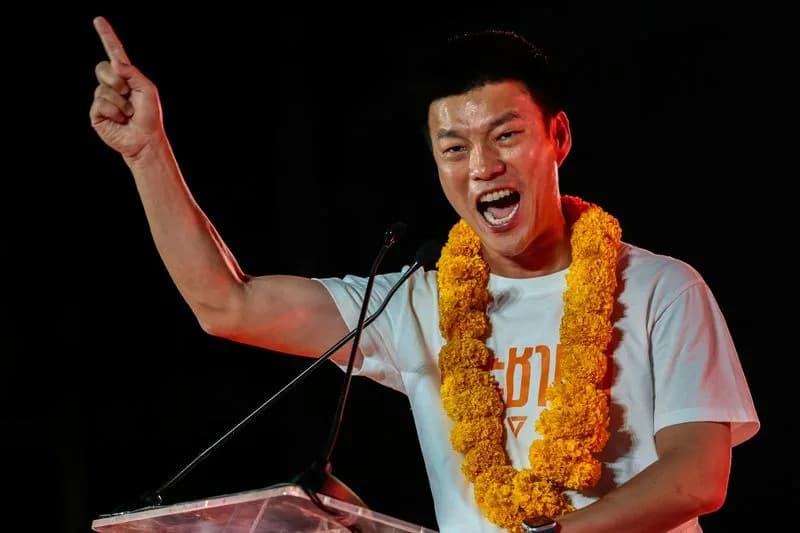
Pheu Thai's camp remains influential: Thaksin's nephew, Yodchanan Wongsawat, is among those seeking to continue the family's political legacy. All major parties are also pitching populist economic measures and social handouts — notably Pheu Thai's pledge to run a daily lottery awarding nine prizes of one million baht each to stimulate spending.
Referendum And What To Watch
Voters will also answer a referendum question asking whether they support constitutional reform in principle; the ballot does not present specific reform measures. Political scientist Punchada Sirivunnabood warned that, given entrenched institutional constraints, "we cannot really expect a lot of change in this election" unless a party wins an outright majority — something only Thaksin's party has achieved in past democratic polls.
How the result translates into government formation will be closely watched: the military-drafted constitution and an appointed Senate give unelected institutions significant influence, creating repeated scenarios in which elected outcomes can be undermined by non-elected actors.
Implications: The vote will test whether reformist momentum can translate into governing power and whether Thailand can move beyond the cycle of courts, coups and coalition reshuffles that have defined its modern politics.
Help us improve.