Genomic analysis of >300 Italian centenarians versus ~700 middle‑aged controls found a higher proportion of Western Hunter‑Gatherer (WHG) ancestry in those who reached 100. The study in GeroScience reports that each modest increase in WHG ancestry was associated with roughly a 38% higher odds of being a centenarian, with a notably stronger effect in women. The authors suggest ancient selection during the Ice Age may have favored variants that improve metabolism and resilience, but they caution that the findings are associative and need replication.
Ancient Hunter‑Gatherer DNA Linked To Higher Odds Of Living Past 100 In Italians

Ancient DNA explains why some people live to be over 100
New research suggests a link between ancient ancestry and exceptional longevity. A genomic analysis of Italian centenarians found that people who live to 100 or older tend to carry a larger share of genetic material inherited from Western Hunter‑Gatherers (WHG), the early post–Ice Age inhabitants of Europe.
Study Design
Scientists sequenced and analyzed the genomes of more than 300 Italian centenarians and compared them with nearly 700 healthy adults with an average age of about 50. The researchers then compared these modern genomes with four ancient ancestral components that shaped present‑day Italian populations: Western Hunter‑Gatherers (WHG), Anatolian Neolithic farmers, various Bronze Age nomadic groups, and groups from the Iranian/Caucasus region.

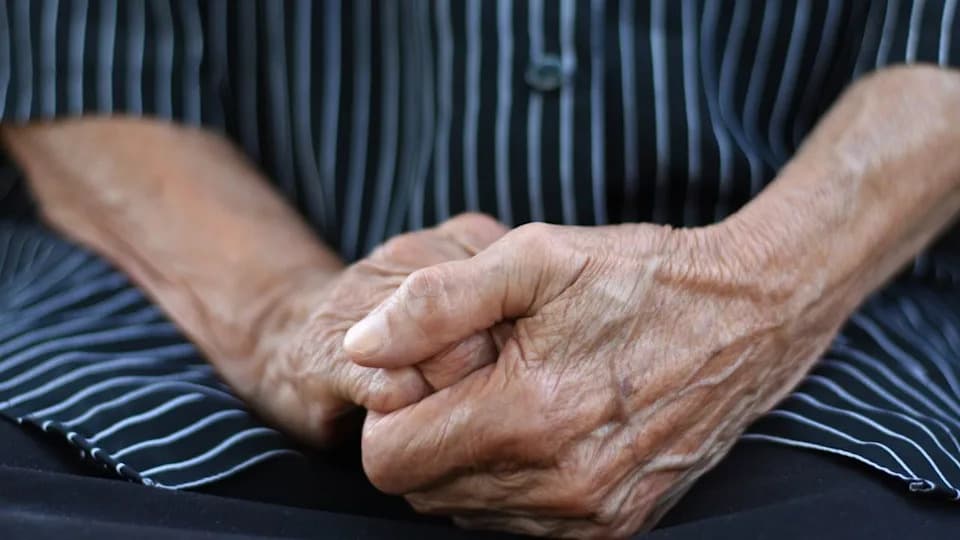
An elderly resident puts her hand on a face mask (AFP via Getty Images)
Key Findings
- Individuals who reached 100 years of age had a higher proportion of WHG ancestry than the typical sampled Italian population.
- Each modest increment in WHG‑related ancestry was associated with an approximately 38% higher odds of being a centenarian, according to the study.
- The association was stronger in women: women with higher WHG ancestry showed more than double the odds of reaching 100 compared with men in the study.
- None of the other tested ancestral components (Anatolian Neolithic, Bronze Age nomadic, Iranian/Caucasus) showed a statistically significant link to longevity in this sample.
Interpretation and Caveats
Authors of the paper, published in the journal GeroScience, propose that some beneficial variants may have entered the Italian gene pool in very ancient times and could have been favored during periods such as the Last Glacial Maximum, when harsh climates and scarce food would have selected for metabolic efficiency and stress resilience.
"We showed a greater contribution from Western Hunter‑Gatherer‑related ancestry to Italian centenarians, thus suggesting that this pre‑Neolithic genetic component ... could be beneficial for longevity today," the researchers write.
Importantly, this study is observational and shows an association, not proof of causation. The reported 38% figure refers to the model used in the study and should be interpreted cautiously — replication in other populations and functional follow‑up studies are needed to identify the specific genetic variants and biological mechanisms involved.
Implications
These results highlight how deep ancestral variation can contribute to modern human traits and motivate further research into genetic and biological pathways that promote healthy ageing. If confirmed, such findings could point to new targets for studying metabolism, cellular stress responses, and longevity.
Help us improve.