Kyrgyzstan’s newly elected parliament convened after a Nov. 30 snap election that left no opposition lawmakers and produced 87 deputies under a new three-per-constituency system; results in one constituency were annulled pending a rerun. Voter turnout was low at 36.9%. Observers said the vote was well run but warned that constitutional freedoms are increasingly constrained. Pre-election arrests and interrogations of opposition figures and journalists — at least 10 reported arrests — have raised concerns about political pressure ahead of future elections.
Kyrgyzstan's New Parliament Meets After Snap Vote — Opposition Left Without Seats as Rights Concerns Grow
The newly elected Jogorku Kenesh, Kyrgyzstan’s single-chamber parliament, met on Wednesday for the first time after a Nov. 30 snap election that bolstered President Sadyr Zhaparov’s hold on power amid growing concerns about restrictions on dissent.
Election Results and New System
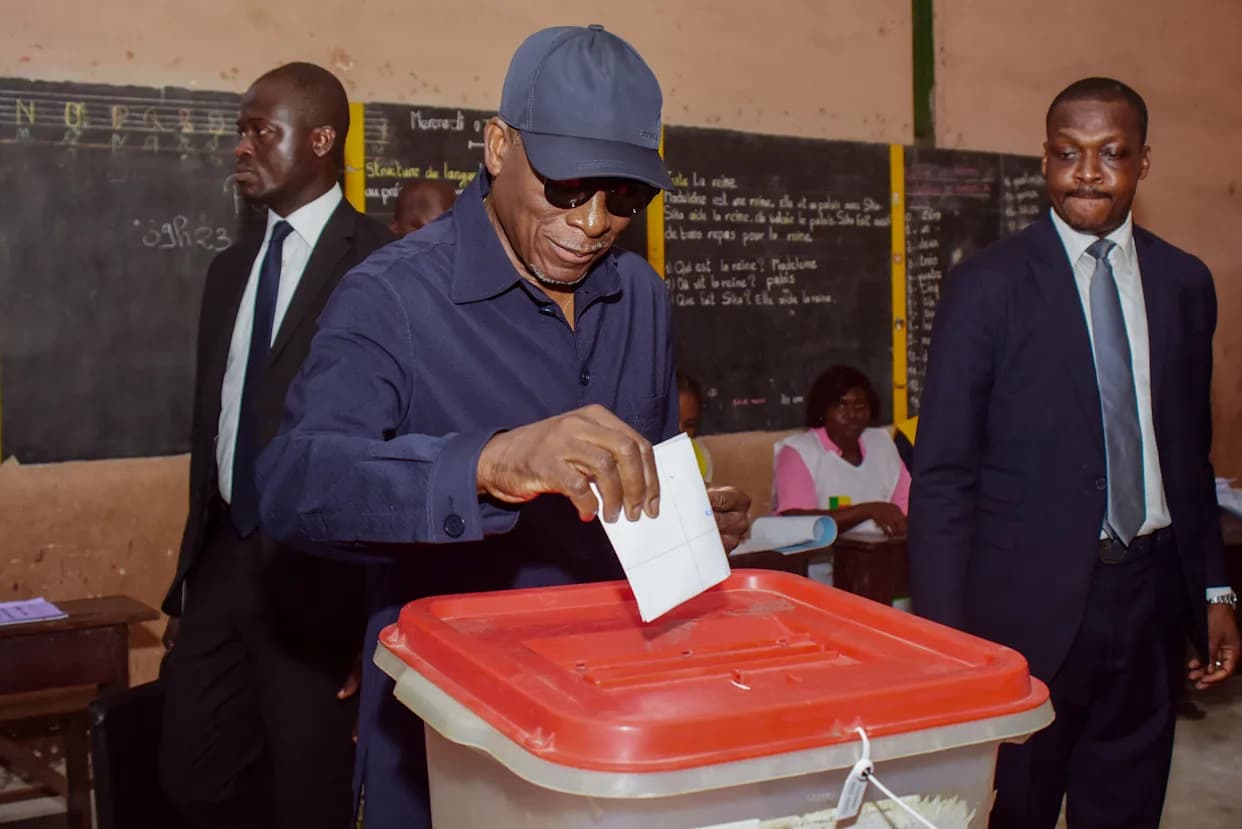
Officials announced that 87 deputies were elected under a revamped electoral system that divided the country into 30 constituencies, each electing three individual lawmakers rather than using party lists. One constituency’s results were annulled because of confirmed violations; a rerun will be held to fill those three seats. The legislature has 90 seats in total.
Turnout was low: the Central Election Commission recorded participation at 36.9%. Authorities argued the vote was brought forward by a year to avoid proximity to the 2027 presidential election.
Observers and Pre-Election Actions
The Organization for Security and Co-operation in Europe (OSCE) said the voting was well organized but warned that "while fundamental freedoms are protected by the constitution, they are increasingly limited in practice." In the week before the ballot, law enforcement carried out arrests, searches and interrogations targeting opposition figures and journalists — actions critics described as politically motivated.
The Interior Ministry reported at least 10 arrests of opposition figures. Several of those targeted were allies or relatives of former President Almazbek Atambayev, who governed from 2011 to 2017 and now lives in Spain; authorities detained Atambayev’s son and summoned his wife for questioning.
Political Reaction
"The root of all the problems hindering the country’s development has always been opaque parliamentary elections, corruption and the practice of coming to power through connections. Most importantly, we can say that political corruption has been eradicated under the new system,"
President Zhaparov made these remarks while defending the electoral changes and criticizing the previous administration. Political analysts described the vote as predictable. Emil Juraev, an independent analyst in Bishkek, told The Associated Press that the new assembly largely comprises lawmakers who "support or don’t criticize the policies of the president," and he suggested the parliamentary contest served as a rehearsal for the next presidential race.
What This Means
With no opposition representatives elected and a parliament seen as supportive of the executive, Kyrgyzstan faces questions about the balance of power, political pluralism and the space for dissent as it approaches future elections.
Help us improve.