Costa Rica’s legislature rejected a request from the Supreme Electoral Tribunal to strip President Rodrigo Chaves Robles of immunity so he could be charged with allegedly interfering in the February elections. Chaves denies wrongdoing and calls the probe politically motivated. He survived a similar immunity challenge in September related to corruption inquiries. The electoral case will be temporarily suspended and is expected to resume after his term ends on May 8.
Costa Rica Congress Blocks Bid To Strip President Chaves Of Immunity Ahead Of February Vote

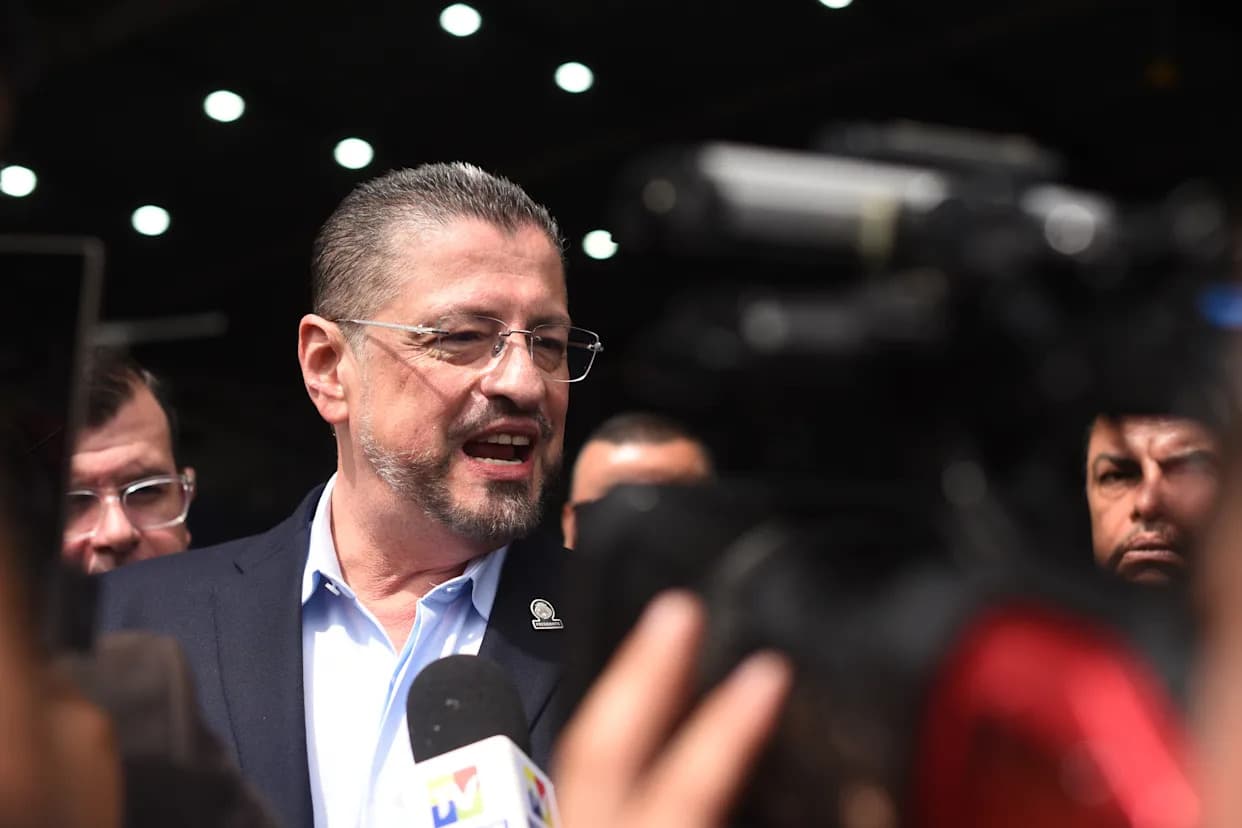
Costa Rican President Rodrigo Chaves speaks during a news conference regarding the seizure of four tons of drugs, at an air base in San Jose, Costa Rica, Friday, Nov. 28, 2025. (AP Photo/Jose Diaz)
SAN JOSÉ — Costa Rica’s legislature on Tuesday voted to reject a request from the Supreme Electoral Tribunal to remove President Rodrigo Chaves Robles’s legal immunity so he could be prosecuted for alleged interference in the upcoming February elections.
The Supreme Electoral Tribunal says Chaves repeatedly breached a law that bars sitting presidents from commenting on electoral matters or endorsing political groups, including their own party. The tribunal sought congressional approval to lift his immunity so it could pursue charges, but lawmakers turned the request down.
Chaves has denied any wrongdoing, calling the probe politically motivated. He previously survived a similar move in September, when the Supreme Court sought to lift his immunity to investigate separate corruption allegations.
Chaves’s Social Democratic Progress Party and allied deputies, who hold significant influence in the assembly though not an outright majority, helped secure the vote to keep his immunity intact. During a lengthy debate, Pilar Cisneros, a leader of the ruling party in Congress, defended the president, insisting no crime had been committed.
“Has President Chaves ever mentioned a candidate or a party for which to vote? No, he has not. He cannot be condemned for a crime that does not exist,” Cisneros said.
Opposition lawmakers argued that Chaves has used his weekly press conferences to urge that the next government have more lawmakers supporting it in Congress — a practice they say effectively seeks to influence the imminent vote.
Shortly after the congressional decision, the Supreme Electoral Tribunal said the case would be temporarily suspended and that proceedings will resume once Chaves’s immunity expires at the end of his presidential term on May 8. Under Costa Rican law, sitting presidents are barred from seeking immediate consecutive reelection, and Chaves is not eligible for a second consecutive term.
Officials found to have violated rules of neutrality can face penalties ranging from dismissal to a two- to four-year ban from holding public office.
Help us improve.