Lawmakers in Manila reconvened to decide whether two impeachment complaints against President Ferdinand Marcos Jr. have sufficient substance to proceed. The complaints allege betrayal of public trust, corruption tied to flood-control projects and permitting the transfer of ex‑President Duterte to face the ICC. If the House approves impeachment by a one‑third vote, the case would move to the Senate for trial; Marcos denies the allegations.
Philippine Lawmakers Reassess Impeachment Complaints Against President Marcos

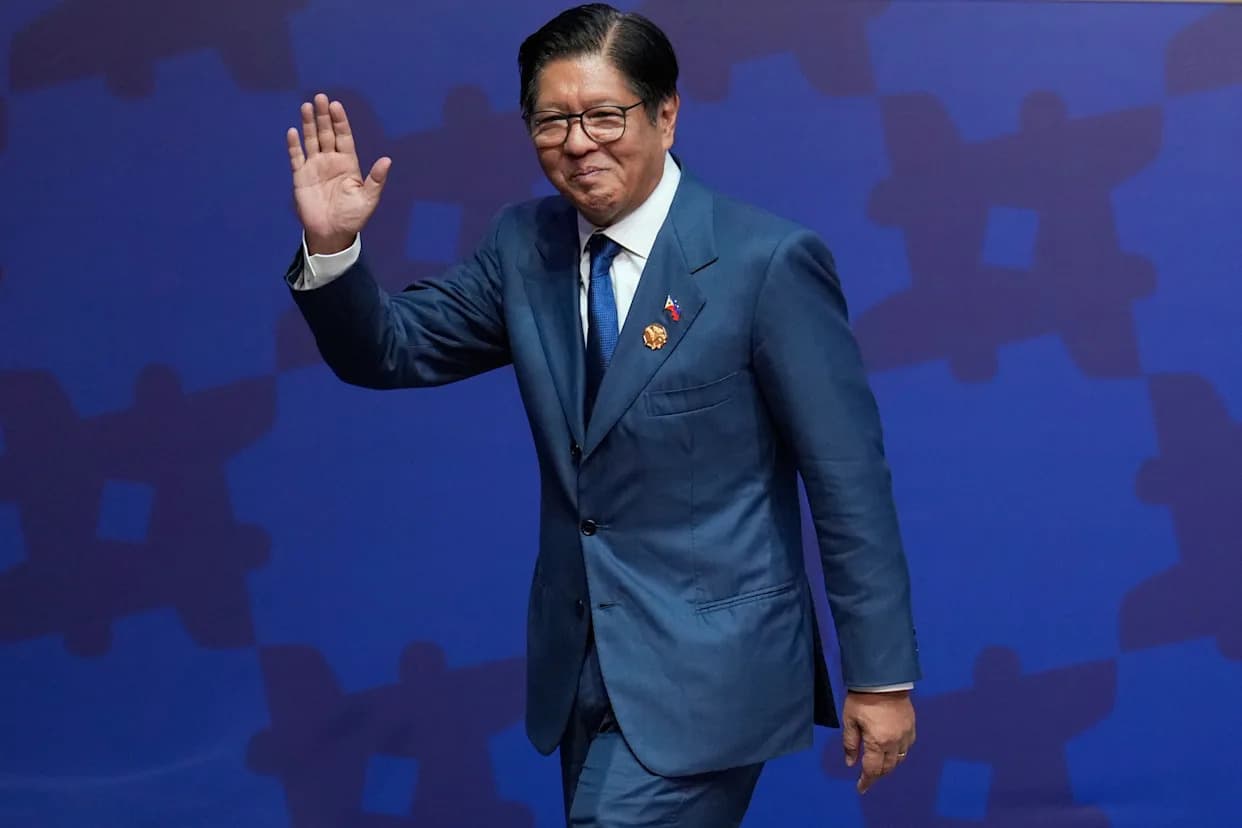
FILE PHOTO: Philippine President Ferdinand Marcos Jr. look on before the 28th ASEAN Plus Three Summit in Kuala Lumpur, Malaysia, Monday, October 27, 2025. Vincent Thian/Pool via REUTERS/File Photo
MANILA, Feb. 3 (Reuters) - Philippine lawmakers reconvened on Tuesday to decide whether two impeachment complaints against President Ferdinand Marcos Jr. carry sufficient substance to advance. The complaints accuse Marcos of betraying public trust, corruption tied to flood-control spending and enabling the transfer of former President Rodrigo Duterte to face proceedings at the International Criminal Court (ICC).
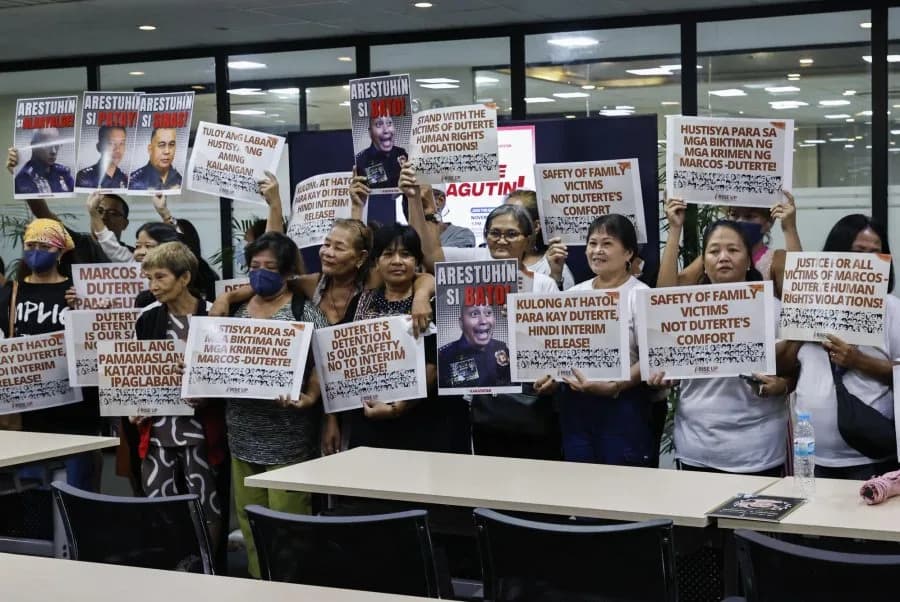
Marcos, midway through his six-year term, denies any wrongdoing. Two separate petitions—filed by a lawyer and by activists—cleared an initial procedural review on Monday when the House justice committee found them "sufficient in form." The committee met again to assess whether the allegations have "substance" that would justify forwarding the matter to a vote of the full House of Representatives.
What the Complaints Allege
The complaints allege three principal charges: betrayal of public trust, corruption related to the disbursement of funds for flood-control projects, and the decision to permit the arrest and transfer of ex-President Rodrigo Duterte to The Hague to face ICC proceedings over alleged killings during his "war on drugs." One complaint also accuses Marcos of illicit drug use, a charge the president has denied.
Procedure and Possible Outcomes
If the justice committee finds "substance," its recommendation will be put to a vote in the lower house, which is dominated by allies of the president. A one-third majority of the House is required to impeach. If impeached, the case would be forwarded to the Senate for trial, where 24 senators would act as jurors.
Historically, five high-level officials in the Philippines have faced impeachment; only one—an ex-chief justice—was convicted and removed from office.
Responses and Next Steps
The presidential office said Marcos respects the process. "Even before, the president already said he did not do anything wrong, did not violate the law and did not commit an impeachable offence," Presidential Press Officer Claire Castro told reporters on Monday.
Gerville Luistro, chair of the House justice committee, said the body will determine whether the alleged acts amount to impeachable offences under the Constitution. "It's not enough that an impeachable official committed wrongdoing. That wrongdoing must constitute an impeachable offence," Luistro told broadcaster Teleradyo. If the committee votes to advance the complaints, Marcos would be given the opportunity to respond to the allegations.
(Reporting by Mikhail Flores; Editing by Martin Petty)
Help us improve.