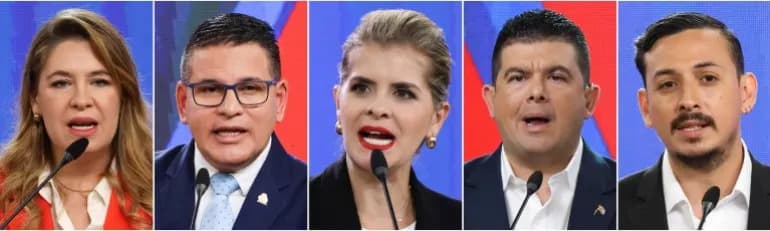
Costa Ricans appear ready to back Laura Fernández, President Rodrigo Chaves’ chosen successor, despite the country recording its highest homicides under his term. Crime and drug-trafficking remain voters’ top concerns, and Chaves has responded with tough-on-crime rhetoric and high-profile moves. Fernández could win outright if she reaches 40% of the vote; otherwise a runoff is scheduled for April 5. Nearly a third of likely voters remain undecided.
Costa Ricans Back Chaves’ Pick Laura Fernández Despite High Homicide Rates

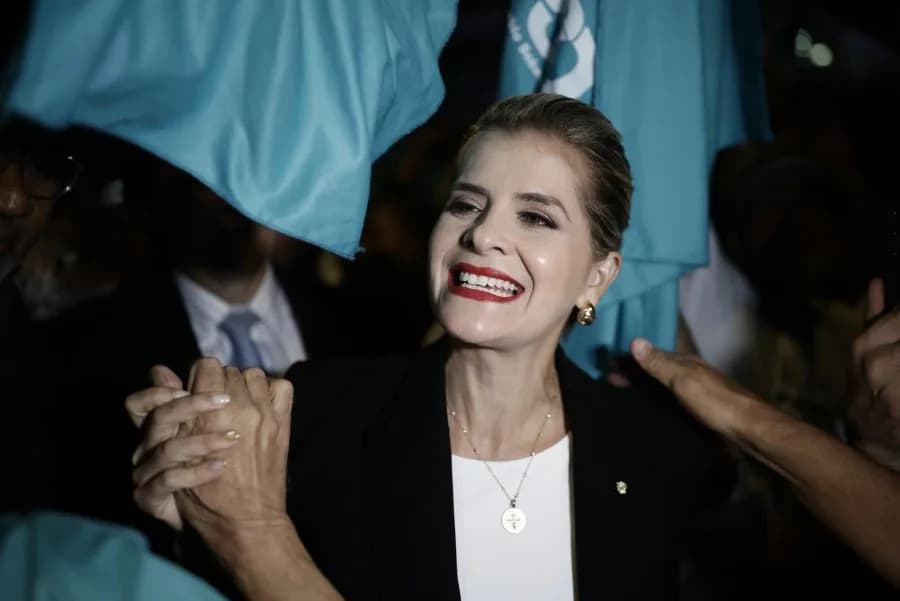
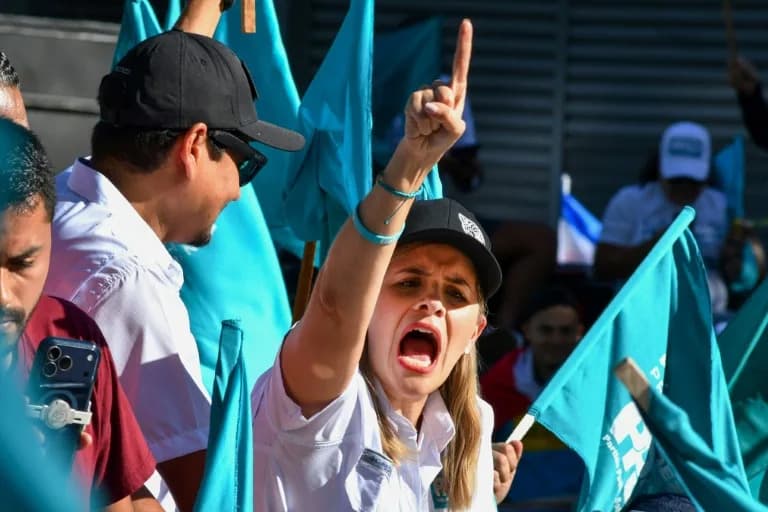
Costa Rican presidential candidate Laura Fernandez greets supporters during a campaign rally in San Jose, Costa Rica, Saturday, Jan. 24, 2026. (AP Photo/Carlos Gonzalez)(ASSOCIATED PRESS)
SAN JOSÉ, Costa Rica — Voters in Costa Rica appeared poised to support President Rodrigo Chaves’ chosen successor, Laura Fernández, in Sunday’s presidential election despite the country recording its highest homicide totals under Chaves’ administration. Crime and drug trafficking remain the central concerns driving voter decisions across the nation.
Crime, Drugs and Political Messaging
Drug trafficking groups are fighting to control both the domestic market and lucrative transshipment routes used to move cocaine to Europe and the United States. The small Central American nation, long associated with eco-tourism and a relaxed reputation, has seen a surge in violent crime in recent years.
Chaves has deflected full responsibility for the violence by blaming a permissive judiciary and weak predecessors, while he has cultivated support with tough-on-crime rhetoric and high-profile gestures. Earlier this month he invited El Salvador’s President Nayib Bukele to preside over the groundbreaking for a new prison, saying the project was inspired by Bukele’s hardline campaign against gangs.
Official totals show Costa Rica recorded 907 homicides in 2023. That figure fell to 880 in 2024 and fell slightly in the most recent year.
Politics and the Opposition
Chaves’ confrontational style — directed at the press, political opponents and the judiciary — has attracted a following. Analysts say his rise has been eased by a weakened opposition, which has been undermined by corruption scandals and appears unable to mount an effective challenge to the new style of politics he represents.
“They’ve known how to justify government inaction, they’ve been very belligerent in that and there hasn’t been a strong opposition voice to refute it,” said political analyst Fanny Ramírez.
The candidate for the National Liberation Party, economist Álvaro Ramos, polls well back in the field and may struggle to reach 10% of the vote. Former first lady Claudia Dobles, running for the Citizen Agenda Coalition, trails as critics continue to tie her to the administration of her husband, former President Carlos Alvarado.
Fernández’s Position And Legal Battles Over Campaigning
With the opposition fragmented, the field has cleared in a way that benefits Fernández, who served as Chaves’ minister of national planning and economic policy and more recently as his minister of the presidency. Chaves has repeatedly been cited for openly campaigning for Fernández — an act prohibited under Costa Rican election rules — and electoral authorities sought to strip him of immunity so he could be prosecuted, but those attempts failed. An earlier effort to lift his immunity over alleged corruption also did not succeed.
Voters will also elect all 57 members of the Legislative Assembly on Sunday, a result that could determine Fernández’s ability to govern if she wins.
Voices From The Street
María Ramírez, a vendor in the capital, said she planned to vote for Fernández and for Chaves’ Sovereign People’s Party, arguing that rival parties have tried to block Chaves’ agenda and that Fernández will need legislative allies.
“That’s why we have to support Ms. Laura so that she has enough support and they don’t block her in the Assembly,” Ramírez said.
Another voter, Edwin Alvarado, said he believed the economy was improving and that government institutions were working better for the public. “I am going to vote, very convinced, for Laura Fernández to continue the same line of good governance that we have had with Rodrigo Chaves, who came to this country to open our eyes” about traditional parties protecting privilege, he said.
What Comes Next
Recent polls suggest Fernández could reach the 40% threshold needed to win outright in the first round. If no candidate clears that mark, the top two vote-getters will face a runoff on April 5. Nearly a third of likely voters remain undecided, leaving room for late shifts in the race.
“People’s indecision so far seems to me oriented to seeing who could compete with Laura Fernández in the second round,” the analyst Fanny Ramírez added.
Help us improve.