With seven days until the Feb. 1 presidential election, ruling-party candidate Laura Fernández Delgado leads most polls and is within reach of a first-round victory, though a CIEP poll places her at 30%. High voter indecision (about 45%) and a crowded field of roughly 20 candidates keep the race fluid. Public security — underscored by a 2024 homicide rate of 16.6 per 100,000 and expanding organized crime in San José, Limón and Puntarenas — has dominated debates and could be decisive for voters.
Costa Rica Campaign Closes With Ruling Party Ahead — Security Concerns And High Voter Uncertainty Loom Over Feb. 1 Vote
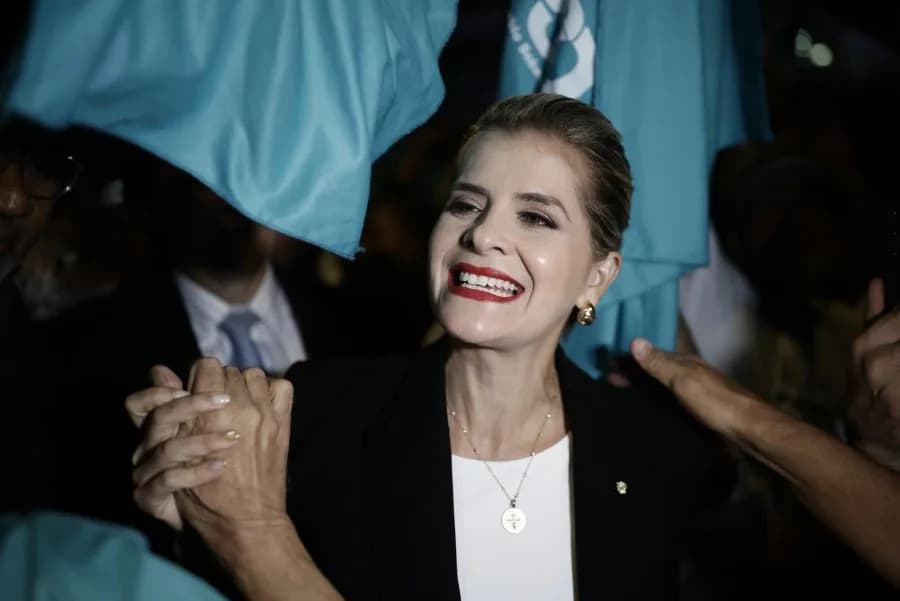
Laura Fernández Delgado, candidate of the ruling Partido Pueblo Soberano, is leading in polls one week out from Costa Rica's elections. File Photo by Jeffrey Arguedas/EPA
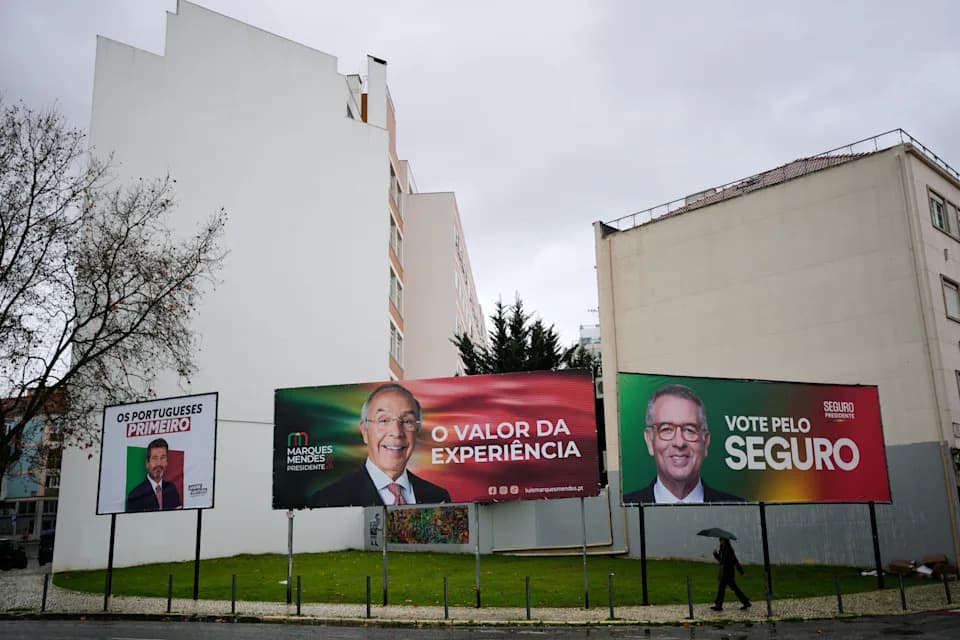
With one week to go before the presidential vote on Sunday, Feb. 1, Costa Rica closed its official campaign season amid deep political polarization and a surge of public concern about security. Most polls show the ruling party’s candidate, Laura Fernández Delgado, leading the field — but high levels of undecided voters and a crowded slate of contenders leave the outcome uncertain.
Polls And The Race For The Presidency
Recent surveys have placed Fernández, 39, at the head of the race: several polls put her near 40% — a share that would secure an outright first-round victory — while a prominent CIEP poll from the Universidad de Costa Rica registers her at about 30%. The race includes roughly 20 candidates, with Álvaro Ramos of the Partido Liberación Nacional polling below 8% and most other contenders registering under 2.3%.
High Voter Indecision
Despite Fernández’s lead, surveys report unusually high voter indecision — roughly 45% in some polls — reflecting political fragmentation and the large candidate field. That uncertainty means the current frontrunner’s advantage may not translate into a decisive first-round win.
Security Tops The Agenda
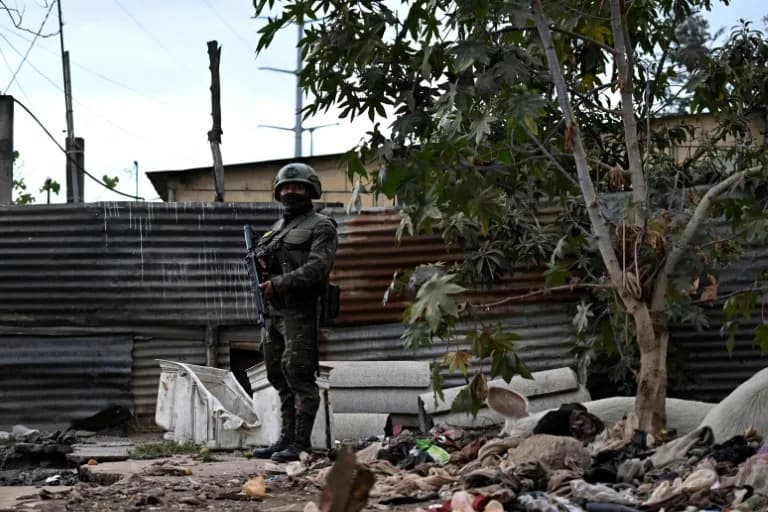
Public security dominated the campaign. Candidates broadly agreed during televised and university debates that solving the crisis requires more than additional policing: proposals focused on improved criminal intelligence, greater police deployment, stronger interagency coordination and efforts to reclaim neighborhoods affected by organized crime.
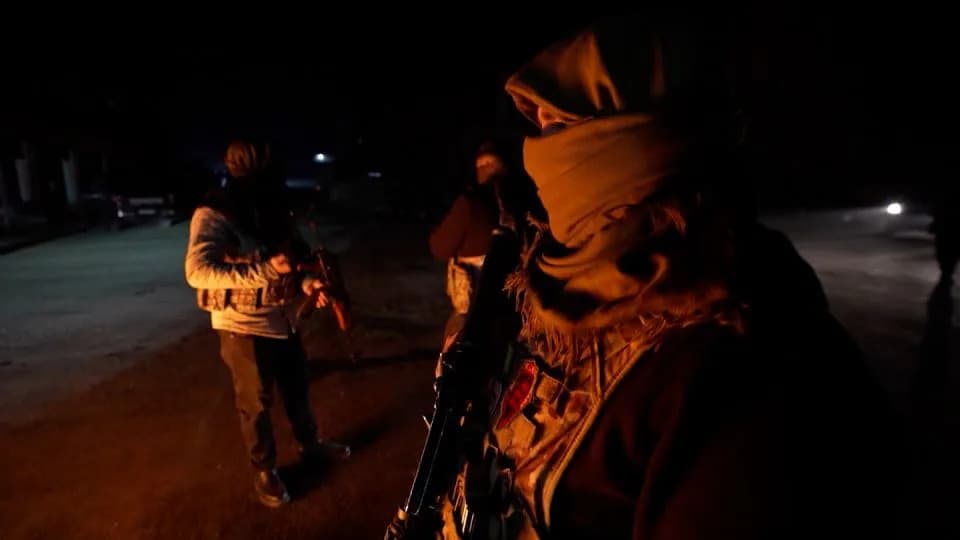
Once considered one of Central America’s safest countries, Costa Rica recorded a 2024 homicide rate of 16.6 per 100,000 inhabitants, placing it among the region’s higher rates. Organized criminal activity, driven largely by drug trafficking, has expanded in southern neighborhoods of San José and in the provinces of Limón and Puntarenas.
Political Context And Institutional Friction
The campaign has unfolded against the backdrop of a polarizing presidency. President Rodrigo Chaves, who is constitutionally barred from seeking re-election and is leaving office with approval ratings near 60%, has governed with a confrontational style and frequent institutional clashes. In October 2025 the Tribunal Supremo Electoral requested that the Legislative Assembly lift the president’s immunity to permit investigation of alleged breaches of electoral rules, including his involvement in campaign activities.
What’s At Stake
The Feb. 1 vote will test whether voter appetite for continuity and rejection of traditional politics can overcome widespread uncertainty and pressing public security concerns. With Fernández leading but a large share of voters undecided, the outcome could hinge on last-minute shifts and turnout — and on how effectively candidates address the country’s mounting security challenges.
Help us improve.