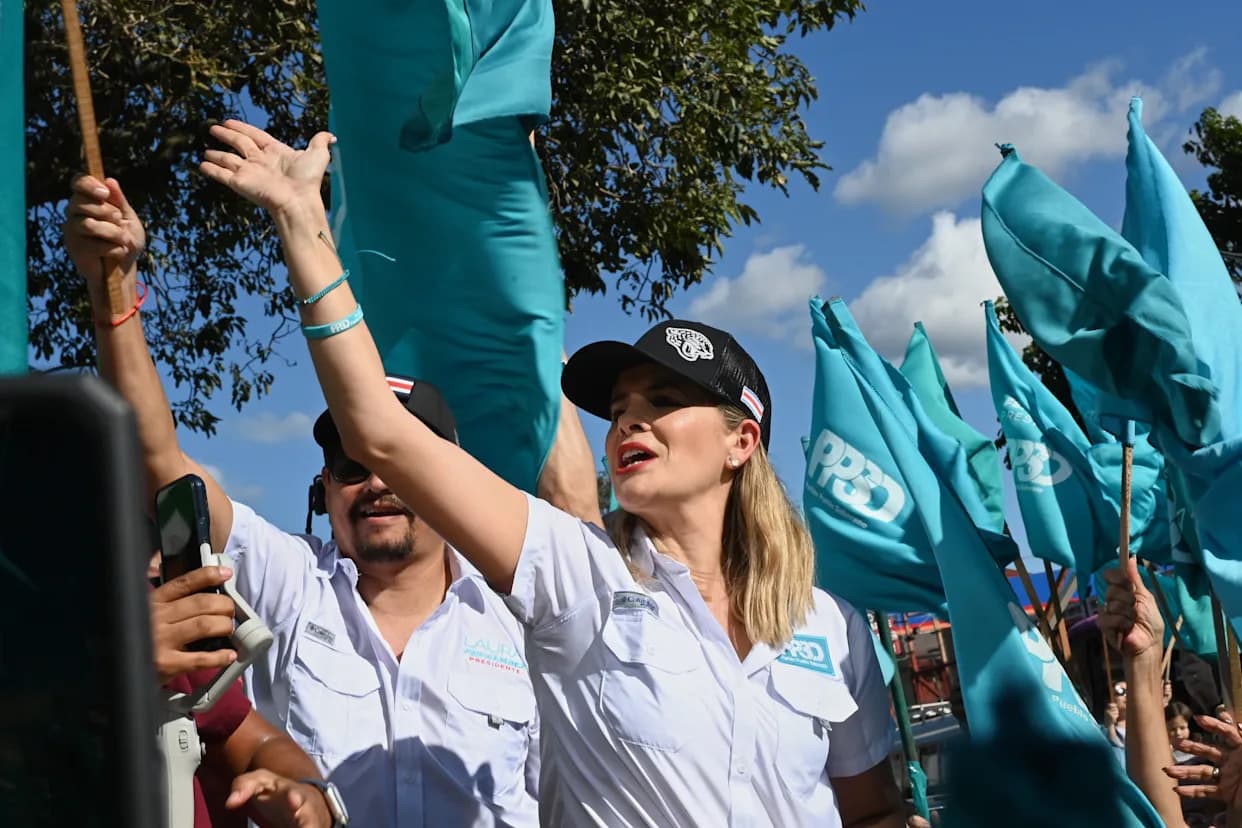
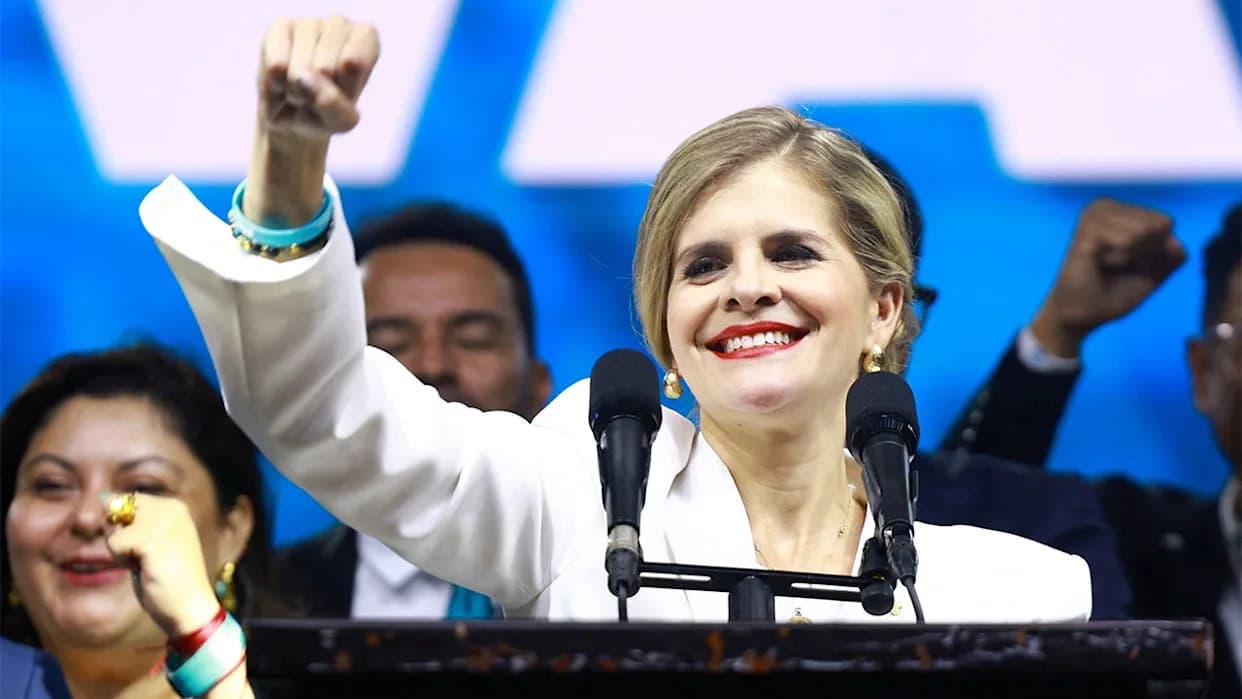
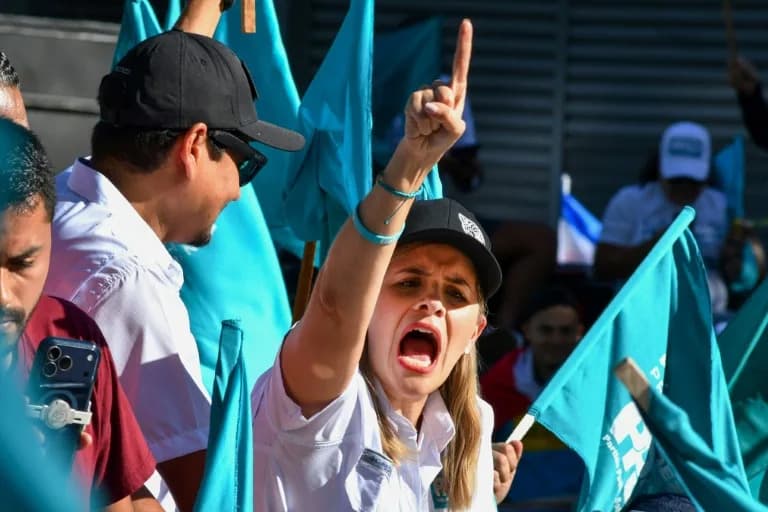
The ruling movement in Costa Rica is poised to extend its hold on the presidency in the February 1 election, but a large pool of undecided voters and a fragmented opposition keep the final outcome uncertain. Laura Fernandez, the continuity candidate for the Sovereign People Party (PPSO), leads recent polls and has pledged to continue many policies associated with outgoing President Rodrigo Chaves — including finishing a controversial mega‑prison project.
Election Snapshot
Voting takes place during a 12‑hour window on February 1. Voters will choose the president, two vice presidents and all 57 seats in the Legislative Assembly. A candidate must secure 40% of the vote to avoid a runoff; if no one reaches that threshold, the top two face off on April 5.
Turnout, Enthusiasm and The Undecided
More than 3.7 million Costa Ricans are eligible to vote. Although the constitution describes voting as a “compulsory civic function,” there are no penalties for not participating. A January 21 poll by the University of Costa Rica’s Centre for Political Research and Studies (CIEP) found that nearly 79% of respondents felt little or no enthusiasm about the campaigns. Still, more than 57% said they felt motivated to vote; about 19.5% said they had no desire to participate. Recent surveys suggest roughly one‑quarter to one‑third of voters remained undecided in the run‑up to the ballot.
Who Are The Main Contenders?
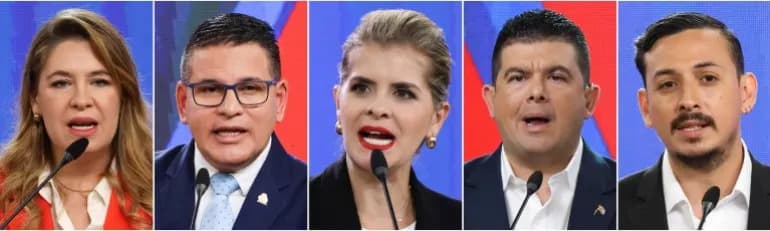
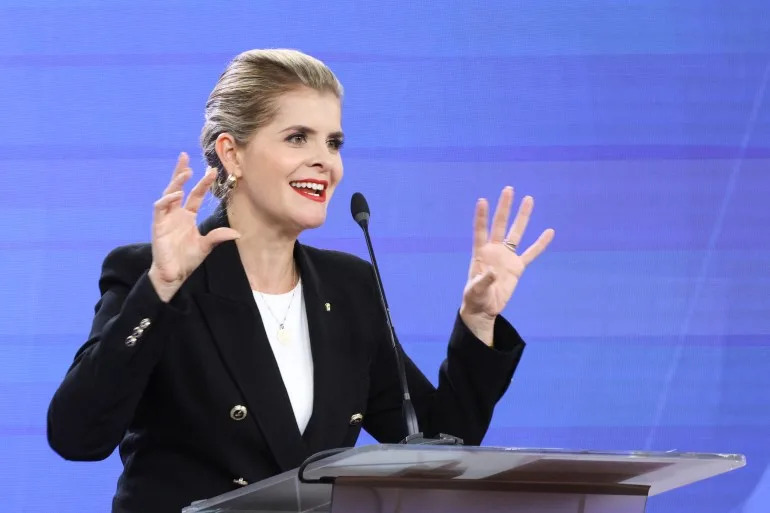
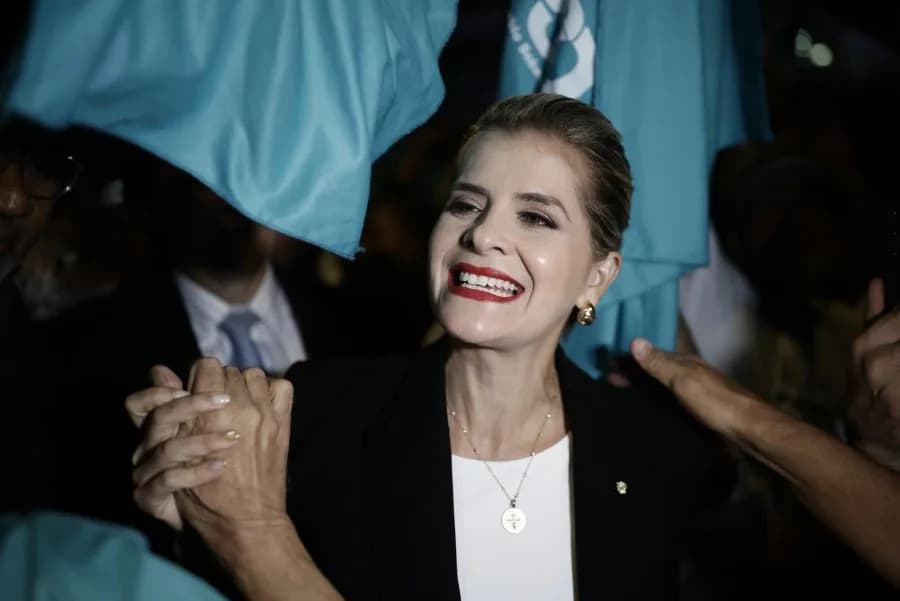
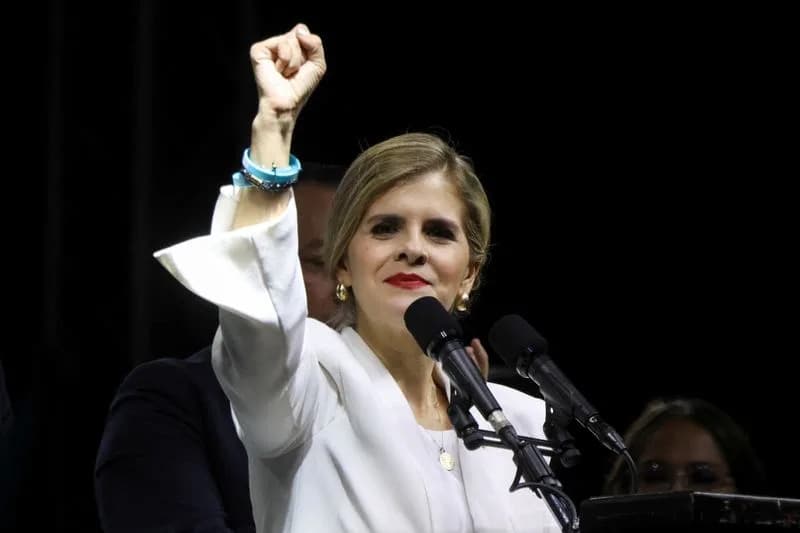
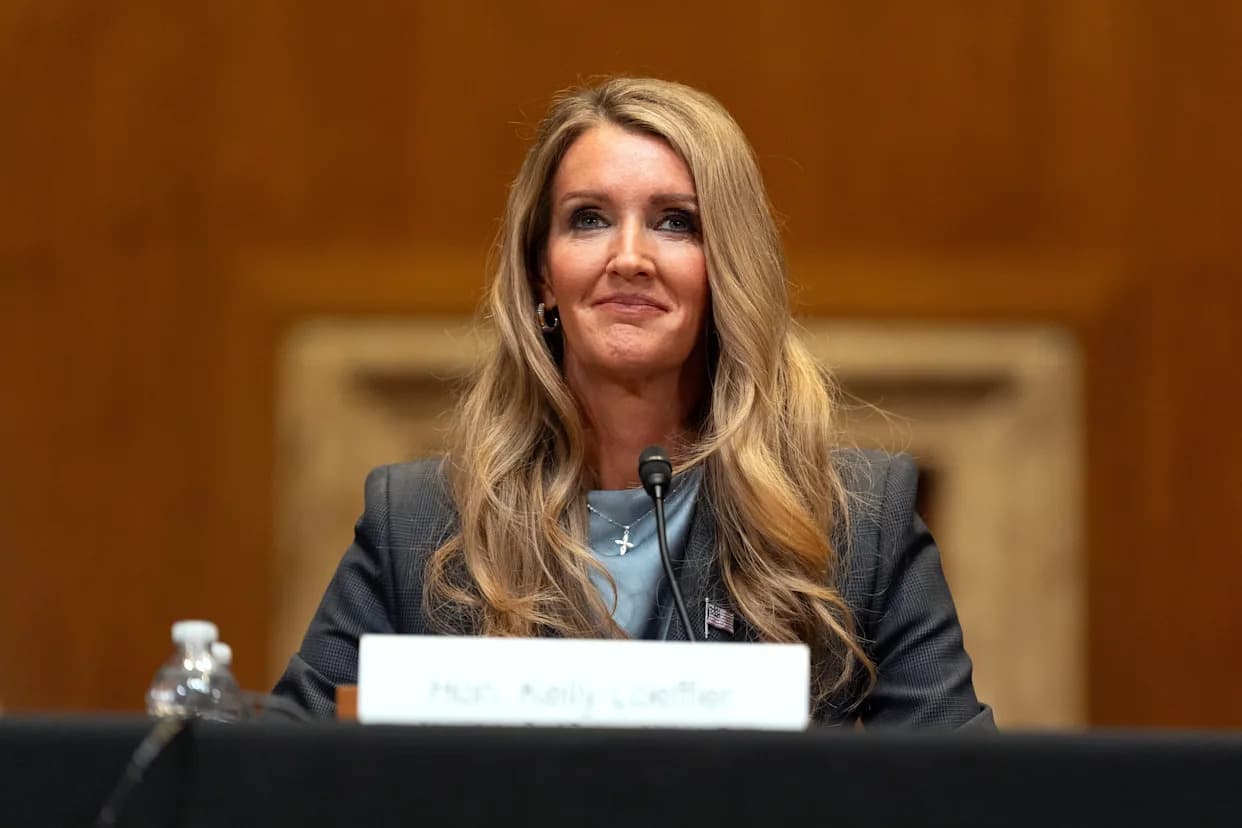
Laura Fernandez (PPSO) — A former government minister and chief of staff to President Rodrigo Chaves, Fernandez is running as a continuity candidate. She has promised to complete the maximum‑security prison project started under Chaves, supports mandatory prison labour and tougher sentencing, and has said she would appoint Chaves to her cabinet if she wins.
Costa Rican presidential candidate Laura Fernandez has promised continuity with the outgoing president [File: Mayela Lopez/Reuters]
Alvaro Ramos (National Liberation Party) — An economist who oversees aspects of the healthcare and pension systems, Ramos represents the centre‑left National Liberation Party, which once dominated Costa Rican politics but has seen recent declines in popularity.
Claudia Dobles (Citizen Agenda Coalition) — An urban planner and former first lady, Dobles is backed by a coalition that includes the Citizens’ Action Party and the National Democratic Agenda. She appeals to centre‑left voters seeking an alternative to both Chaves and traditional party structures.
Ariel Robles (Broad Front Party) — A 34‑year‑old legislator from the left‑leaning Broad Front, Robles aims to consolidate more radical left votes and channel dissatisfaction with the political status quo.
What the Polls Say
The latest CIEP poll published on January 28 put Fernandez at about 43.8%, a level that would allow her to clinch the presidency in the first round. Ramos trailed with 9.2%, Dobles at 8.6% and Robles at 3.8%. Undecided respondents made up roughly 26% of the sample, down from 32% the previous week — a reminder that late swings remain possible.
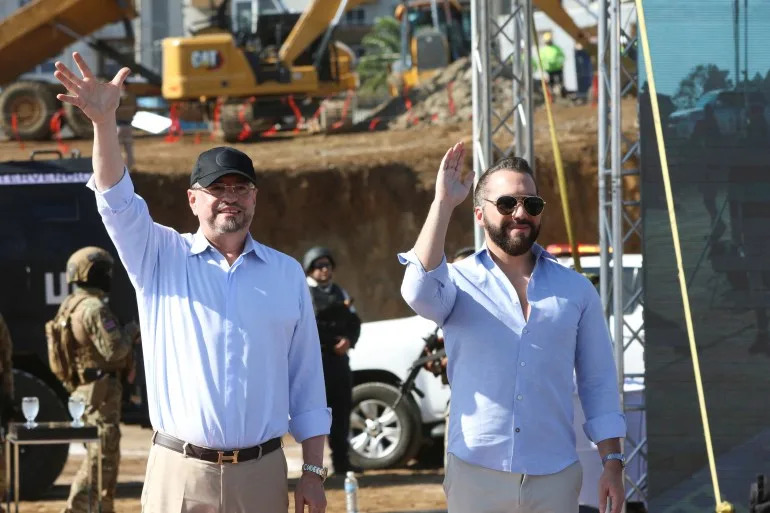
President Rodrigo Chaves Robles poses with El Salvador’s leader Nayib Bukele at the site of a future mega-prison in Alajuela, Costa Rica, on January 14 [Mayela Lopez/Reuters]
“Costa Rica is moving towards a political realignment,” said Ronald Alfaro, coordinator of the Public Opinion and Political Culture Unit at the University of Costa Rica.
Security Is Dominating The Agenda
National security has supplanted the economy as the top voter concern this cycle. Candidates across the spectrum have embraced tougher policies to confront rising crime. Fernandez’s platform centers on completing the mega‑prison to isolate organised‑crime leaders, along with mandatory prison labour and harsher sentences. Preliminary government figures show 873 homicides, down slightly from a peak of 907 and roughly on par with the previous year, underscoring growing public concern about violence and organised crime.
Right‑wing leaders elsewhere in Latin America have successfully capitalized on similar security fears; in the final days of the campaign, Chaves invited El Salvador’s President Nayib Bukele — known for hard‑line security tactics — to tour the new prison site.
Chaves’s Role Off The Ballot
Although President Rodrigo Chaves cannot run for consecutive terms, he has been an influential presence in the campaign. Analysts and electoral authorities have raised concerns about his active involvement. Chaves faces accusations of illegal campaign interference; the head of the Supreme Electoral Tribunal (TSE) has accused him of “threatening the peace and political stability of the country.” Observers warn that his personalistic style of politics and efforts to influence the race break longstanding Costa Rican norms that traditionally keep sitting presidents above active campaigning.
What Could Change The Outcome?
The combination of a fragmented opposition and a significant undecided bloc makes surprises possible. Recent elections have seen late surges from candidates who started with low polling numbers. Analysts caution that although Fernandez appears well positioned for a first‑round victory, late momentum for another contender could still force a runoff.
Bottom line: The race looks favorable for the ruling movement, but late undecided voters, shifting priorities and a splintered opposition mean the result is not guaranteed.