Guatemala has seen a surge in gang violence after a prison mutiny led to the killing of 10 police officers and a 30-day state of emergency. Authorities blame powerful gangs Barrio 18 and MS-13 for orchestrating prison uprisings and retaliatory attacks. President Bernardo Arévalo and former prosecutors accuse "political-criminal" networks and some officials of enabling organized crime as the government prepares key judicial appointments ahead of next year’s election.
Guatemala’s Gang Violence Escalates: Prison Mutiny, Deadly Retaliation and a Political Showdown
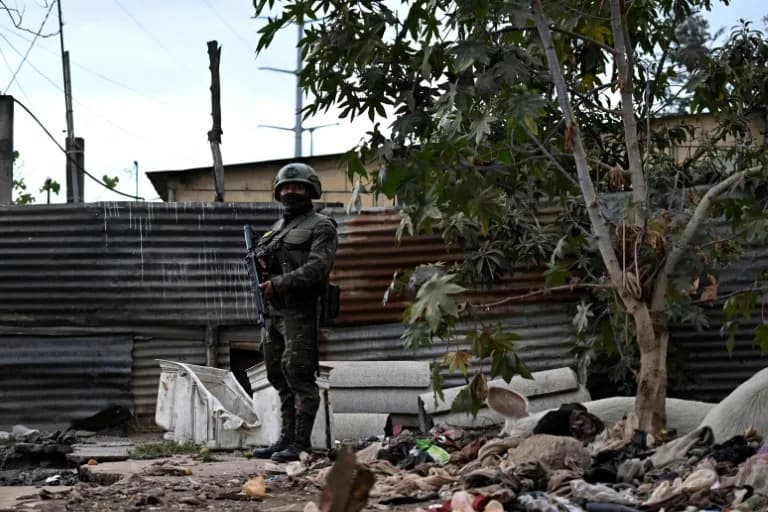
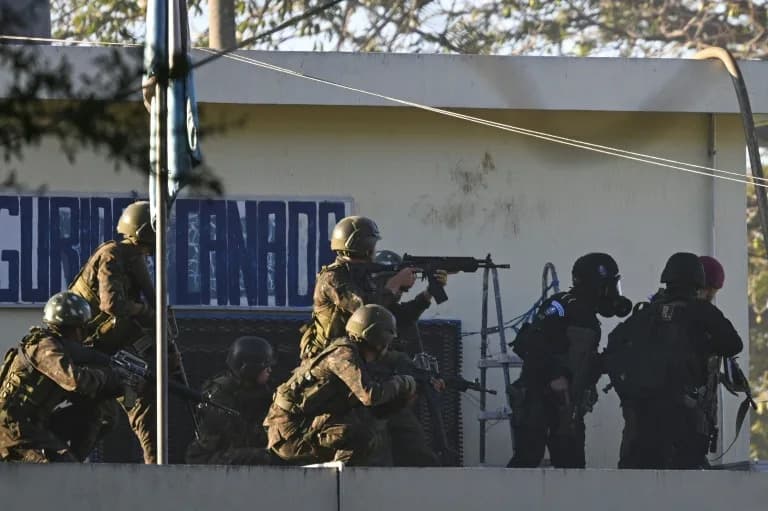
Guatemala's President Bernardo Arevalo has declared a 30-day state of siege over a surge in gang violence (Johan Ordóñez)(Johan Ordóñez/AFP/AFP)
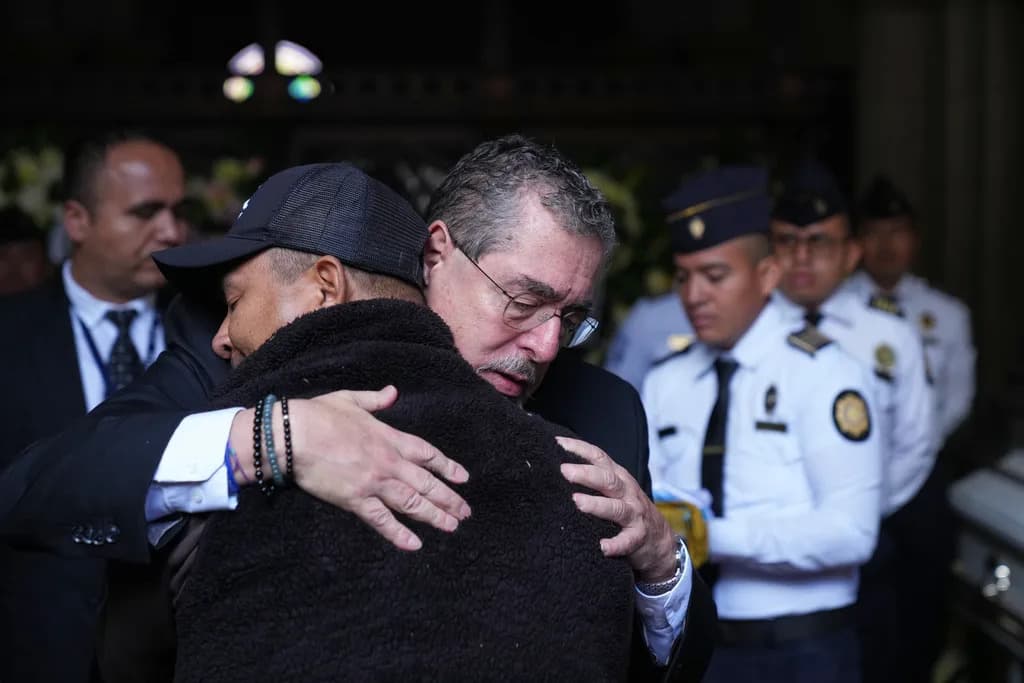
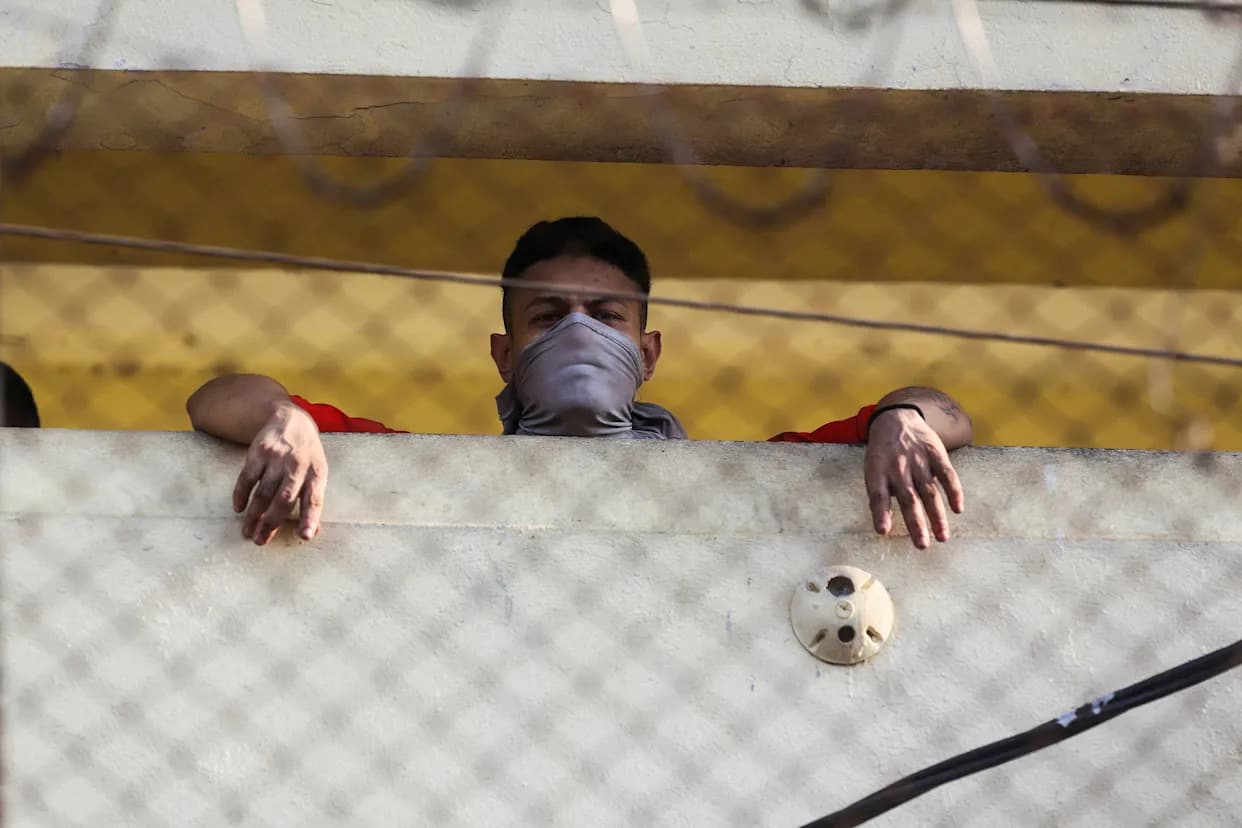
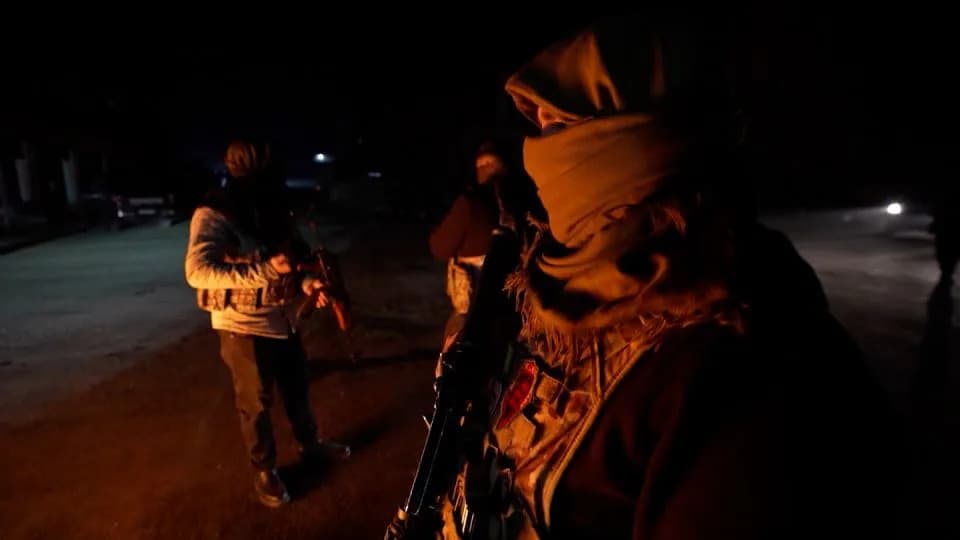
Guatemala is grappling with a sharp rise in gang-related violence that culminated in the killing of 10 police officers and prompted President Bernardo Arévalo to declare a 30-day state of emergency. The wave of unrest followed a prison mutiny in which inmates seized dozens of guards to demand transfers to facilities with laxer conditions.
The government says the powerful Barrio 18 gang — and its rival Mara Salvatrucha (MS-13) — exert deep influence over the country's penitentiary system and orchestrated the retaliatory attacks after security forces moved to retake control of several prisons.
How the Crisis Unfolded
Authorities report that gang members at three prisons took guards hostage, demanding that high-profile incarcerated gang leaders be moved out of a maximum-security complex. When police and military units entered the facilities to reestablish control, security forces say the gangs launched coordinated attacks in retaliation.
The unrest highlighted long-standing problems inside Guatemala’s prisons: alleged collusion by some officials, continuing criminal orders issued from behind bars, and repeated incidents of escapes and uprisings. In October, for example, an escape of around 20 gang leaders from another prison — in which only six were recaptured and one was killed — triggered a political crisis and the dismissal of the interior minister.
Political Fallout and Accusations
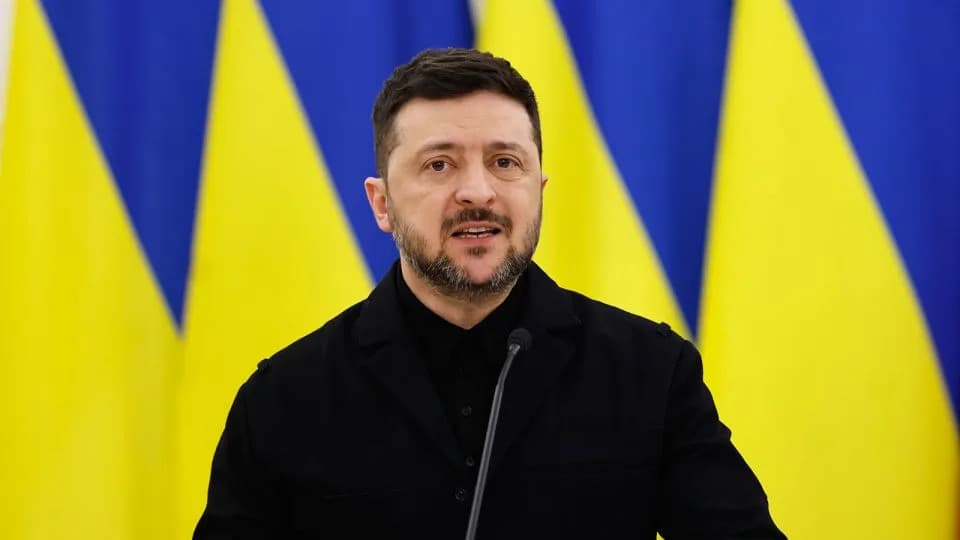
President Arévalo blamed entrenched "criminal-political elites" who, he said, fear losing control of networks of corrupt deals. Former anti-gang prosecutor Juan Francisco Sandoval, who fled to the United States after being removed from his post in 2021 while investigating corruption, also blamed "political-criminal networks."
Attorney General Consuelo Porras — a vocal opponent of Arévalo who has been sanctioned by the United States and the European Union over alleged corruption — denies shielding criminals. Porras has repeatedly challenged Arévalo politically and is due to leave office in May, when the president will name her successor.
Prison Leaders and Gang Strategy
Officials say the recent prison riot was led by Aldo Dupié, alias "El Lobo" (The Wolf), who reportedly demanded a transfer to a facility with less restrictive conditions and improved amenities. The government says top Barrio 18 leaders retained the ability to order executions, traffic drugs and extort from inside prison walls, prompting transfers to higher-security sites last year — a move that escalated tensions.
Observers and former prosecutors warn the violence may be part of a broader campaign to destabilize the Arévalo administration ahead of key judicial appointments — including seats on the Constitutional Court and Supreme Electoral Tribunal — and ahead of next year’s general election.
Election Risks and Regional Context
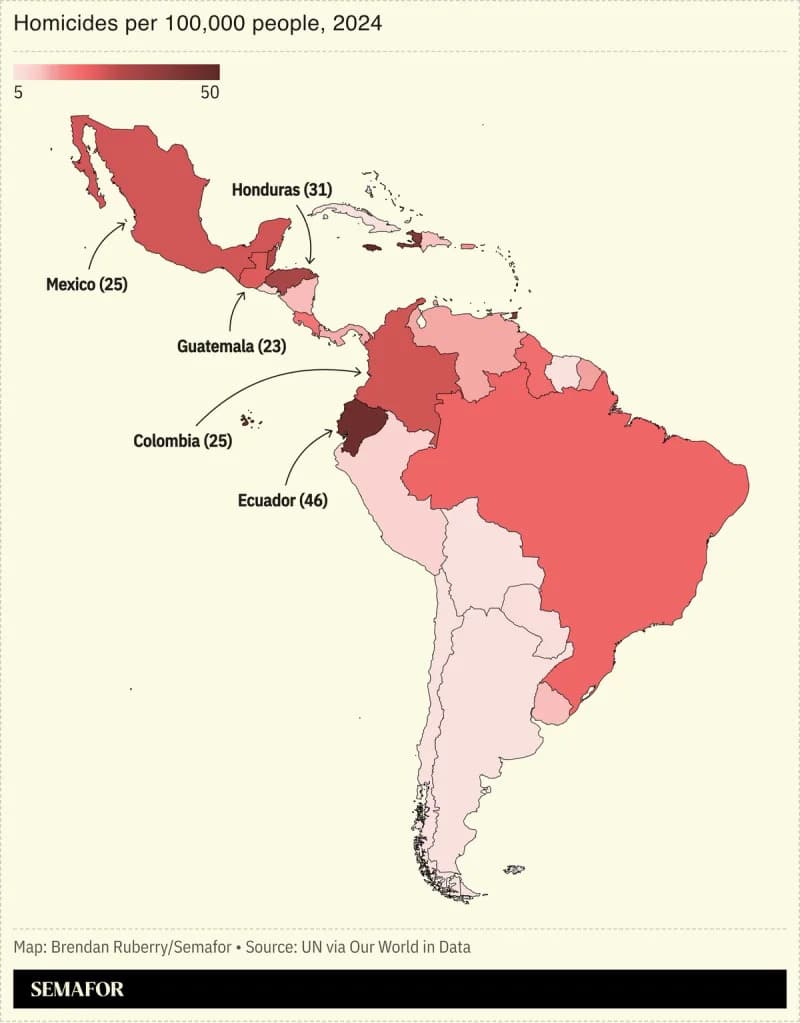
Interior Minister Marco Antonio Villeda has warned that organized crime could try to interfere in electoral politics, noting that profits from drug trafficking and extortion provide gangs with resources to fund candidates and influence outcomes. The spike in violence comes as voters across the region increasingly demand tougher "mano dura" approaches to crime, inspired in part by hardline tactics in neighboring countries.
What to watch next: appointments to the attorney general's office and the Constitutional Court in May, government efforts to root out corrupt officials, and security measures ahead of next year’s election.
Help us improve.