Chile's president-elect José Antonio Kast toured El Salvador's controversial Terrorism Confinement Center (CECOT) ahead of security talks with President Nayib Bukele. The facility, which can hold up to 40,000 inmates across eight cellblocks, has been criticized for harsh conditions, reports of torture and limited due process. Human rights groups say at least 480 people have died in detention since a state of emergency began in early 2022. Kast said Chile will study Salvadoran practices but did not commit to replicating them exactly.
Chile’s President-Elect Tours Controversial El Salvador Mega-Prison Ahead Of Security Talks With Bukele
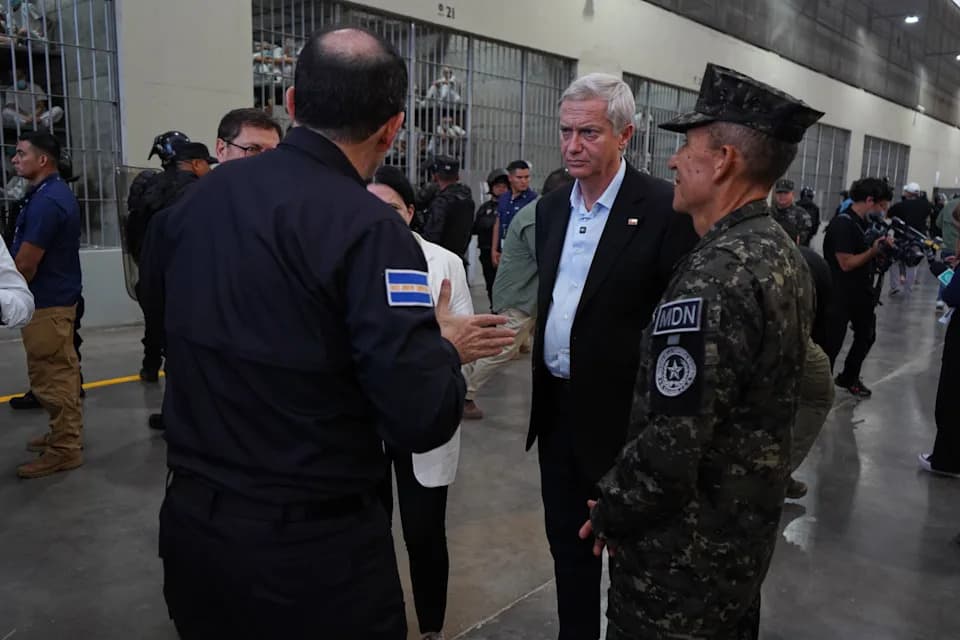
Chile's President-elect Jose Antonio Kast, center, is given a tour of the mega prison known as Detention Center Against Terrorism (CECOT) in Tecololuca, El Salvador, Friday, Jan. 30, 2026. (AP Photo/Salvador Melendez)(ASSOCIATED PRESS)
Chile's president-elect José Antonio Kast visited El Salvador's sprawling Terrorism Confinement Center (CECOT) on Friday as part of a planned meeting with President Nayib Bukele to discuss strategies for confronting organized crime.
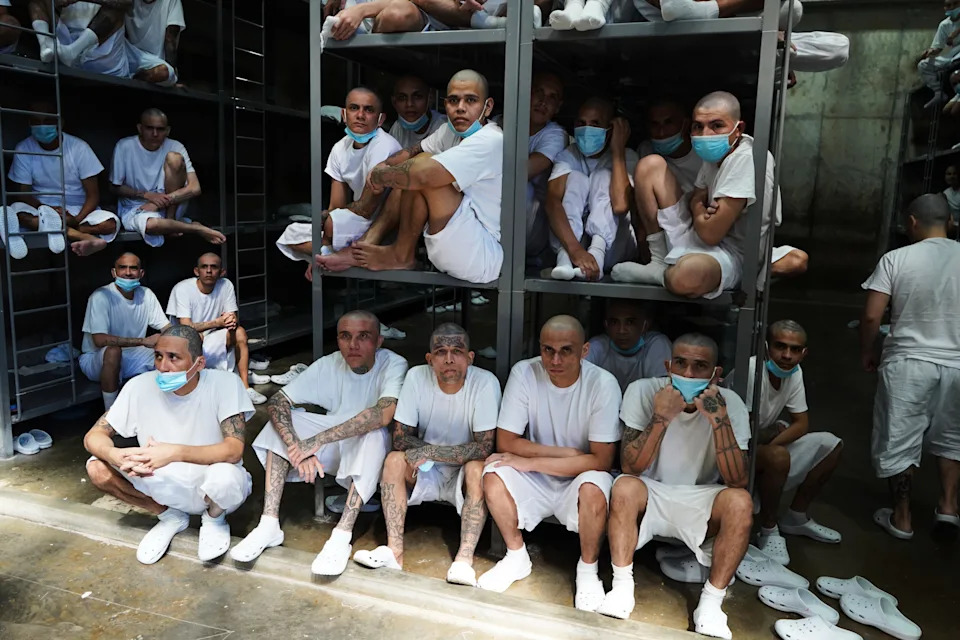
Prisoners sit inside a cell at the mega the prison known as Detention Center Against Terrorism (CECOT) in Tecololuca, El Salvador, Friday, Jan. 30, 2026, during a tour for Chile's President-elect Jose Antonio Kast. (AP Photo/Salvador Melendez)(ASSOCIATED PRESS)
Visit Highlights Salvadoran Security Model
CECOT has become a high-profile symbol of Bukele's hard-line approach to gangs. The facility has drawn sustained allegations of human rights violations even as right-leaning leaders across the region cite it as a model for tough security measures. Kast, who campaigned on promises to crack down on crime, posted an image on X showing him traveling by helicopter to the site with his security minister and said Chile should 'import good ideas' to combat organized crime, drug trafficking and terrorism.
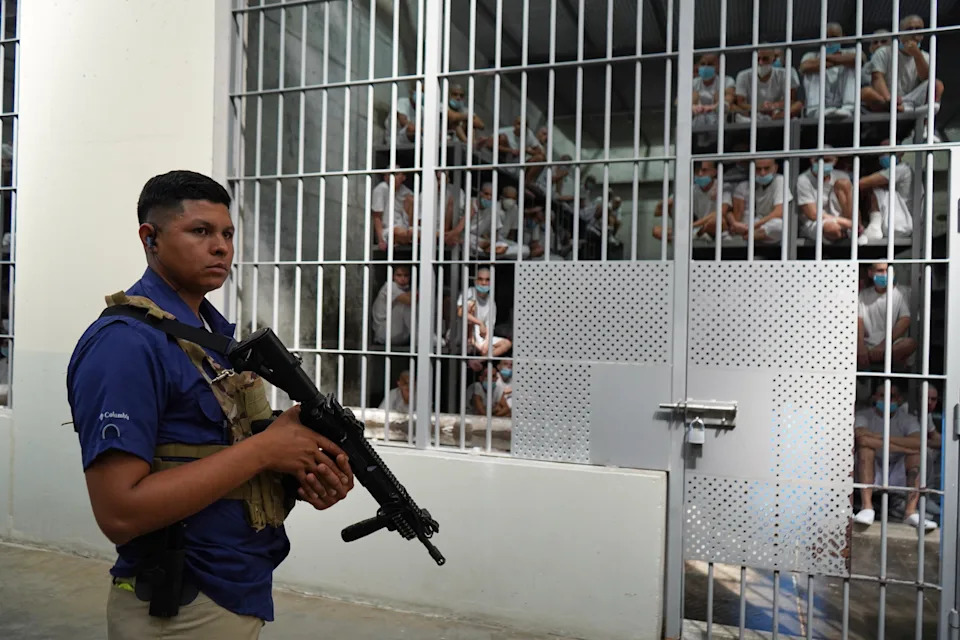
A guard stands next to prisoners behind bars at the mega prison known as Detention Center Against Terrorism (CECOT) in Tecololuca, El Salvador, Friday, Jan. 30, 2026, during a tour for Chile's President-elect Jose Antonio Kast. (AP Photo/Salvador Melendez)(ASSOCIATED PRESS)
Officials Say Chile Will Study, Not Necessarily Replicate
El Salvador's presidential office said Chile's incoming government wants direct exposure to the Salvadoran security model to evaluate whether and how aspects could be adapted to Chile's context. 'We are ready to work hand-in-hand with our Chilean brothers,' the office said. Kast stressed that the Salvadoran system differs from Chile's and said his visit was intended to study and understand it rather than to copy it verbatim.
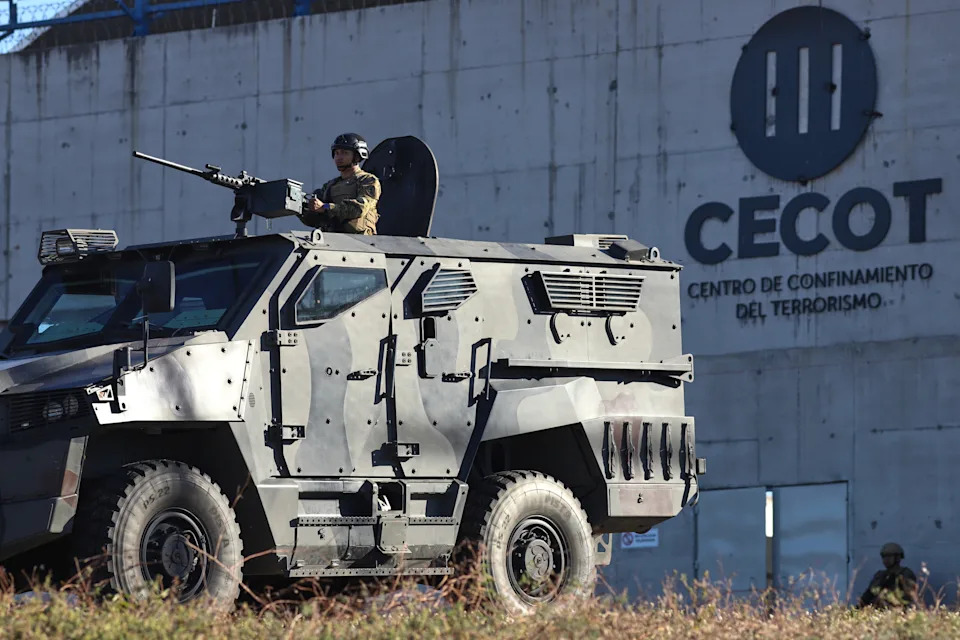
A armored vehicle is parked outside the mega prison known as Detention Center Against Terrorism (CECOT) in Tecololuca, El Salvador, Friday, Jan. 30, 2026, during a tour for Chile's President-elect Jose Antonio Kast. (AP Photo/Salvador Melendez)(ASSOCIATED PRESS)
Human Rights Concerns
Human rights organizations and international observers have sharply criticized CECOT and measures taken under Bukele's state of emergency, which began in early 2022. Critics say some constitutional protections were suspended and many people were detained with limited access to due process. The human rights group Socorro Juridico reported this week that at least 480 people have died in detention since the state of emergency was declared. Rights monitors have documented allegations of torture and extremely harsh conditions inside CECOT.
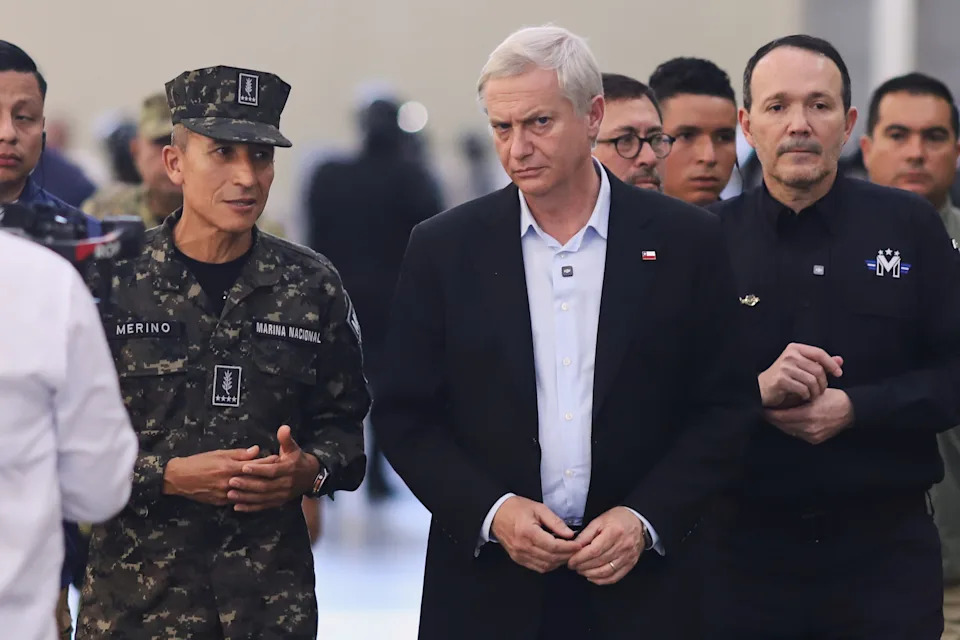
Chile's President-elect Jose Antonio Kast is given a tour of the mega prison known as Detention Center Against Terrorism (CECOT) in Tecololuca, El Salvador, Friday, Jan. 30, 2026. (AP Photo/Salvador Melendez)(ASSOCIATED PRESS)
International attention: Earlier this year the U.S. government under the Trump administration deported more than 200 Venezuelans to El Salvador, and some were reportedly held at CECOT.
Conditions And Capacity
CECOT is reported to have capacity for up to 40,000 inmates and is organized into eight large cellblocks. Reports indicate each cell can hold roughly 65–70 prisoners; inmates face strict isolation, no visitation, and limited or no access to outdoor time, workshops, education, or reintegration programs.
Regional Implications
The visit comes amid a regional trend toward tougher prison measures: Costa Rica has begun building a maximum-security prison modeled on CECOT, Honduras proposed placing gang detainees on a remote island, and countries such as Ecuador and Guatemala have adopted stricter tactics to confront gang violence. Kast and his delegation met with El Salvador's security cabinet and toured a cellblock before a planned private meeting with President Bukele at the presidential palace.
What remains uncertain: Whether Chile will integrate elements of the Salvadoran model, and if so, how it would do so while addressing legal safeguards, human rights obligations, and differences in judicial and social contexts.
Help us improve.