Researchers at Touro University Nevada report that extracellular vesicles (EVs) in blood can bind hormone precursors such as POMC and help transport them systemically, including across vascular barriers that protect the brain. The PNAS study found about a fourfold increase in POMC on EVs after intense exercise, and lab models showed vesicles crossed barrier models more easily than free hormones. The finding suggests a potential link between exercise and brain chemistry and may inform future research on mental health, metabolism and targeted drug delivery.
Exercise May Help Shuttle Hormone Precursors Into The Brain, Nevada Study Finds

LAS VEGAS — Researchers at Touro University Nevada report a new mechanism by which the body moves hormone precursors through the bloodstream — and that vigorous exercise markedly accelerates the process.
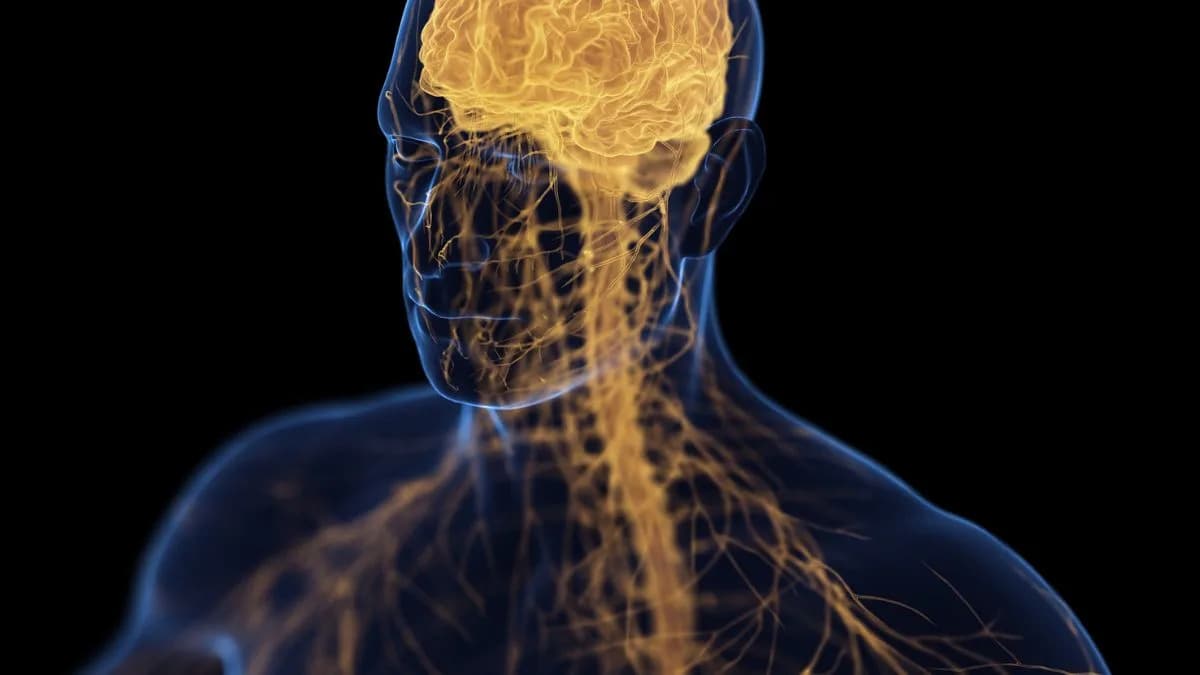
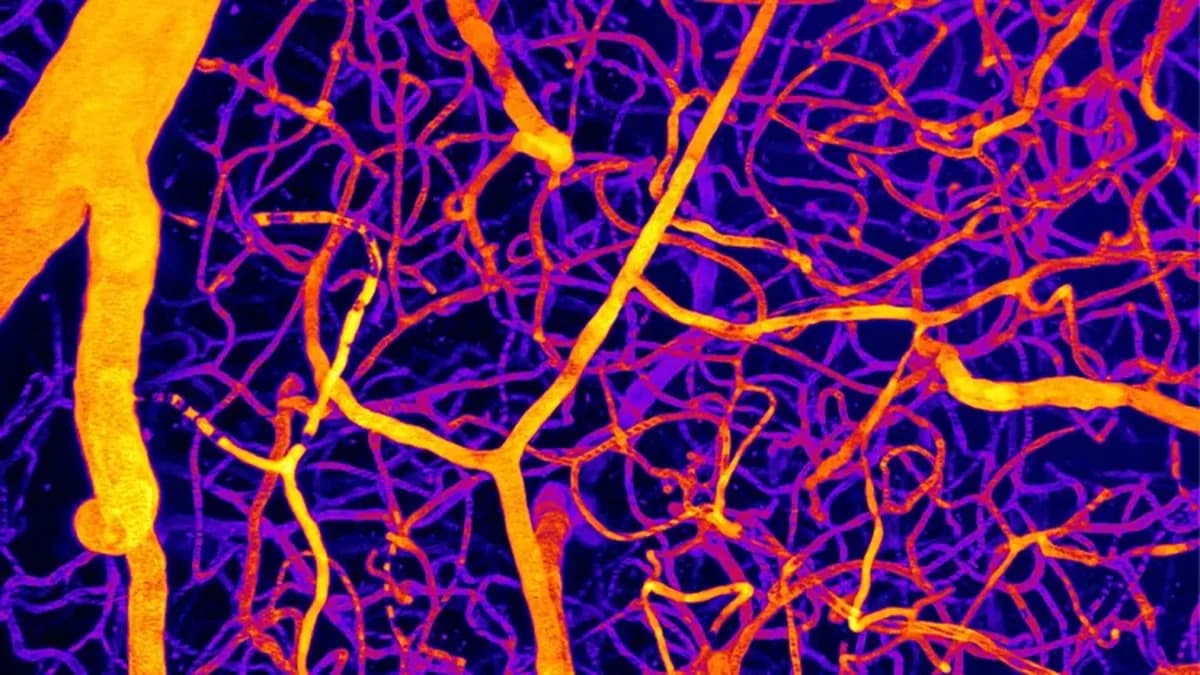
Published in the Proceedings of the National Academy of Sciences (PNAS), the study shows that tiny, naturally occurring particles in blood called extracellular vesicles (EVs) can bind to hormone precursor molecules and carry them throughout the body. The investigators found these vesicles can even cross vascular barriers that normally limit passage to sensitive organs such as the brain.
How Exercise Changes Hormone Transport
The team focused on proopiomelanocortin (POMC), a precursor molecule that is processed into compounds including endorphins (associated with post‑exercise euphoria) and adrenocorticotropic hormone (ACTH), which is involved in the stress response. After intense physical activity, researchers observed roughly a fourfold increase in the amount of POMC attached to extracellular vesicles compared with resting conditions.
"This study doesn’t just show an ‘exercise effect,’" said Dr. Mark Santos, assistant professor at Touro University Nevada. "It reveals a biological mechanism in which exercise‑induced stress makes EVs temporarily act as hormone transport shuttles in the bloodstream."
Lab Tests Show Easier Passage Across Vascular Barriers
Laboratory experiments indicated that hormone‑carrying vesicles crossed human vascular barrier models — including models of the blood‑brain barrier — more readily than the same hormones traveling unbound. That suggests EVs may facilitate delivery of signaling molecules to the brain during or after acute physical stress.
Co‑lead Dr. Aurelio Lorico, a pathology professor at Touro, noted that the finding opens new avenues for understanding how exercise influences the body at a molecular level and how these mechanisms might be harnessed for medical purposes.
Scientists emphasize that further research is needed to determine what these hormone precursors do after they reach the brain, how long they remain active, and whether this pathway operates in the same way in humans in everyday settings. If validated, the mechanism could have implications for research into mental health, metabolism, inflammation, pain regulation and novel drug‑delivery strategies.
For the public, the study provides another reason to stay active: exercise may alter brain chemistry through previously unrecognized transport processes that researchers are only beginning to understand.
Help us improve.