The analysis of 1,240 wastewater samples from 351 cities in 111 countries found that latent antimicrobial-resistance genes (ARGs) are widespread and can outnumber known active ARGs. Using functional metagenomics, researchers detected genetic variants that are not currently expressed but could be activated in the future. Authors recommend routine wastewater surveillance include latent ARGs to anticipate emerging threats and inform antibiotic development and public-health responses.
Hidden Sewage Reservoirs May Fuel Tomorrow’s Superbugs — Global Study Finds Widespread Latent Antibiotic Resistance

Hidden Sewage Reservoirs May Fuel Tomorrow’s Superbugs
Dangerous bacteria and other pathogens are evolving rapidly to evade our best antibiotics, a trend known as antimicrobial resistance (AMR). Human activity — especially repeated exposure of microbes to a limited set of drugs — accelerates this process. With drug-resistant infections already linked to over 1 million deaths each year, researchers are searching wastewater for clues about how resistance might emerge next.
What the Study Did
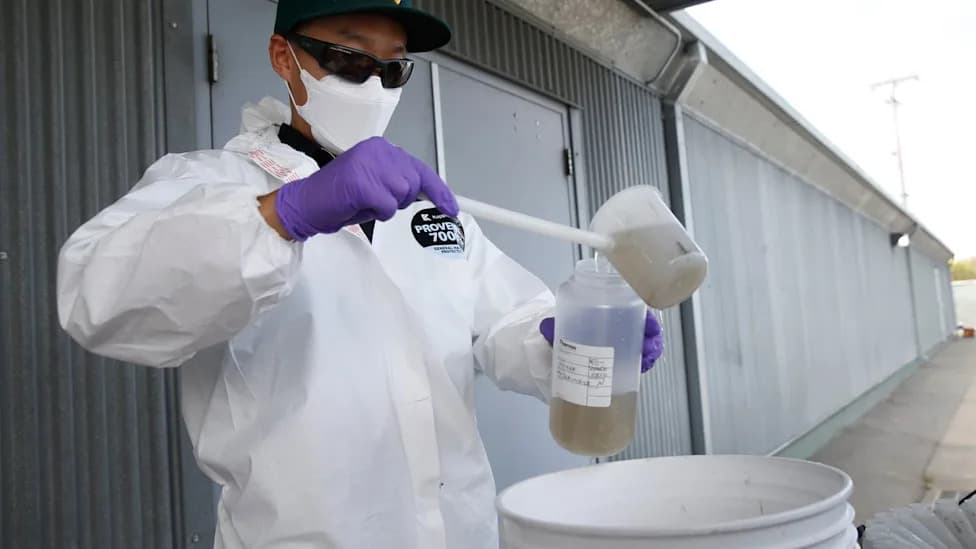
An international team analyzed 1,240 sewage samples collected from 351 cities across 111 countries. They screened these samples for antimicrobial resistance genes (ARGs) — the DNA elements that enable microbes to survive antibiotic treatments.
Looking for the Latent Threat
Beyond cataloguing known, active ARGs, the researchers used functional metagenomics to hunt for “latent” ARGs: genetic variants present in microbial DNA but not currently expressed. Because latent genes can be activated under particular circumstances, they represent a potential hidden source of future resistance.
“The research shows that we have a latent reservoir of antimicrobial resistance that is far more widespread around the world than we had expected,”
The study found that latent ARGs are abundant nearly everywhere sewage was sampled and, in many locations, appear to outnumber known, already active or acquired resistance genes. The authors suggest that local ecological forces — selection and microbial competition — may shape which latent genes become problematic more than simple geographic spread.
Why This Matters
Most latent ARGs are unlikely to pose an immediate public-health threat. However, some may be activated over time or transferred into pathogens, undermining current or future antibiotics. As co-first author Patrick Munk (DTU National Food Institute) notes, monitoring both acquired and latent genes could provide early warning about which genetic elements are most likely to become dangerous.
“To curb future antimicrobial resistance, routine surveillance of wastewater should include latent resistance genes, in addition to already acquired genes, to account for tomorrow’s problems,”
The authors argue that wastewater surveillance is practical and ethical because sewage aggregates signals from humans, animals, and the surrounding environment, offering a composite snapshot of local AMR ecology.
Implications
Tracking latent ARGs could improve our understanding of how resistance originates, which genes jump hosts, and how they spread geographically. That knowledge could guide antibiotic development and public-health strategies, potentially reducing the future burden of AMR.
Publication: The study was published in Nature Communications.
Help us improve.