Turkey has urged Russia and Ukraine not to target energy infrastructure after Black Sea drone attacks that reportedly hit tankers linked to Russia. Ankara summoned both countries' envoys and is taking maritime security measures while warning that disruptions would ripple into global markets and household budgets. Energy Minister Alparslan Bayraktar called for uninterrupted flows through the Black Sea, Turkish straits and pipelines and stressed the need to diversify gas supplies. Turkey is negotiating short-term extensions with Gazprom while seeking competitive, secure alternatives.
Turkey Warns Russia and Ukraine: Keep Energy Infrastructure Out of the War After Black Sea Drone Strikes

Turkey Urges Protection of Energy Infrastructure Amid Black Sea Drone Attacks
Turkey has warned both Russia and Ukraine against targeting energy infrastructure after a series of drone attacks in the Black Sea that Kyiv says struck tankers linked to Russia, Energy Minister Alparslan Bayraktar said.
Ankara summoned the envoys of Russia and Ukraine, a Turkish foreign ministry source told AFP, as officials sought to register concern over the incidents and underscore the broader risks to energy security and civilian livelihoods.
Attacks on Tankers and Wider Risks
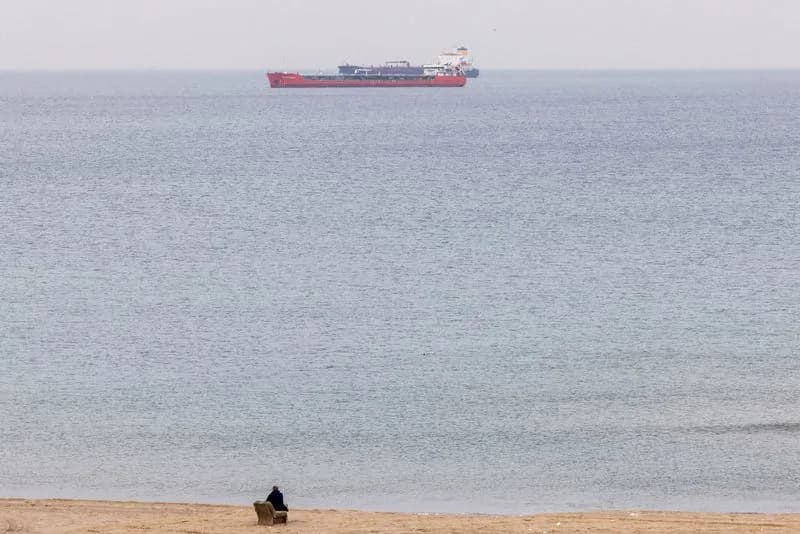
Last Friday, two empty oil tankers were struck by explosions off Turkey's Black Sea coast; at least one was reportedly bound for a Russian port. A Ukrainian security source told AFP that Ukrainian forces used naval drones against vessels alleged to be covertly transporting Russian oil. A third tanker was hit on Tuesday while en route from Russia to Georgia; Russia blamed a drone while Ukraine denied involvement in that strike.
Alparslan Bayraktar: "We tell all the parties, in Russia and Ukraine: keep the energy infrastructures out of this war, because this is very much linked to people's daily lives."
Turkish Response and Maritime Security
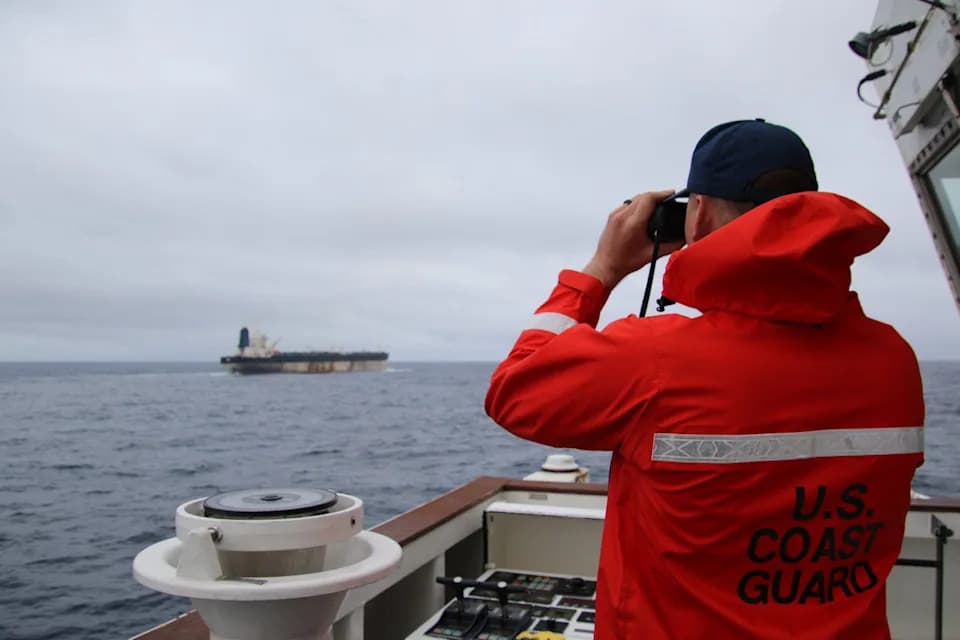
The Turkish foreign ministry said it had summoned both sides "to voice concerns." A Turkish defence ministry source added that Ankara is implementing measures against war-related maritime threats, but cautioned that security measures can only mitigate — not remove — the risks created by ongoing conflict.
"Even if we minimise maritime threats and security chaos in the Black Sea through these measures, lasting peace is essential for a stable and secure maritime environment," the defence source said.
Regional Tensions and Energy Supply
Russian President Vladimir Putin denounced the drone attacks as "piracy" and warned of expanded strikes on Ukrainian ports and ships that enter them, suggesting Moscow might retaliate against vessels from countries it accuses of assisting such operations. "The most radical way would be to cut Ukraine off from the sea," he said.
Washington has urged allies, including Turkey, to curb oil and gas imports from Russia. Bayraktar said Ankara has been transparent with the United States about Turkey's contractual commitments and supply needs. He noted Russia has been a major and historically reliable supplier of natural gas to Turkey since the late 1980s, with Moscow's share varying over time.
Bayraktar stressed the need to diversify suppliers: "Security of supply is our number one priority. We need gas from Russia, we need gas from Iran, we need gas from Azerbaijan and plenty of other sources." He added that Ankara is focusing on short-term contract extensions and renewals — typically one-year deals — while seeking competitive and secure supplies for the Turkish market.
Turkey and Russia have been negotiating to extend a gas contract due to expire on December 31, and Gazprom is expected to continue deliveries next year while talks continue, Bayraktar said.
Outlook
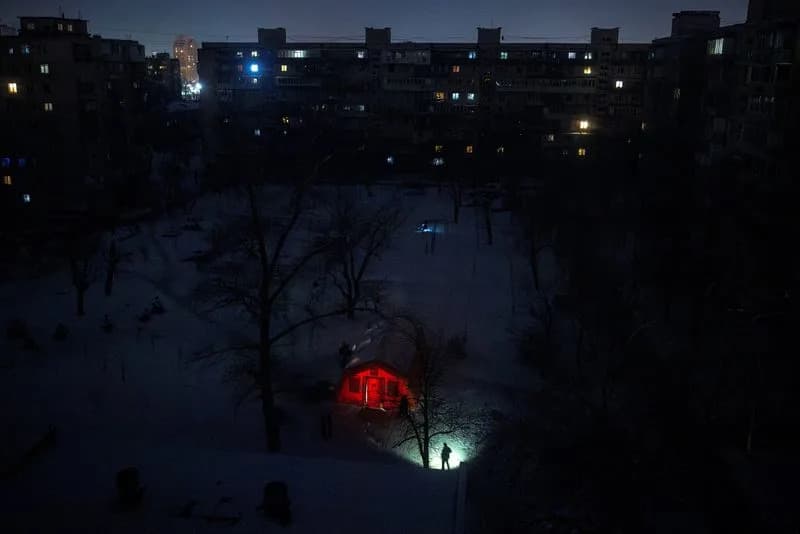
Turkey's intervention highlights the wider economic and humanitarian stakes when energy assets are drawn into armed conflict: disruptions can ripple through global markets and directly affect household budgets. Ankara's diplomatic démarches and maritime precautionary measures aim to protect energy flows, but officials say lasting peace is the only reliable guarantee of long-term security in the Black Sea and surrounding waterways.
Help us improve.