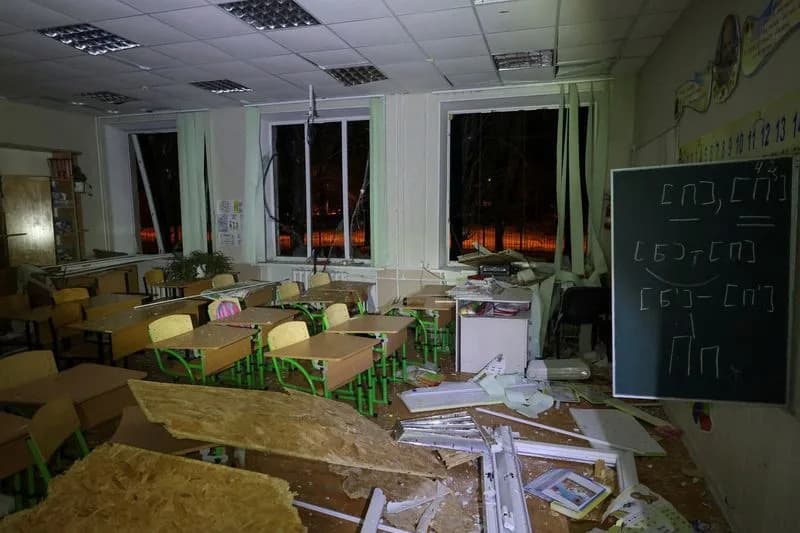
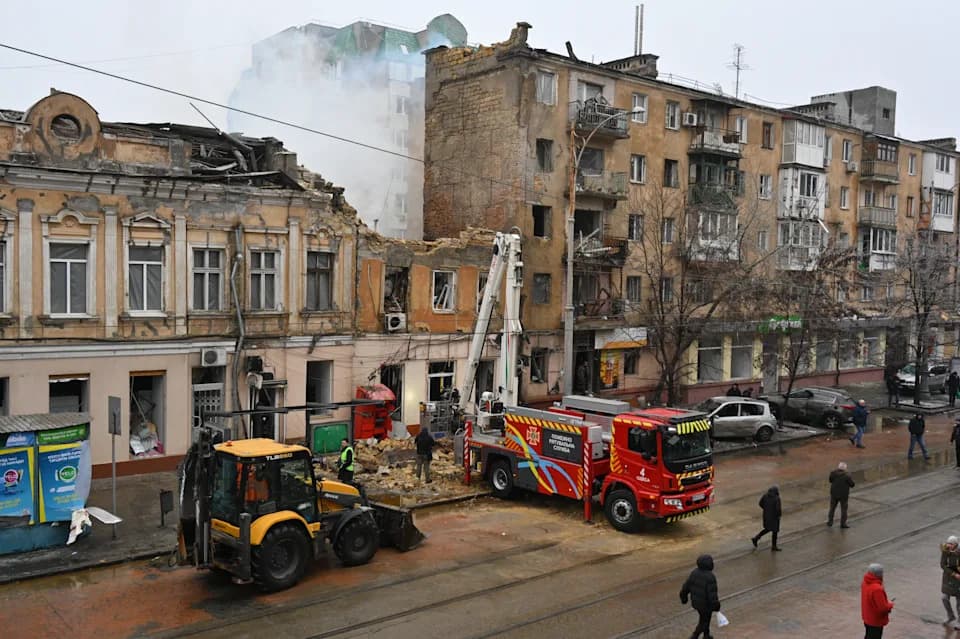
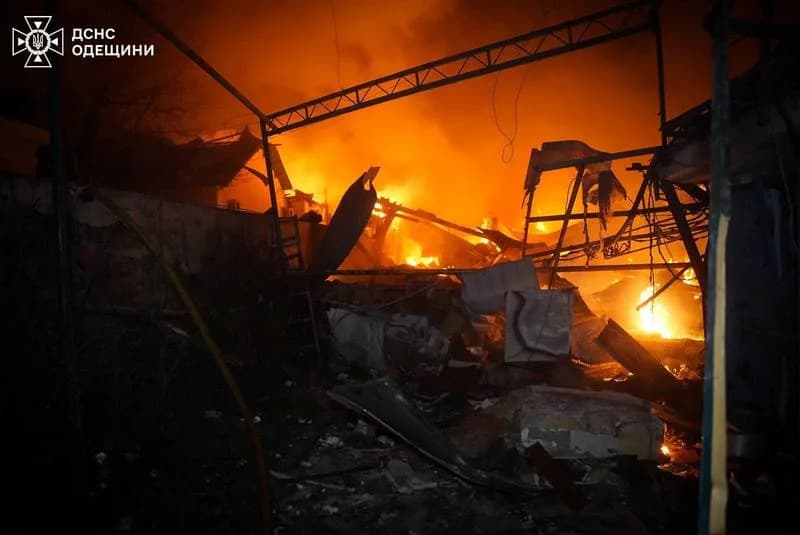
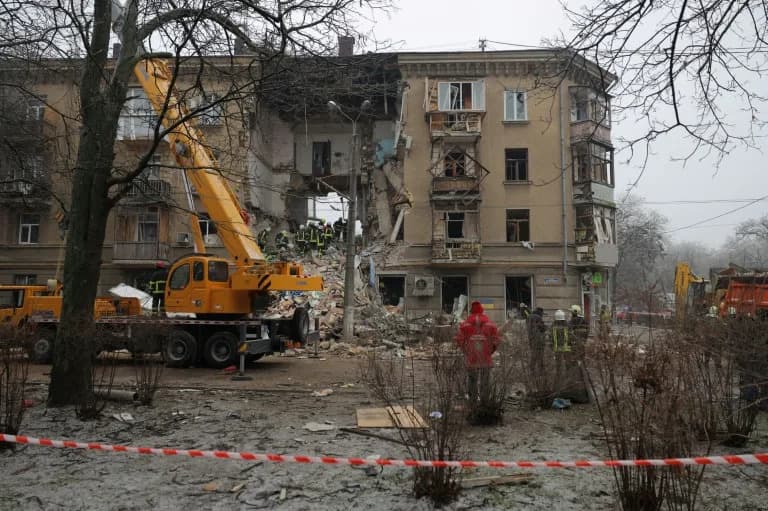
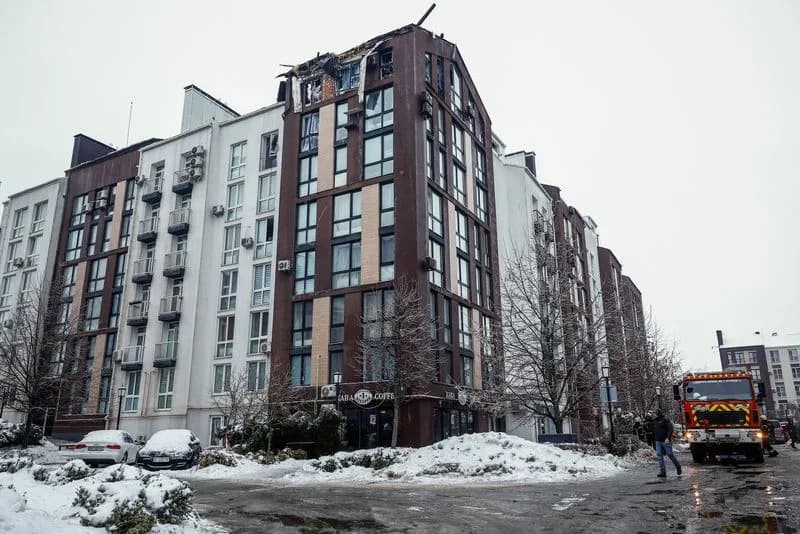
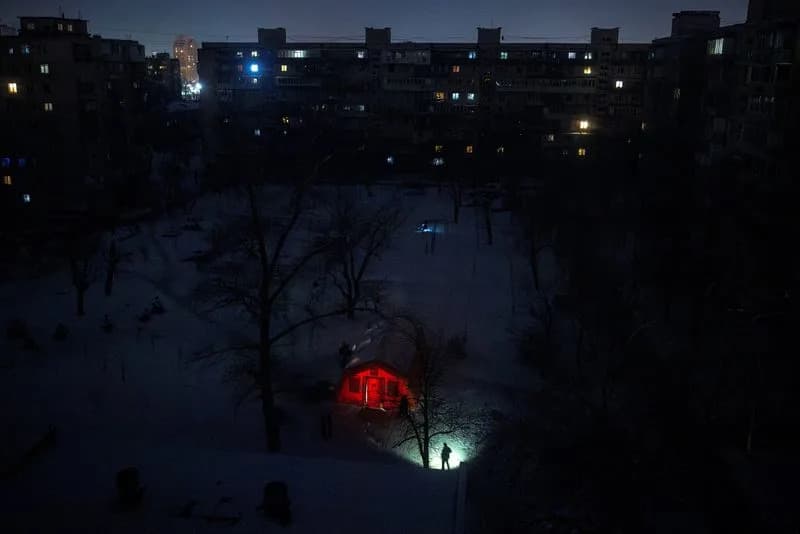
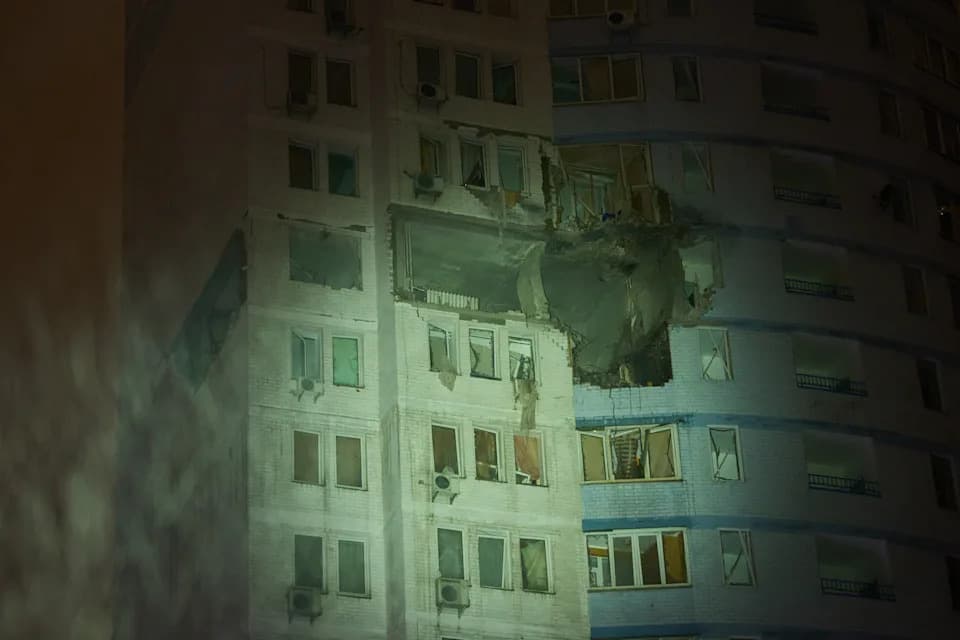
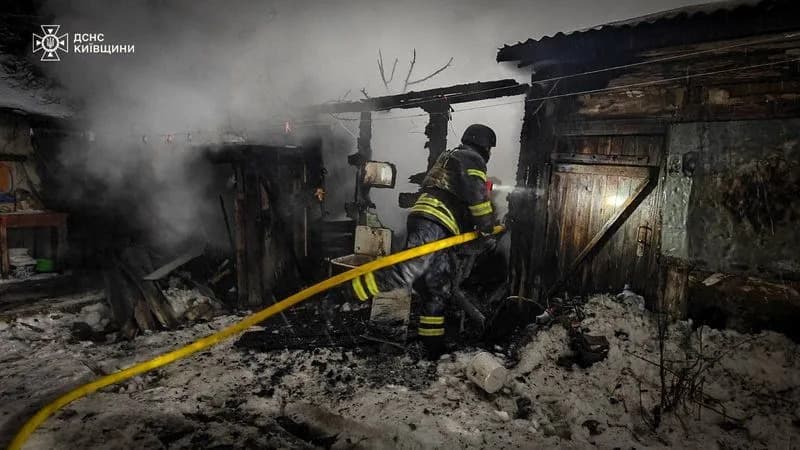
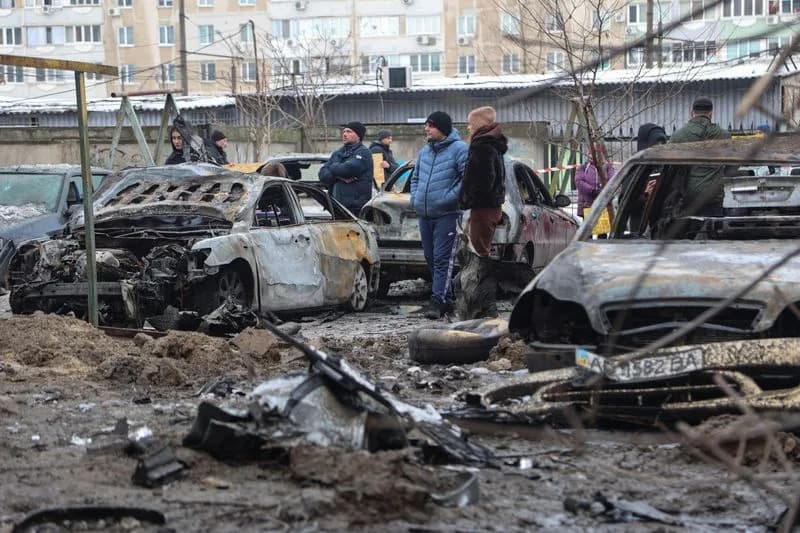
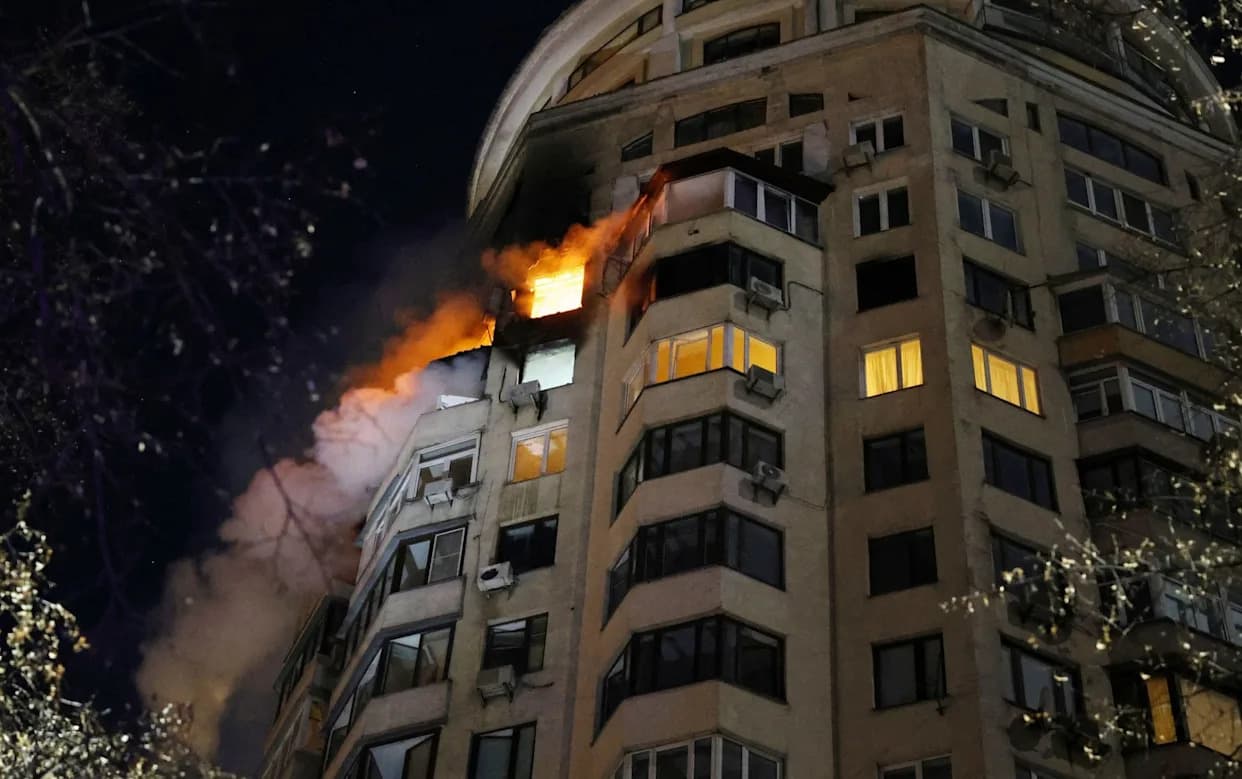
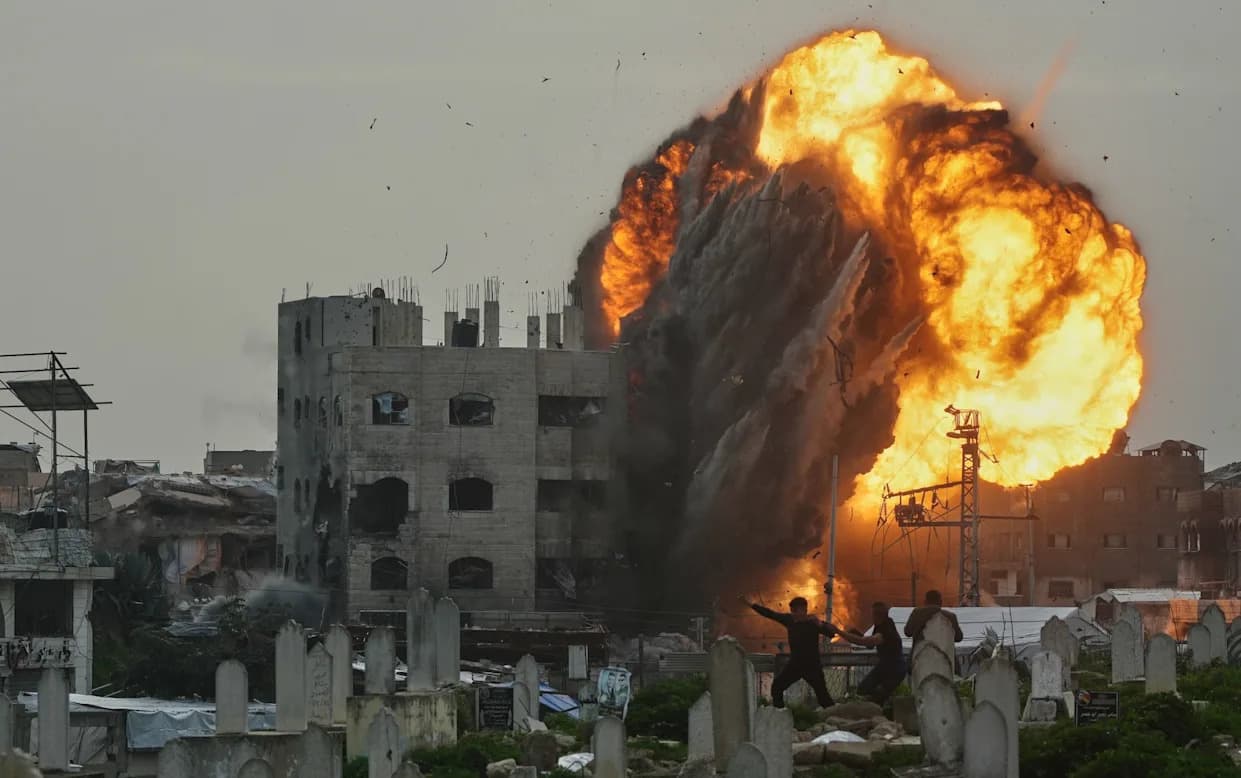
A Russian missile strike on port infrastructure in Odesa in southern Ukraine killed eight people and wounded 27, Ukraine's State Emergency Service said Saturday. The attack coincided with renewed high-level diplomatic activity tied to a U.S.-proposed plan to try to end the nearly four-year war.
Details of the Attack
According to local officials, several of the wounded were aboard a bus at the center of the strike. Trucks in a nearby parking lot caught fire and multiple cars were damaged. Oleh Kiper, head of the Odesa region, said the port was hit by ballistic missiles. Moscow did not immediately acknowledge responsibility; the Russian Defense Ministry said it had struck unspecified "transport and storage infrastructure used by the Ukrainian armed forces," along with energy targets it says contributed to Kyiv's war effort.
Ukrainian Counterstrikes
Ukraine's General Staff reported that Ukrainian drones struck a Russian oil rig, the patrol ship Okhotnik operating in the Caspian Sea, the Filanovsky drilling platform (operated by Lukoil), and a radar installation in Krasnosilske, Crimea. Kyiv said the extent of damage was being clarified. There was no immediate comment from the Russian government or Lukoil.
Diplomacy and Negotiations
The strike came as a Kremlin envoy prepared to travel to Florida for talks linked to a U.S.-proposed peace plan. Kirill Dmitriev, head of Russia's sovereign wealth fund, was reported to be set to meet with U.S. envoys Steve Witkoff and Jared Kushner in Miami. These discussions follow a series of meetings in Berlin and with American and European officials.
Ukraine's chief negotiator, Rustem Umerov, confirmed his delegation had held meetings with American and European partners and said they would continue "joint work in the near future." Ukrainian President Volodymyr Zelenskyy said the outcome will depend heavily on how the United States responds after consultations with the Russians, and he announced a bilateral agreement with Portugal to begin joint production of maritime drones—a move Zelenskyy described as a promising area for defense cooperation.
Financial and Strategic Context
European Union leaders approved a $106 billion support package to cover Ukraine's military and economic needs over the next two years, although disputes over using frozen Russian assets meant the funds were raised on capital markets instead. The International Monetary Fund estimates Ukraine will need roughly $161 billion in 2026–27, and Kyiv is reported to be in urgent need of financing to avoid a fiscal collapse by spring.
Context: The strikes and counterstrikes underscore a widening mix of military pressure and diplomatic maneuvering, as Western partners weigh security guarantees, potential territorial compromises and long-term economic support for Ukraine.
As investigations continue into the Odesa strike and assessments of the drone attacks are updated, both the battlefield and diplomatic fronts remain highly volatile.