U.S. forces seized the tanker formerly known as Bella I in international waters in an uncommon, direct enforcement action against Russia’s "dark fleet." Experts say the move is unlikely to trigger broad military escalation because Russia remains focused on the war in Ukraine; Moscow is expected to respond primarily with diplomatic protests and legal challenges. Observers warn that systematic interdictions of sanctioned tankers could have significant economic and geopolitical consequences.
Inside the Sea Campaign to Contain Russia’s ‘Dark Fleet’ — What the U.S. Seizure of the Bella I Signals
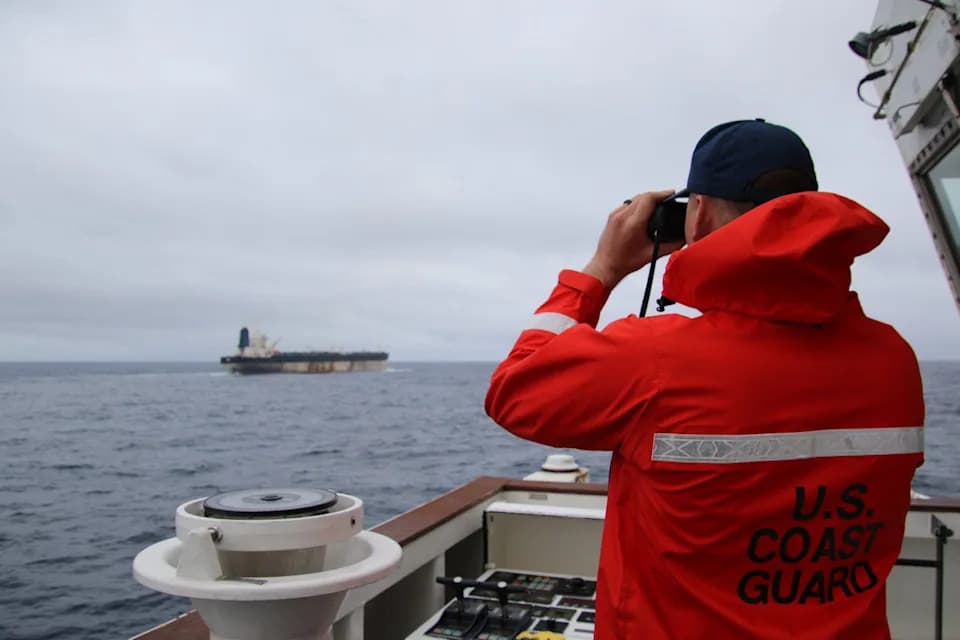
The Coast Guard has seized an oil tanker allegedly linked to Venezuela in the North Atlantic.
The U.S. seizure of the tanker formerly known as Bella I — reflagged as the Merinera on Dec. 24 under temporary Russian authorization — marks one of the most direct enforcement actions against Russia’s so‑called "dark fleet." The operation, carried out in international waters and overseen by U.S. European Command, has drawn attention for its rarity and the legal and geopolitical questions it raises.
What Happened
U.S. forces took control of the empty vessel during a high-seas operation. The Wall Street Journal reported that Russia dispatched a submarine to shadow the tanker after the U.S. attempted the seizure near Venezuela, a move that briefly raised concerns about a potential naval standoff between two nuclear-armed powers.
Background: The 'Dark Fleet'
Since Russia's 2022 invasion of Ukraine, Moscow has relied on a network of tankers — often described as a "shadow" or "dark" fleet — to move oil while evading sanctions. That network has used tactics such as ship-to-ship transfers, frequent reflagging and temporary registrations to obscure cargo origins and ownership.
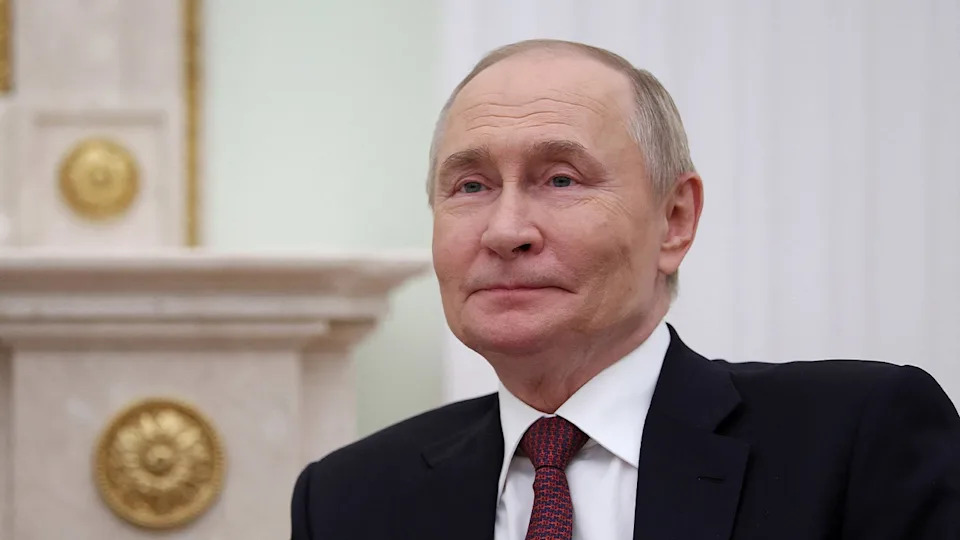
Analysts largely agree that the interdiction comes at a moment when the Kremlin has limited appetite for escalation outside Europe and is focused primarily on its war against neighboring Ukraine.
Expert Reactions
Analysts say the seizure is significant but unlikely to spark immediate, large-scale escalation. "This is unique," said Brent Sadler, senior research fellow at the Heritage Foundation, noting that U.S. authorities rarely board foreign-flagged vessels on the high seas unless the ship's nationality or status is in doubt. Rapid reflagging and a pattern of sanctions circumvention contributed to the decision, he added.
Peter Rough, director of the Center on Europe and Eurasia at the Hudson Institute, argued the move reinforces U.S. resolve to police sanctions enforcement in the Western Hemisphere. He and others note Russia’s current priority remains the war in Ukraine, making a broad response in Latin America less likely.
Legal And Diplomatic Fallout
Russian officials have denounced the boarding as an illegal act that violated international maritime law. U.S. authorities have not fully disclosed the legal rationale for the seizure, citing operational and legal sensitivities. Observers expect Moscow to lodge diplomatic protests and pursue legal channels rather than escalate militarily.
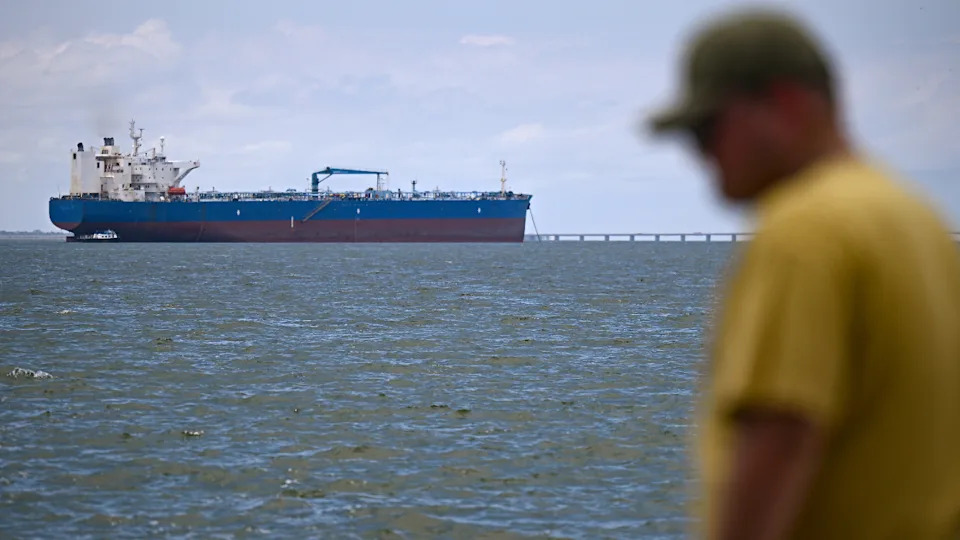
The empty vessel was seized in international waters during an operation overseen by U.S. European Command.
Wider Strategic Implications
Mark Cancian of the Center for Strategic & International Studies noted that hundreds of sanctioned oil vessels remain at sea, with at least 100 tied to Russia. If the United States and partners begin systematic interdictions of tankers carrying sanctioned oil, it could have substantial consequences for major exporters such as Russia and Iran, and for global energy markets.
Previous actions have produced limited escalation: for example, French authorities boarded a Russia-linked tanker in October without triggering a broader crisis. Many analysts say the Bella I case is likely to prompt public complaints from Moscow and possible legal challenges, but not a major confrontation in the near term.
What To Watch Next
Key indicators to monitor include whether the U.S. pursues additional interdictions, how allies coordinate sanctions enforcement at sea, and whether Russia responds beyond diplomatic protests. The outcome will shape the practical limits of maritime sanctions enforcement and the future visibility of the so‑called dark fleet.
Help us improve.