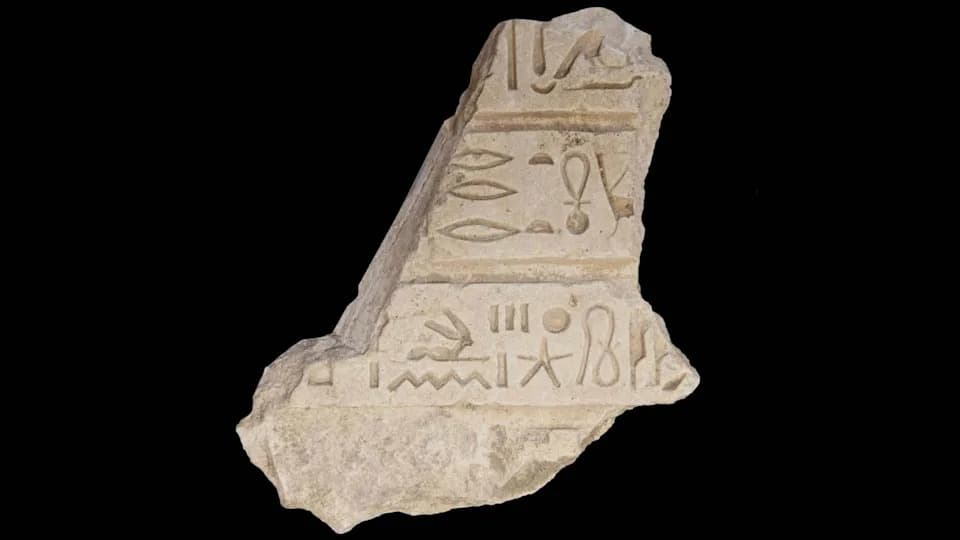
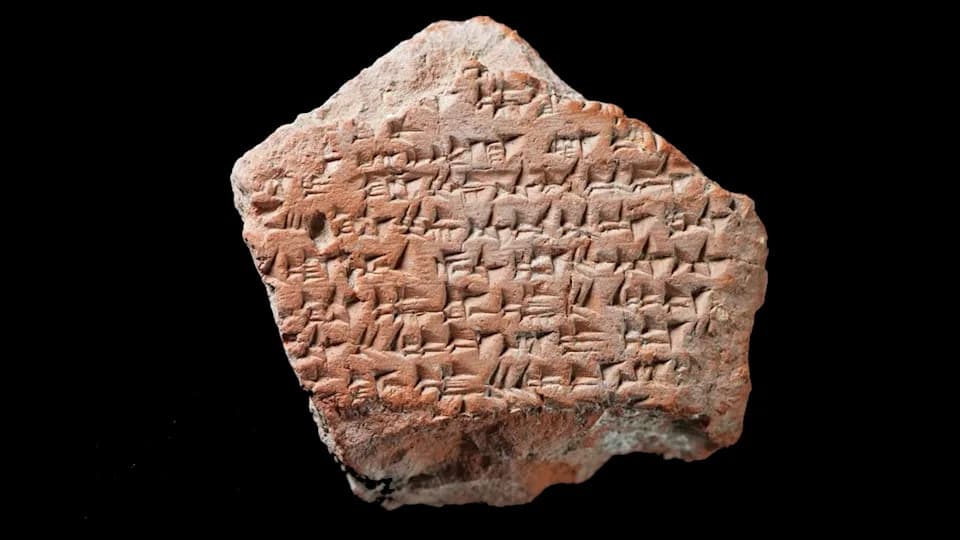
Egypt has renewed calls for the return of the Rosetta Stone while easing wider repatriation demands as the Grand Egyptian Museum opens. Mohamed Ismail Khaled argued the stone was taken illegally during wartime, a claim the British Museum disputes, citing the 1801 Treaty of Alexandria. Discovered in 1799, the Rosetta Stone enabled the deciphering of hieroglyphs and remains central to debates over cultural heritage and repatriation.
Egypt Urges Britain to Return the Rosetta Stone as Grand Egyptian Museum Opens

Egypt has renewed its call for Britain to return the Rosetta Stone, while softening earlier demands for the repatriation of many other antiquities held in UK museums.
Mohamed Ismail Khaled, secretary general of Egypt’s Supreme Council of Antiquities, said tens of thousands of artefacts legally removed from Egypt and now held by the British Museum have become "part of the London identity" and are regarded as a kind of shared heritage. He nonetheless argued that the Rosetta Stone — dated to about 196 BC and the British Museum's most visited object — was taken illegally from Egypt during wartime.
"Of course we would love it to be returned because Egyptians have never seen it," Mr Khaled said, adding that many in Egypt feel a right to press for its return.
The British Museum rejects the allegation of illegal seizure, pointing to the 1801 Treaty of Alexandria, which followed hostilities between British and French forces and, the museum says, included the endorsement of an Ottoman admiral. At the time, the Ottoman Empire administered Egypt.
The Rosetta Stone was discovered in July 1799 by French soldiers working on fortifications in the port city of Rashid (Rosetta) during Napoleon's campaign in Egypt. After the French defeat in 1801, the stone was listed among antiquities handed over under the terms of the Treaty of Alexandria and was taken to Britain, arriving in Portsmouth in 1802. Its inscriptions in three scripts allowed scholars to decipher ancient Egyptian hieroglyphs in 1822 — a breakthrough for Egyptology.
Campaigners and Egyptian public figures have periodically renewed calls for the stone's return. In 2022 two high-profile petitions — one begun by a former Egyptian minister and another by Egyptologist Monica Hanna — reignited public debate. Ms Hanna described the British Museum's hold on the stone as "a symbol of Western cultural violence against Egypt." Officials in Cairo have said informal talks about repatriation have taken place, but the Egyptian government has not submitted a formal diplomatic request.
Mr Khaled's comments mark a shift in tone ahead of the opening of the Grand Egyptian Museum, which opened on Nov. 1 after decades of delays. Rather than pressing immediately for a broad wave of repatriations, Egyptian officials are emphasising the role of artefacts as "ambassadors" to draw international visitors to the new museum.
The British Museum's Egyptian collection comprises more than 50,000 objects. As nations reassess the provenance of cultural property, some institutions have begun to return items: the Netherlands recently agreed to repatriate a 3,500-year-old stone head dating to the reign of Thutmose III.
The debate over the Rosetta Stone highlights enduring tensions between legal, historical and moral claims to contested cultural heritage, and it is likely to remain a flashpoint in wider conversations about museum collections and repatriation.
Help us improve.