MIT researchers report progress on a noninvasive, light-based glucose monitor that could replace finger pricks and implanted sensors. Building on work since 2010 and a 2020 signal-filtering advance, the team narrowed measurements to three key Raman bands out of about 1,000 to dramatically shrink the device. Current prototypes scan in just over 30 seconds and show accuracy comparable to existing wearables; researchers plan further miniaturization and larger clinical trials, including validation across all skin tones.
Goodbye to Finger Pricks: MIT’s Light-Based Glucose Monitor Shrinks Toward Watch Size

A team at MIT is advancing a noninvasive, light-based glucose monitoring system that could spare people with diabetes from painful finger pricks and implanted sensors. The prototype remains relatively large, but researchers report steady progress toward a compact design they hope could one day fit into a watch-sized device.
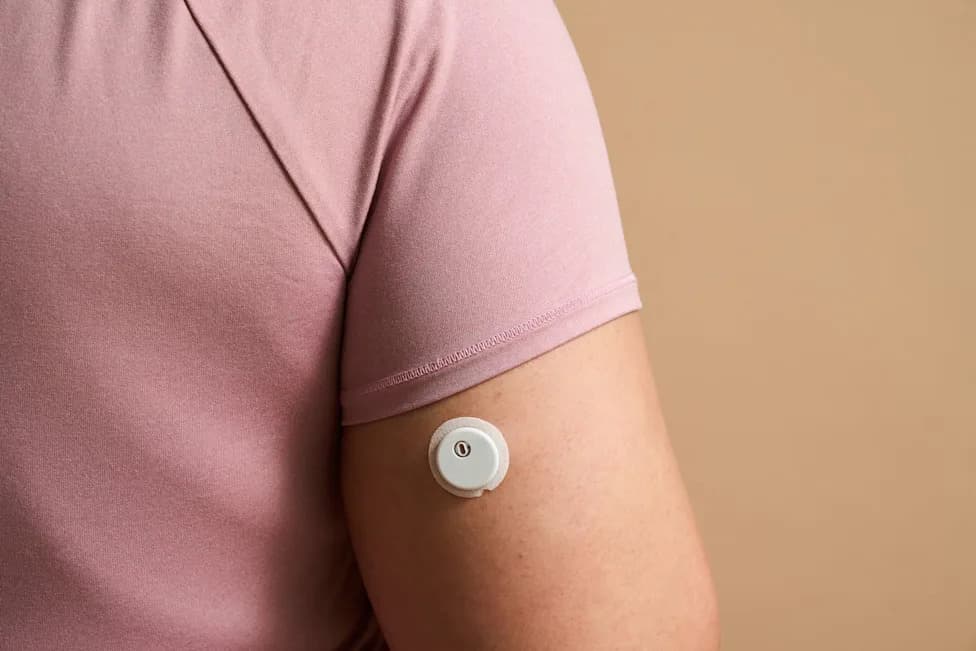
Managing diabetes typically requires frequent glucose measurements. For years this meant multiple daily finger pricks to collect blood samples. Wearable continuous glucose monitors reduce the need for finger sticks but still rely on a sensor wire inserted beneath the skin and must be replaced every 10–15 days, often causing irritation.
“Nobody wants to prick their finger every day, multiple times a day,” said MIT research scientist and study co-author Jeon Woong Kang, noting that pain isn’t the only concern: under-testing blood glucose can increase the risk of serious complications.
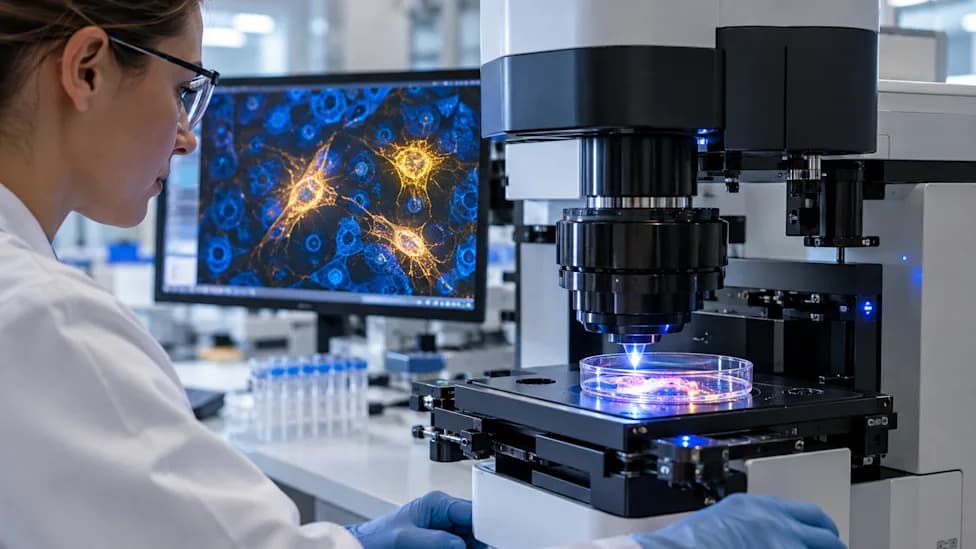
Scientists at MIT’s Laser Biomedical Research Center (LBRC) have been developing optical approaches to glucose monitoring for more than a decade. In 2010, LBRC researchers demonstrated that Raman spectroscopy — an optical method that identifies molecules by the way they scatter light — could noninvasively estimate glucose levels by probing tissue with near-infrared and visible light and comparing the resulting Raman signals to reference glucose measurements. Although promising, that early system was impractical for daily use.
A key advance came in 2020, when the team showed that firing Raman excitation at tissue while simultaneously illuminating from a different angle with near-infrared light could filter out signals from other skin molecules and isolate glucose-specific information. This improved signal filtering made the approach much more viable for practical monitoring.
Initially the Raman glucose scanner was about the size of a printer; engineers have reduced it to roughly a shoebox. That shrinkage came from a strategic change: instead of acquiring the full Raman spectrum (about 1,000 bands), the team identified the few bands that carry the necessary glucose information and limited measurements to those key features.
“By refraining from acquiring the whole spectrum, which has a lot of redundant information, we go down to three bands selected from about 1,000,” explained researcher and co-author Arianna Bresci. “With this new approach we can change the components commonly used in Raman-based devices, and save space, time and cost.”
Each scan takes a little more than 30 seconds, and early results show accuracy comparable to two commercially available wearable glucose monitors. The researchers emphasize that further miniaturization, larger clinical trials and additional validation across all skin tones are next steps before the technology could become a consumer product.
If these milestones are met, a compact, noninvasive glucose monitor with high accuracy could benefit many people living with diabetes by improving testing frequency, comfort and long-term health outcomes.
Help us improve.