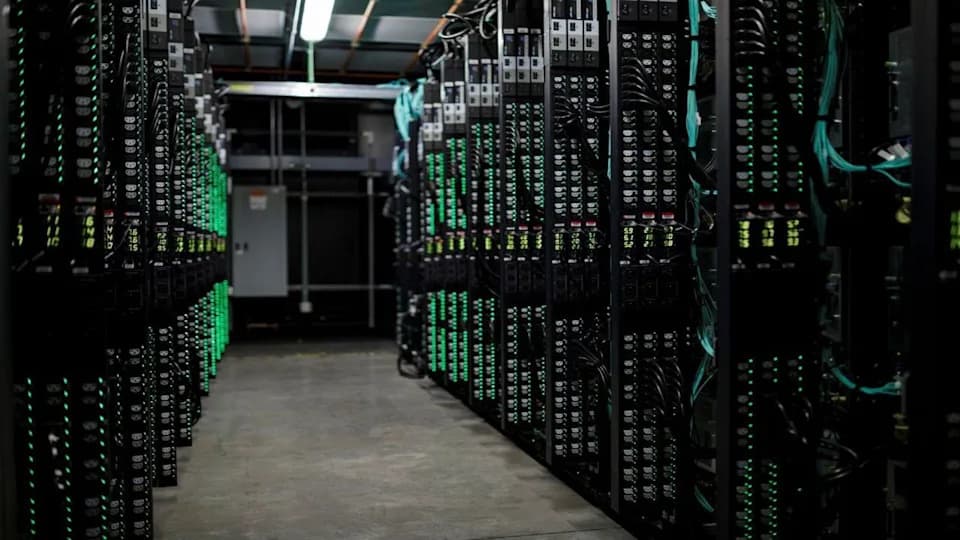
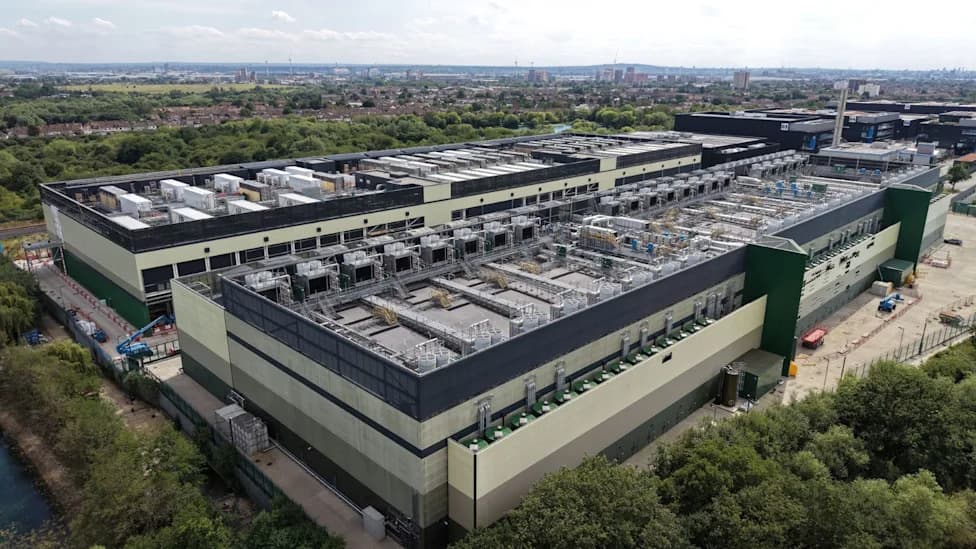
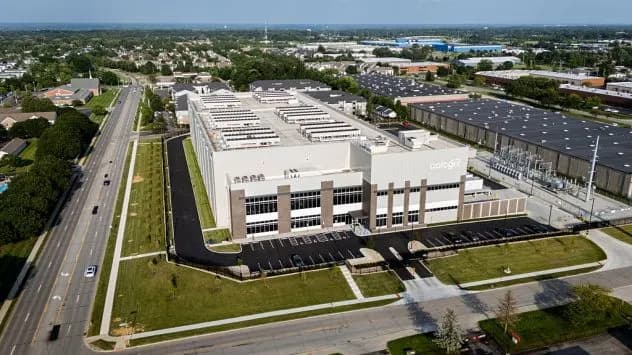
Residents of Boxtown, a largely Black neighborhood in Memphis, say xAI’s Colossus data center is emitting chemical-like fumes and affecting local water, leaving many with respiratory symptoms and anxiety about cancer rates. Longtime neighbors report changed odors, reduced outdoor activity, and health complaints they attribute to the facility. Reports that a second center, "Colossus 2," and a purchased power plant are coming online have intensified calls for environmental and public-health reviews.
Boxtown Residents Say Elon Musk’s 'Colossus' Data Center Is Making Them Ill

Residents of Boxtown, a predominantly Black neighborhood in Memphis, say xAI’s Colossus supercomputer data center — the facility behind Elon Musk’s chatbot Grok — is harming local health and the environment. Neighbors report new chemical-like odors, respiratory symptoms, and reduced water availability since the center began operating.
Community reports health and environmental impacts
Longtime residents describe a marked change in air quality. "Prior to xAI, we were dealing with more of a waste smell. Like poop. This is more like a chemical-type smell," said 71-year-old Sarah Gladney, who now rarely opens her windows and has stopped her daily walks. Others report persistent coughing, mucus, and concerns about elevated cancer rates in the area.
"The people who live round here are blacks. So they think they can do what they want," said 81-year-old Willie Joe Stafford, blaming the facility's emissions for the respiratory problems he experiences.
Sixty-six-year-old Batsell Booker framed the issue as environmental injustice: "We have to put our lungs up in exchange for profit," he said, noting that his daughter is recovering from cancer and that the neighborhood already faces significant pollution burdens.
Expansion raises new worries
Reports indicate a second data center, often referred to locally as "Colossus 2," is nearing completion nearby. To power the new site, it was reported that an entire power plant was purchased — a development residents fear could increase air emissions and strain local resources.
So far, accounts in the neighborhood reflect residents' observations and experiences; direct causal links between the data center and specific illnesses have not been independently confirmed in this report. Community members are calling for further investigation by public health and environmental authorities to assess emissions, water supply impacts, and long-term health risks.
Why this matters: The dispute highlights how high-tech infrastructure projects can intersect with longstanding environmental justice concerns, especially in communities that already face disproportionate pollution and health burdens.
Help us improve.