The EPA’s newly finalized rule clarifies that moveable methane-fired turbines are typically regulated as stationary sources and generally require Clean Air Act permits, undercutting xAI’s argument that “temporary” units are exempt. Environmental groups in Memphis hailed the language as a rebuke of local permitting decisions that allowed turbines to run without permits. At the same time, the rule relaxes some NOx limits and drops top-tier pollution-control requirements, prompting criticism for not assessing health impacts. xAI has applied for a Mississippi permit for 41 turbines producing 1.2 GW; a public hearing is set for Feb. 16.
EPA Rule Says Portable Gas Turbines Need Permits, Undercutting xAI’s “Temporary” Argument

An obscure clause in a newly finalized Environmental Protection Agency rule could complicate Elon Musk’s xAI plans by undercutting the company’s claim that methane-fired turbines at its data centers are “temporary” and therefore exempt from Clean Air Act permits.
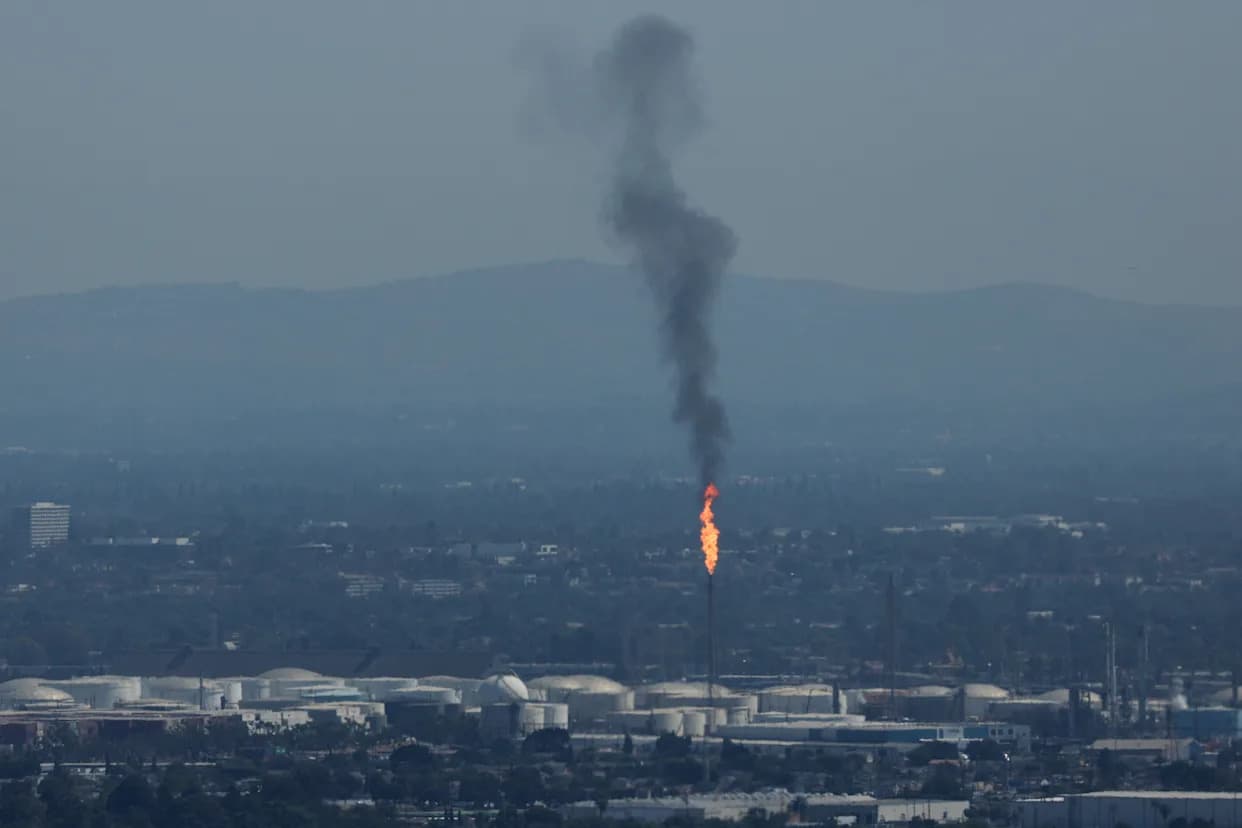
The EPA’s final rule on emissions from natural-gas-fired turbines, posted last week, relaxes some limits on nitrogen-oxide (NOx) emissions while also addressing whether moveable combustion turbines qualify as nonroad engines. In language environmental advocates hailed as significant, the agency states: “Historically, however, the EPA has not regulated combustion turbines, even those that may be portable, as nonroad engines, but rather as stationary sources.”
What That Means
In plain terms, the EPA concluded that turbines mounted on trailers or otherwise moveable still count as stationary sources under the Clean Air Act and generally require permits. That interpretation directly challenges xAI’s and some local officials’ prior position that turbines need permits only if they remain on site for more than a year.
Local Dispute and Legal Pressure
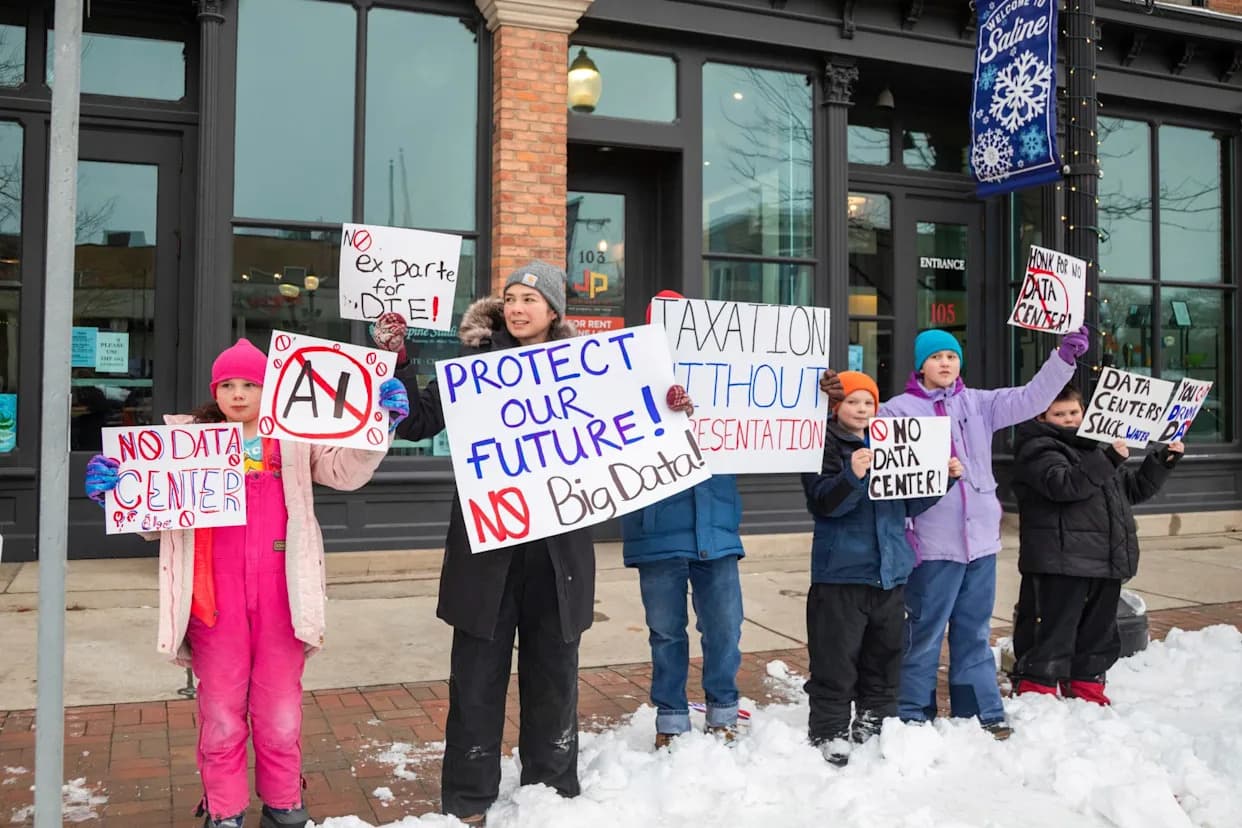
xAI faced criticism after installing dozens of methane-fired turbines to power its Colossus 1 data center in South Memphis. Local environmental and community groups pushed county regulators to require permits and challenged a permit that the Shelby County Health Department issued last spring, arguing the county had not considered earlier unpermitted operation of the units.
“Memphians have been yelling from the top of our polluted lungs that allowing methane turbines to operate for almost a year with no permit is not only inhumane but illegal,” said LaTricea Adams, CEO of Young, Gifted & Green.
A coalition that includes the Southern Environmental Law Center, the NAACP, and Young, Gifted & Green praised the EPA’s language as a rebuke of local officials who favored the “nonroad engine loophole.” The Shelby County Air Pollution Control Board has verbally dismissed the groups’ challenge but has not issued a final order; the Southern Environmental Law Center has asked the board to hold another public hearing and align county policy with federal law.
Expansion And Permitting In Mississippi
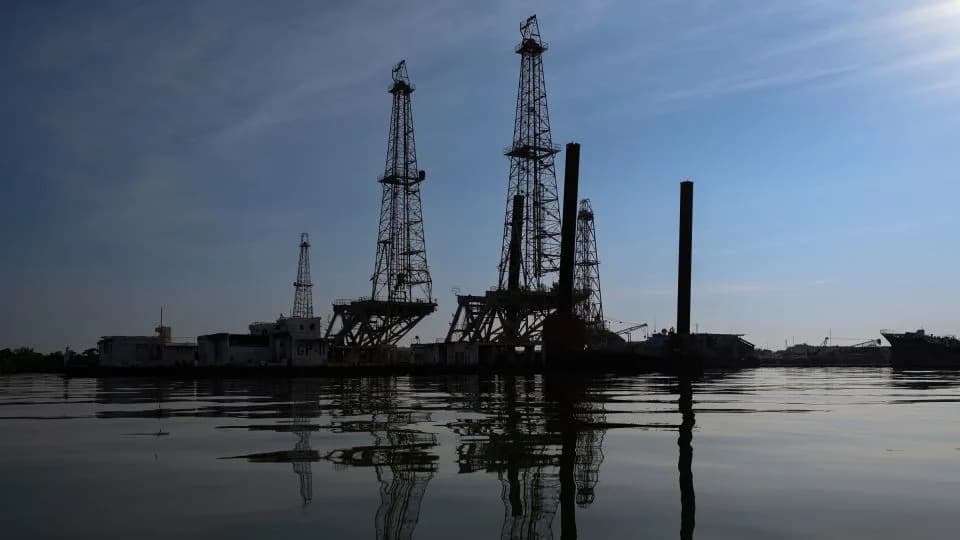
While debates continued in Tennessee, xAI advanced plans for a second facility, Colossus 2, which draws power from turbines located across the state line in Mississippi. Mississippi regulators earlier granted the company permission to operate those turbines without a permit for up to 12 months. This week, xAI filed a permit application with the Mississippi Department of Environmental Quality for 41 turbines capable of producing about 1.2 gigawatts of power; a public hearing is scheduled for Feb. 16.
Mississippi’s governor announced a larger $20 billion investment tied to xAI’s expansion, with Musk nicknaming the project “MACROHARDRR.”
Policy Context And Criticism
The EPA rule draws mixed reactions. Although it clarifies that moveable turbines are typically regulated as stationary sources, the final regulation also weakens proposed NOx limits and drops a requirement that turbines install the latest pollution-control technologies. Environmental groups criticized the agency for not quantifying the health impacts of those rollbacks, departing from long-standing EPA practice.
EPA press secretary Brigit Hirsch emphasized that state and local regulators issue facility permits, and the agency said the rule is not aimed at a single company. EPA Administrator Lee Zeldin told Fox Business the agency is coordinating with Shelby County and Mississippi regulators as permitting moves forward, while also stressing the administration’s goal of speeding permit decisions to support economic growth and AI development.
The dispute highlights tensions between fast-moving tech infrastructure projects, local environmental justice concerns, and shifting federal air-quality policy. With a high-profile public hearing ahead in Mississippi and active legal challenges in Tennessee, questions about permits, pollution controls and public health remain unresolved.
Help us improve.