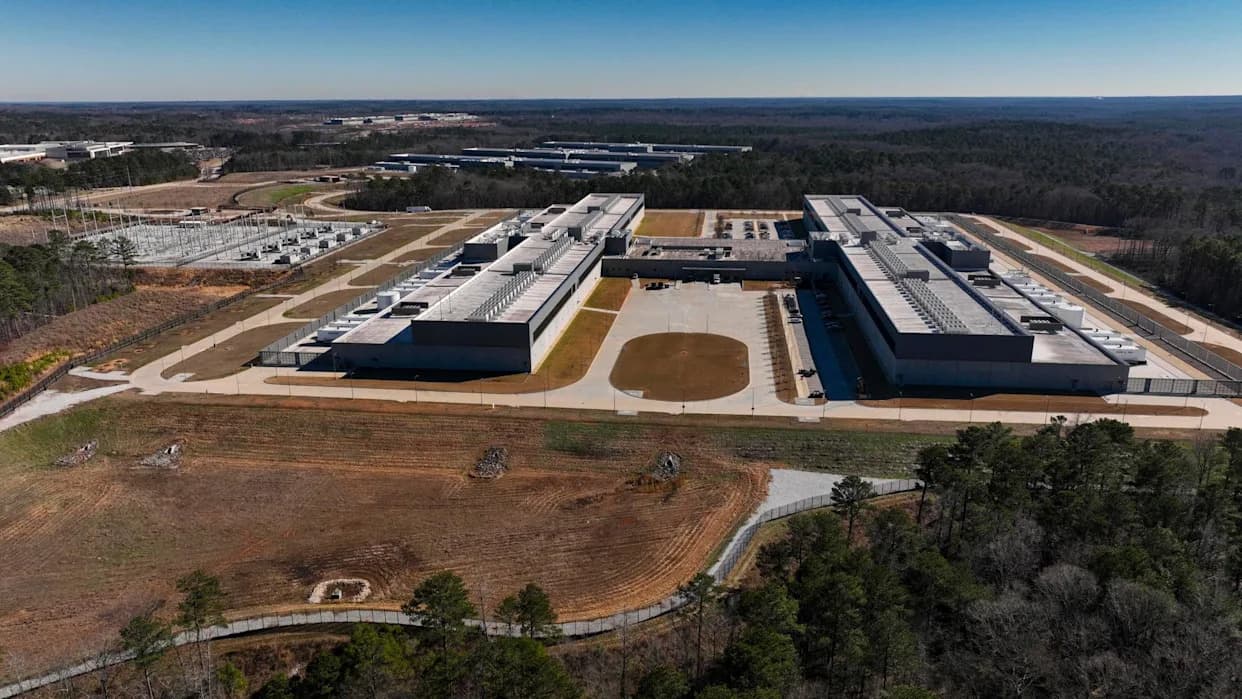
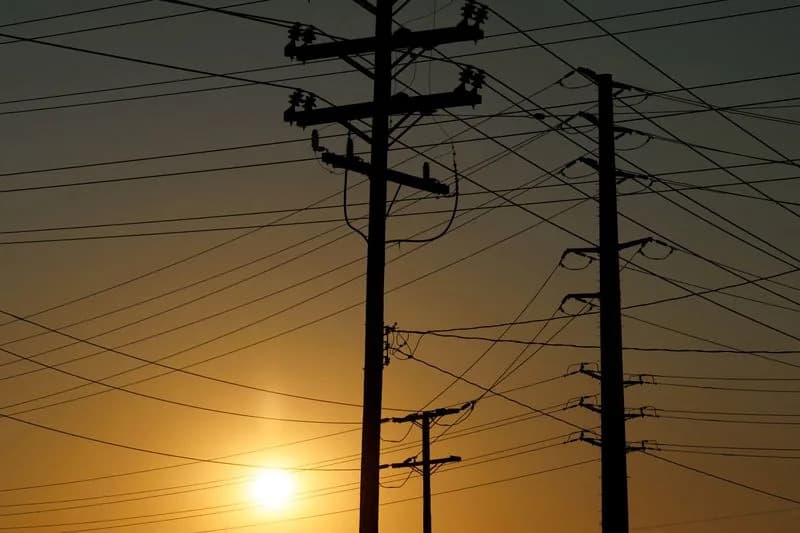
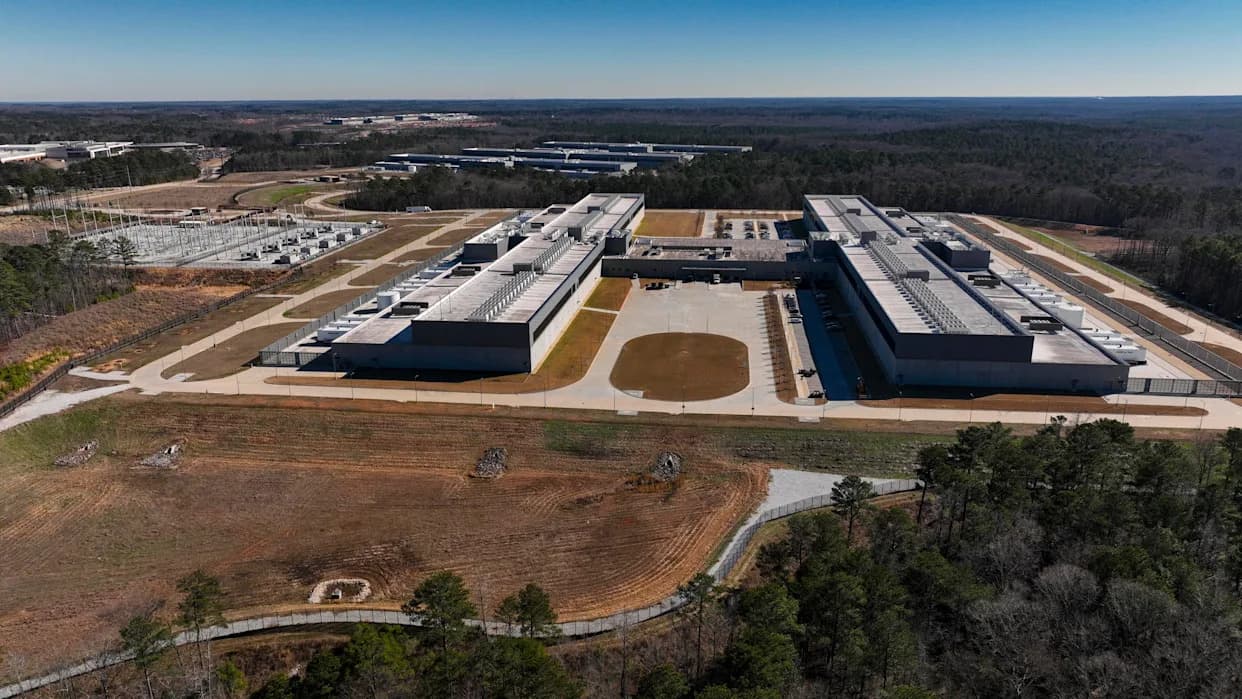
State lawmakers are increasingly targeting data centers with separate, higher electricity rates and stricter financial requirements as household energy bills rise. Oregon has already enacted a law creating a distinct tariff class; other states — including Delaware, Florida, Oklahoma, Georgia and Maryland — are considering similar steps or temporary moratoriums. Industry groups warn many factors drive price increases, while regulators and grid operators push for better forecasting, preapproval studies and collateral to keep infrastructure costs from falling on ordinary ratepayers.
States Push Higher Rates, Stricter Rules for Data Centers as Household Electric Bills Climb
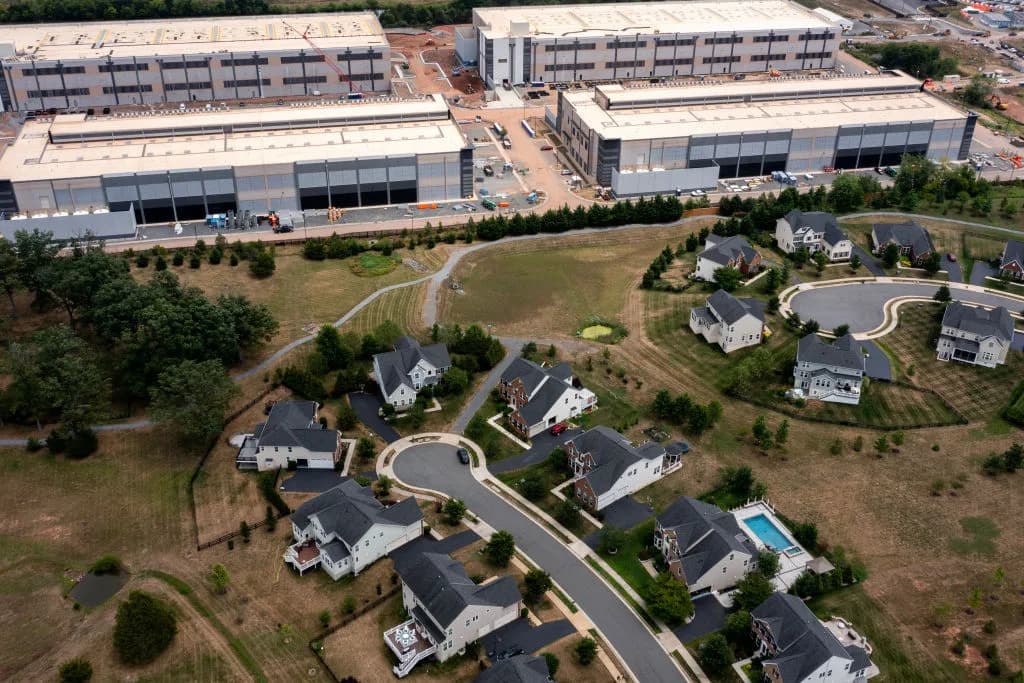
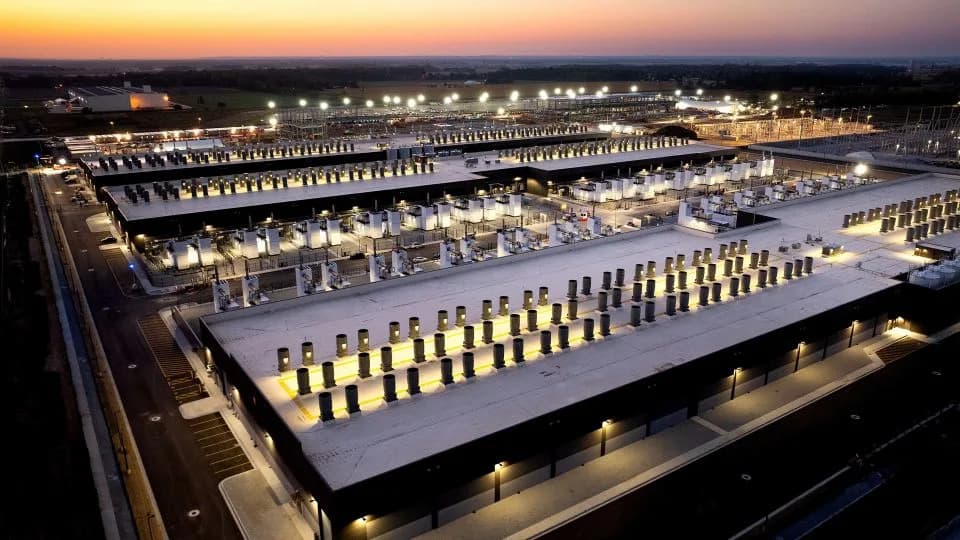
An Amazon Web Services data center is shown situated near single-family homes in Stone Ridge, Va., in 2024. As Americans grow increasingly frustrated over their electricity bills, states are trying to keep the nation’s growing number of data centers from causing higher energy costs for consumers.
An Amazon Web Services data center sits near single-family homes in Stone Ridge, Virginia, illustrating how the rapid expansion of server campuses is overlapping with residential communities and straining local power systems.
Why States Are Acting
Rising household electricity bills have pushed state officials to examine whether the nation’s growing fleet of data centers is contributing to higher costs for residents and small businesses. For years, states competed to attract sprawling data center campuses — facilities that house the servers powering cloud services, apps and artificial intelligence systems. Now policymakers are weighing new tariffs, long-term contracts and financial guarantees to prevent utilities from shifting large infrastructure costs to ordinary ratepayers.
Recent Policy Moves
Oregon was among the first states to enact a law requiring utilities to set separate electric rates for data centers, arguing these large users can drive up generation and transmission expenses. Lawmakers in at least a dozen states — including Delaware, Florida, Oklahoma, Georgia and Maryland — are considering similar measures: higher or distinct rate classes for data centers, moratoriums to study impacts, preapproval analyses and collateral requirements to secure infrastructure investments.
"We are now making data centers pay a higher rate commensurate with the amount of energy they’re sucking out of the system," said Oregon state Rep. Tom Andersen.
Industry Response
Data center operators and trade groups caution that electricity price increases have many causes. Lucas Fykes, senior director of energy policy at the Data Center Coalition, said it is "inaccurate to draw a clear line" between data center load and rising prices, pointing to extreme weather, an aging grid and other market factors. The industry opposes special rate treatment that singles out data centers from other large industrial customers, even as it works with regulators to limit risks when proposed projects do not materialize.
Local Tensions and Political Stakes
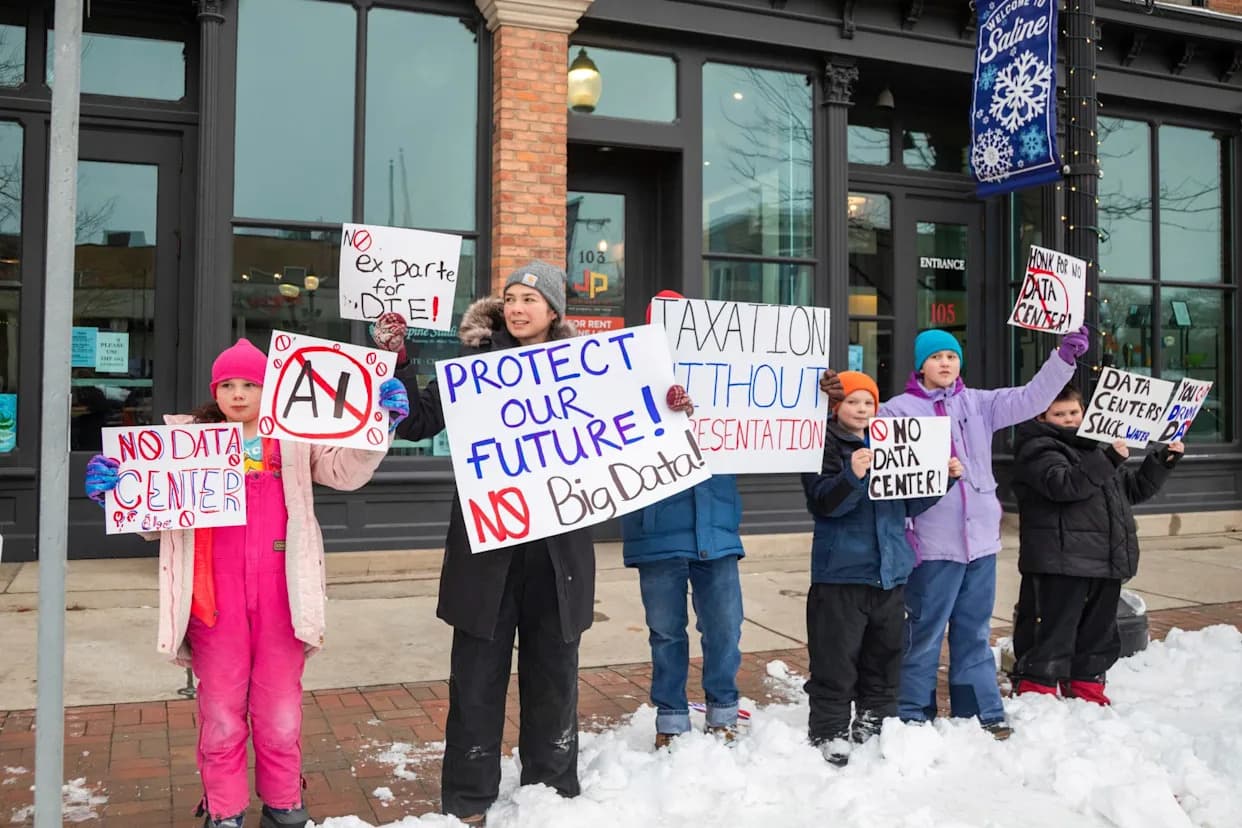
Local leaders face competing priorities: attracting investment, jobs and tax revenue versus protecting residents from higher utility bills and preserving community character. Some elected officials have proposed moratoriums or bills to ensure data centers pay for associated transmission, generation and distribution upgrades so everyday customers do not shoulder the burden. Lawmakers also fear that without statutory protections, regulatory rules can be weakened or rolled back over time.
Grid Planning And Regional Action
Regulators and regional grid operators have come under pressure to improve demand forecasting and to require stronger assurances from large prospective users. PJM Interconnection, which serves 13 states and the District of Columbia, recently announced a data center plan intended to improve forecasting, accelerate new generation and give states a larger role in planning. Meanwhile, consultants such as McKinsey estimate global investment in data centers could approach $7 trillion by 2030, driven in part by AI and cloud infrastructure growth.
Possible Consumer Protections
Proposed protections include: separate tariffs for large loads, preapproval studies of projected demand, long-term contracts, collateral or guarantees for infrastructure costs, and policies encouraging demand curtailment during peak times. Advocates also point to faster deployment of solar, storage and energy-efficiency programs as low-cost ways to reduce peak demand and blunt the need for expensive new generation.
What’s next: State legislatures and utility regulators will continue debating the balance between attracting technology investment and protecting ratepayers. Decisions made now will shape who — utilities, commercial customers or households — ultimately bears the cost of the data center buildout.
Stateline reporters Robbie Sequeira and Kevin Hardy contributed to this story.
Help us improve.