Five Monterey Park residents and allied groups mobilized quickly to block a proposed datacenter the size of four football fields, collecting nearly 5,000 signatures and prompting a 45-day moratorium and consideration of a permanent ban. The campaign used multilingual outreach and broad coalitions to engage a diverse community. Similar local fights around the U.S. delayed or canceled about $98 billion in datacenter projects between late March and June 2025 and have united unlikely political allies.
How Five Monterey Park Residents Stopped a Massive Datacenter — And Sparked a National Rebellion
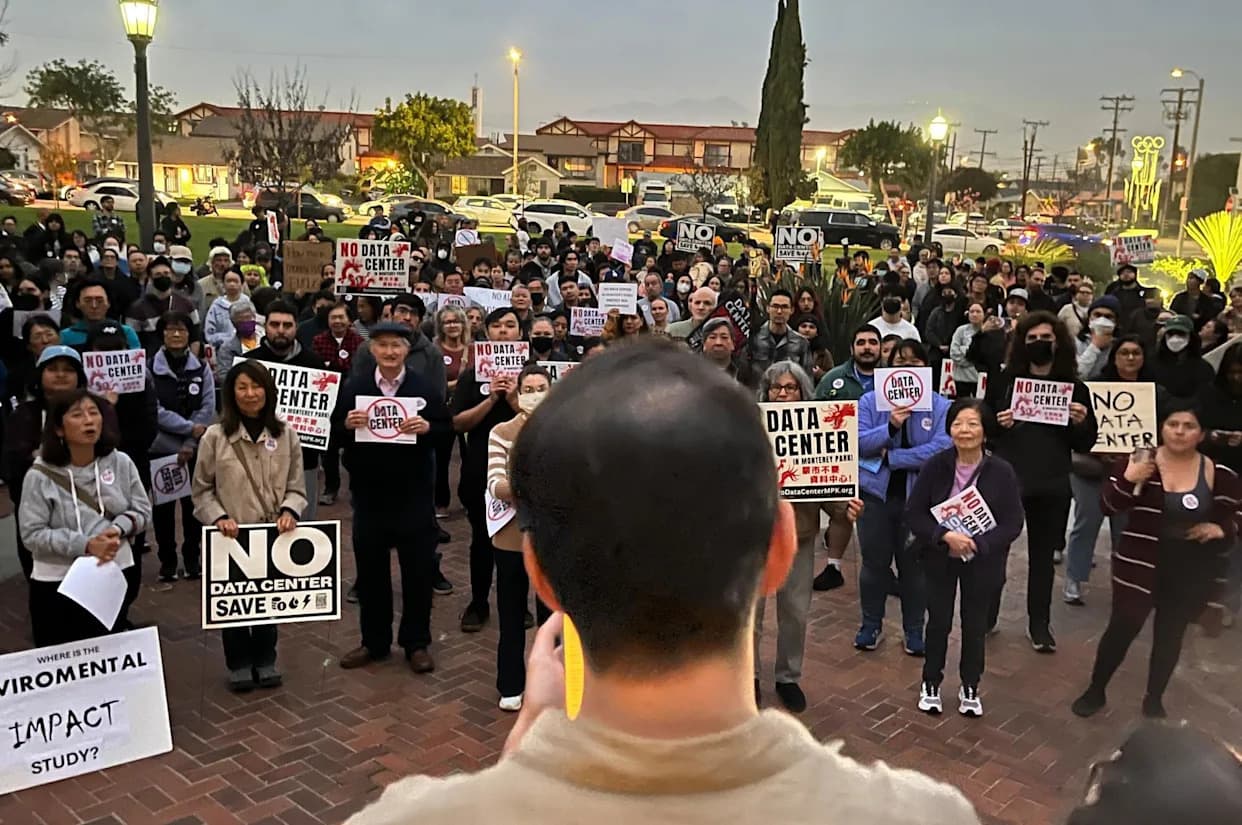
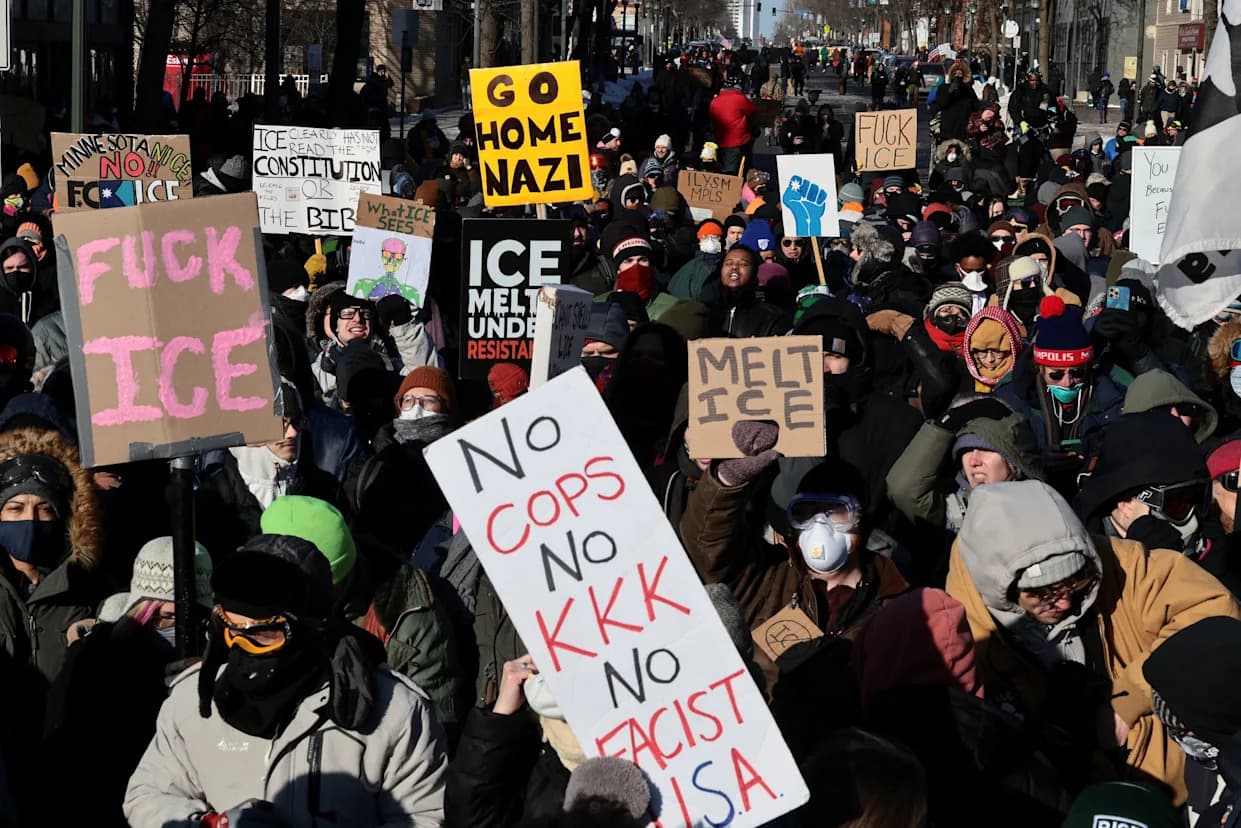
Monterey Park residents gathered at city hall on 21 January to speak out against the construction of a datacenter.Photograph: Steven Kung(Photograph: Steven Kung)
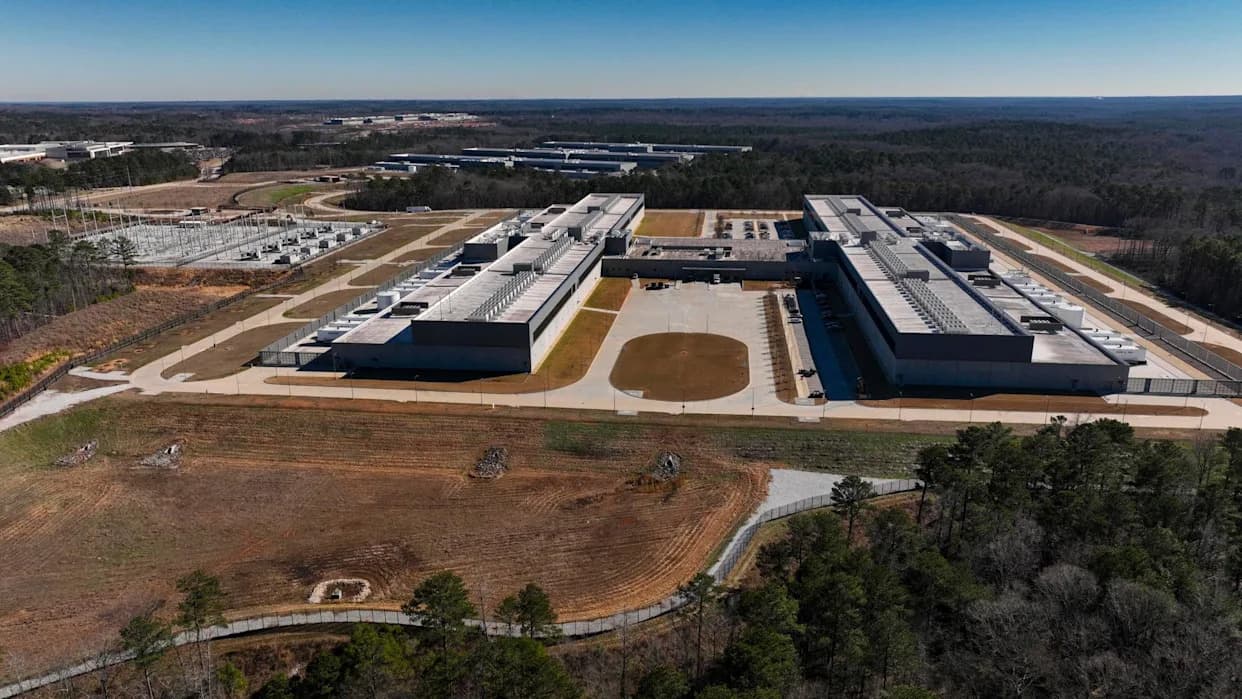
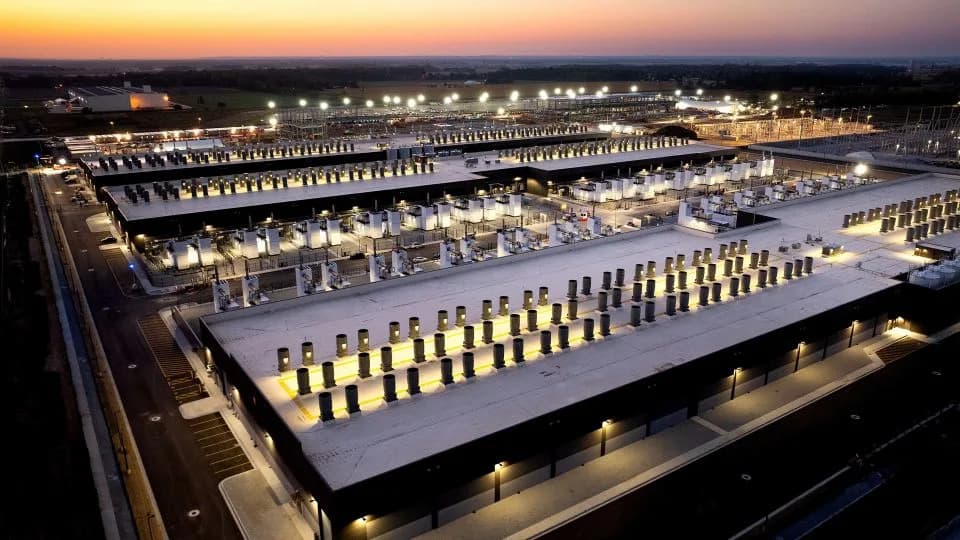
Last December, a southern California city council proposed building a datacenter roughly the size of four football fields in Monterey Park. Five residents immediately mobilized and, in six weeks, helped force a 45-day moratorium and a pledge to study a possible permanent ban.
Grassroots Organizing, Rapid Results
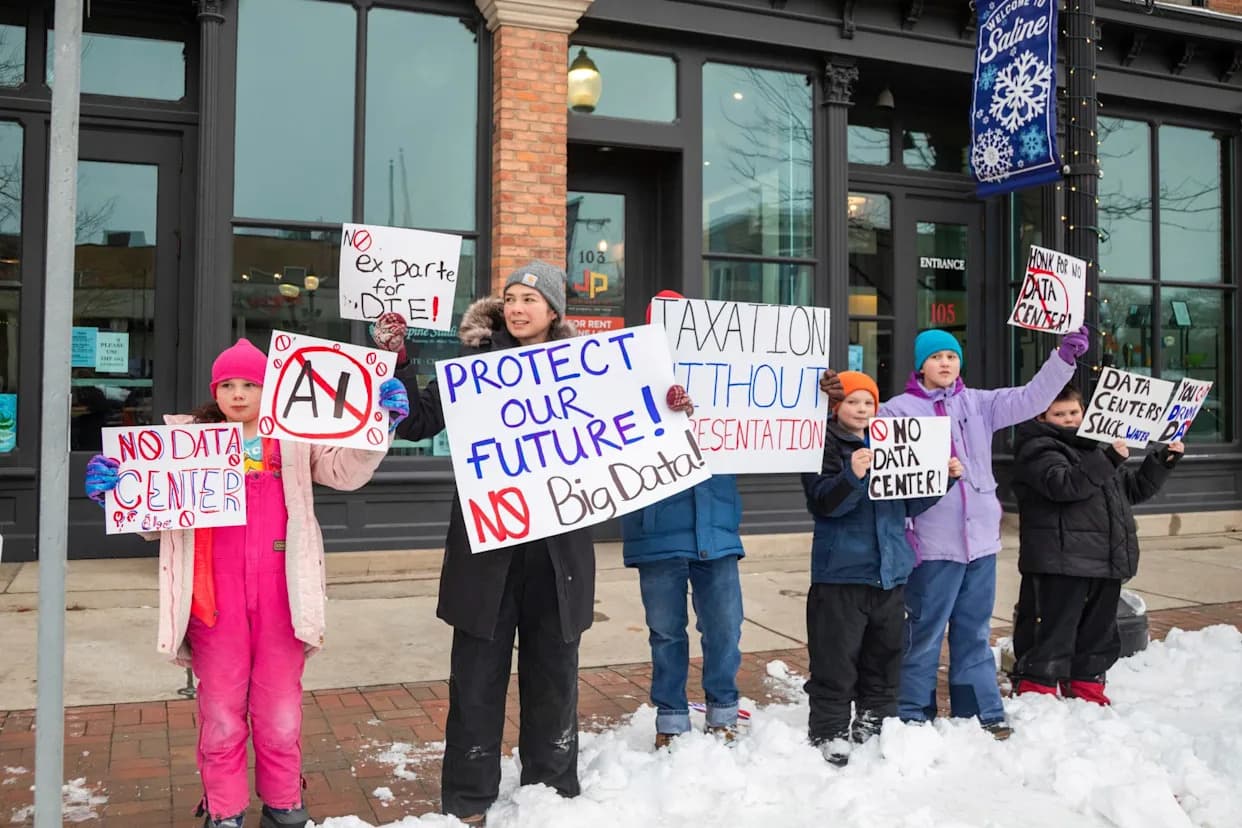
No Data Center Monterey Park organizers, working with the grassroots racial-justice group San Gabriel Valley (SGV) Progressive Action, used rapid, word-of-mouth organizing to raise public awareness. They held a teach-in and a rally that drew hundreds, knocked on doors, and distributed flyers along busy streets. Outreach materials were produced in English, Chinese and Spanish to reach Monterey Park’s population — about two-thirds Asian and roughly one-quarter Hispanic — and a petition quickly gathered nearly 5,000 signatures.
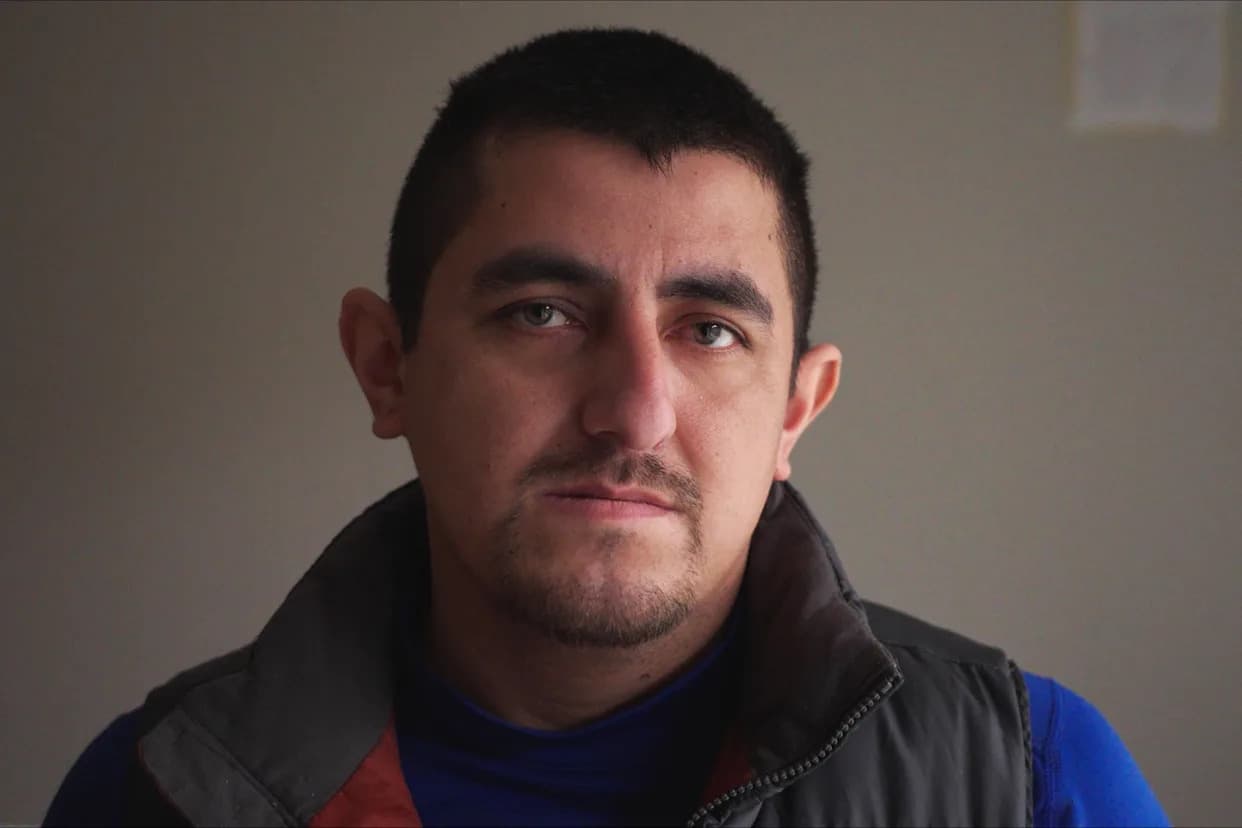
“It’s like the third act of an Oscar-winning movie,” said Steven Kung, a co‑founder of No Data Center Monterey Park.
Why Residents Objected
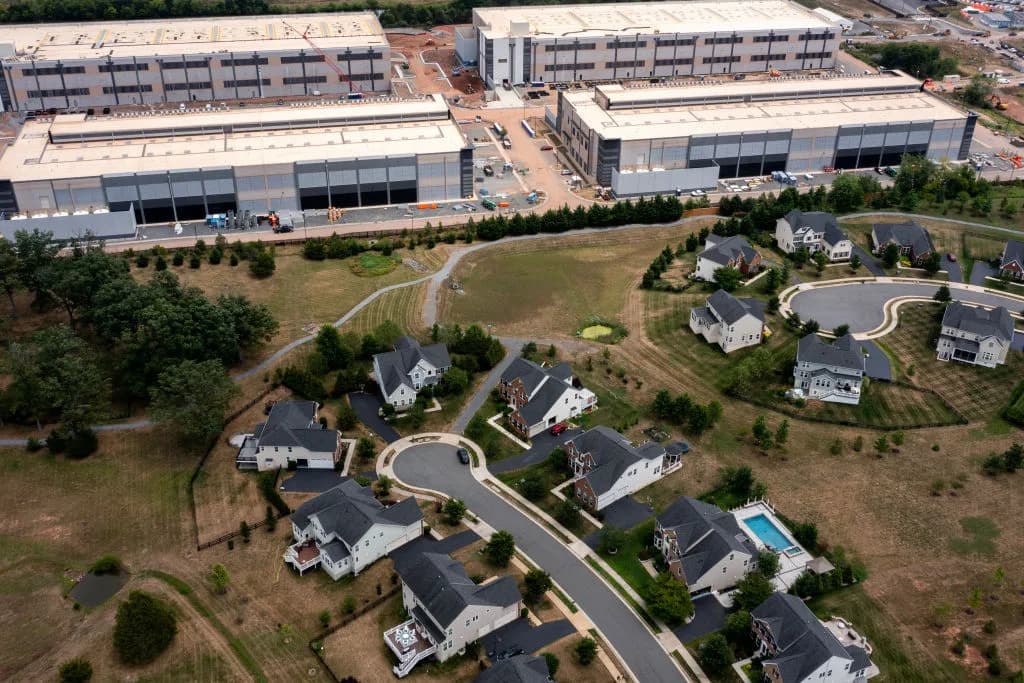
Organizers emphasized several community concerns: the facility’s heavy electricity demand could strain the grid and drive up energy costs; the site would produce constant noise; and plans included 14 on-site diesel generators, which researchers say emit nitrogen oxides and other ambient air pollutants linked to respiratory illnesses such as asthma and lung cancer. Opponents also cited broader worries about land use, water consumption and corporate influence over local planning decisions.
A Movement Spreads
Monterey Park’s victory echoes a wave of local pushback against datacenters across the U.S. Research from Data Center Watch — a project run by AI-security firm 10a Labs — found that community action delayed or canceled roughly $98 billion in datacenter projects from late March 2025 through June 2025. The group recorded more than 50 active local organizations across 17 states targeting about 30 projects during that period, with approximately two-thirds of those projects halted.
Those local campaigns have produced unlikely coalitions: environmentalists teamed up with rural conservatives in some areas, and grassroots activists from varied political backgrounds have joined forces to block developments.
Examples From Other States
Indiana, which already hosts more than 70 datacenters, is contesting roughly 50 additional proposed projects and successfully halted at least a dozen in the past year, according to Citizens Action Coalition. Organizers there say opposition built on earlier fights over utility-scale solar on farmland and tapped broader concerns about land privatization and mistrust of big tech.
Virginia — often described as the datacenter capital of the world with more than 600 facilities — and other states have also seen political responses. Some elected officials and candidates are proposing rules and fee structures to ensure large energy consumers pay a fair share rather than shifting costs to households, and both progressive and conservative lawmakers have floated restrictions or moratoriums on datacenter construction.
What’s Next For Monterey Park
Monterey Park organizers say the fight is not over. City council members have discussed placing the issue on the November ballot, which would require a prolonged awareness campaign. In the meantime, activists continue canvassing, gathering signatures and speaking at council meetings to keep momentum and broaden community engagement.
“We won a victory, but there’s still a lot of work to do,” said Steven Kung.
Help us improve.