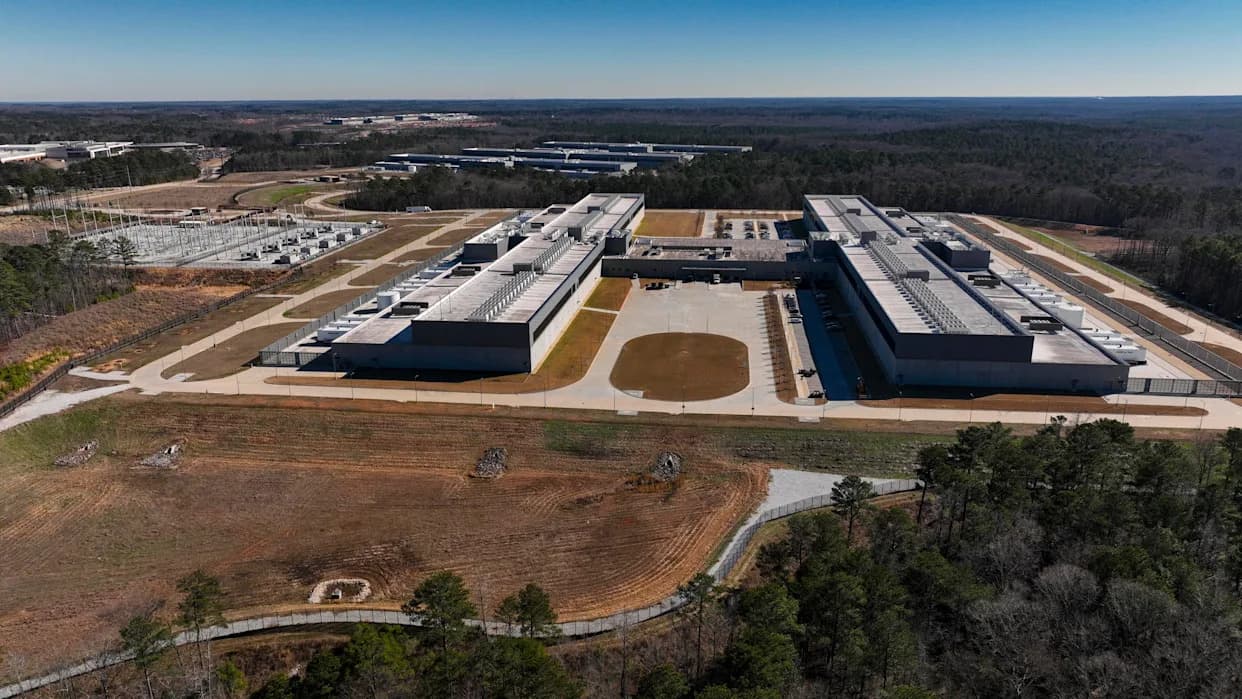
Monitoring Analytics filed a complaint with FERC on November 25 asking that PJM be required to ensure large data centers can be reliably served before permitting interconnection. The monitor warns that allowing more large data-center loads could force blackouts for the centers or for other customers and has already pushed up transmission and capacity costs, contributing about $16.6 billion to recent capacity auction revenues. PJM says it is reviewing the filing and the Board of Managers is expected to respond in the coming weeks as policymakers and industry plan major investments in AI-related power capacity.
Watchdog Urges FERC to Block New Data Centers Unless PJM Can Serve Everyone
An independent market monitor has asked federal regulators to require PJM — the largest U.S. grid operator by area and population served — to ensure new, large data center loads can be served reliably before allowing them to connect to the transmission system.
On November 25, Monitoring Analytics, LLC filed a formal complaint with the Federal Energy Regulatory Commission (FERC) asking the regulator to mandate that PJM permit interconnection requests from large data centers only if the system can reliably serve all customers. The monitor argues that the current approach could force blackouts either at the new data centers or among other customers in the region.
"PJM is currently proposing to allow the interconnection of large new data center loads that it cannot serve reliably and that will require load curtailments (blackouts) of the data centers or of other customers at times. That result is not consistent with the basic responsibility of PJM to maintain a reliable grid and is therefore not just and reasonable."
PJM coordinates electricity flows across roughly 369,000 square miles and serves more than 65 million people in parts of 13 states and the District of Columbia. While it does not deliver electricity directly to homes, PJM manages bulk power transmission and the region's capacity market, where generators are paid to ensure adequate supply during peak periods.
Key concerns raised by the complaint
Monitoring Analytics says rapid growth in large data-center demand is already pushing transmission and capacity costs higher. The monitor estimates that existing and anticipated data center loads contributed about $16.6 billion to PJM's capacity revenues across its last two auctions — a figure it expects to rise as more projects seek interconnection.
The complaint also recounts a recent PJM Board of Managers "Critical Issues" discussion on large loads, where members failed to reach agreement. According to Monitoring Analytics, many stakeholders appear to assume PJM must approve requests to add large loads rather than requiring proof that the system can reliably serve them.
Monitoring Analytics says the FERC action is intended to clarify PJM's authority so the board can make enforceable decisions that prioritize reliability: specifically, to require demonstration that new large loads can be served before permitting interconnection.
Impacts and next steps
A PJM spokesperson said the organization is reviewing the complaint and that the Board of Managers is expected to address the large-load questions and indicate next steps in the coming weeks.
Data centers have been linked to rising utility costs in several states — notably in Virginia's so-called "data center alley" — and the North American Electric Reliability Corporation (NERC) identified data centers as a key contributor to increased winter energy demand and heightened blackout risk in a November report.
The debate over grid capacity comes as federal and private actors discuss large investments in artificial intelligence infrastructure. A proposed federal plan has cited a potential multibillion-dollar investment to support AI capacity, and industry leaders have suggested the country may need to add roughly 100 gigawatts of new power capacity per year to meet anticipated AI-related demand.
How FERC responds could set an important precedent for how U.S. regional grid operators balance rapid industrial load growth with system reliability and customer costs. For now, stakeholders await a regulatory determination that could force PJM to tighten its interconnection policy or clarify the limits of its authority.
Help us improve.