At the end of November Minneapolis experienced its coldest spell in months, briefly recording daytime temperatures slightly lower than those measured by NASA's Curiosity rover on Mars. Minneapolis hit 27°F and stayed in the mid- to upper-20s, while Martian afternoons reached around 30°F but dropped to roughly −100°F overnight. The extreme Martian night cooling is caused by its thin atmosphere and lack of water vapor. Forecasters say the polar vortex may bring more Arctic air into the Midwest through mid-December.
Minneapolis Was Briefly Colder Than Mars — Why the Comparison Matters (and Why It Doesn’t)

The end of November brought the coldest stretch in months to the north-central United States, and for a short while Minneapolis recorded daytime temperatures that were colder than those measured on Mars. While the surface numbers were similar in the afternoon, the planets could not be more different once the sun set.
Daytime tie — nighttime split
On Thanksgiving Day the Twin Cities reached just 27°F and then lingered in the mid- to upper-20s for several days — roughly 10°F below the long-term average and the coldest spell the city has seen since February. Meanwhile, about 225 million miles away, NASA's Curiosity rover logged Martian daytime highs around 30°F, slightly warmer than Minneapolis during that same interval.
Why Mars gets so cold at night
The similarity ends after sunset. Late-November nights in Minneapolis dipped into the teens and low 20s, while Martian nights plunged far deeper: Curiosity recorded overnight lows near −100°F. Those dramatic swings on Mars are driven by a very thin atmosphere and a near absence of water vapor, conditions that allow heat to escape quickly once sunlight fades.
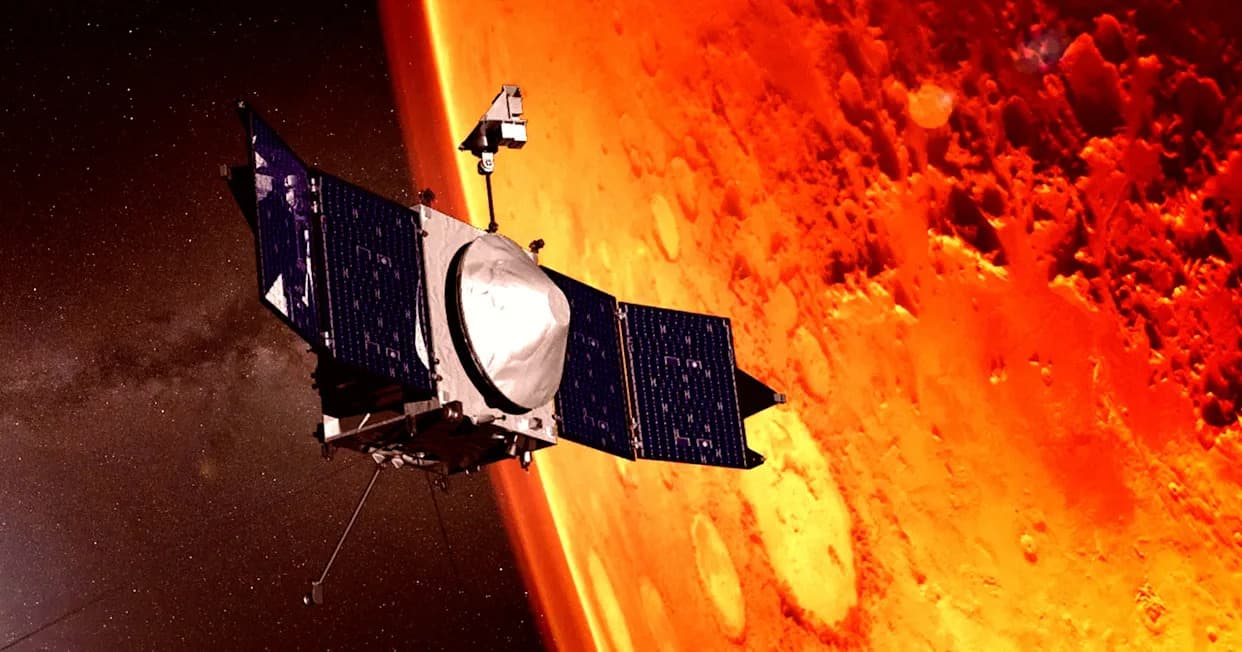
Curiosity has been monitoring Martian weather since landing in 2012, using onboard instruments to measure temperature, wind and pressure. Its continuous data have helped scientists map everyday weather patterns on the Red Planet — including gusty winds and numerous dust devils observed sweeping across the surface.
What this means for Minneapolis
Back on Earth, forecasters expect even colder air to arrive as the polar vortex funnels additional waves of Arctic air into the Midwest through mid-December. Residents should prepare for colder-than-normal temperatures and potential impacts to travel and outdoor activity.
Help us improve.