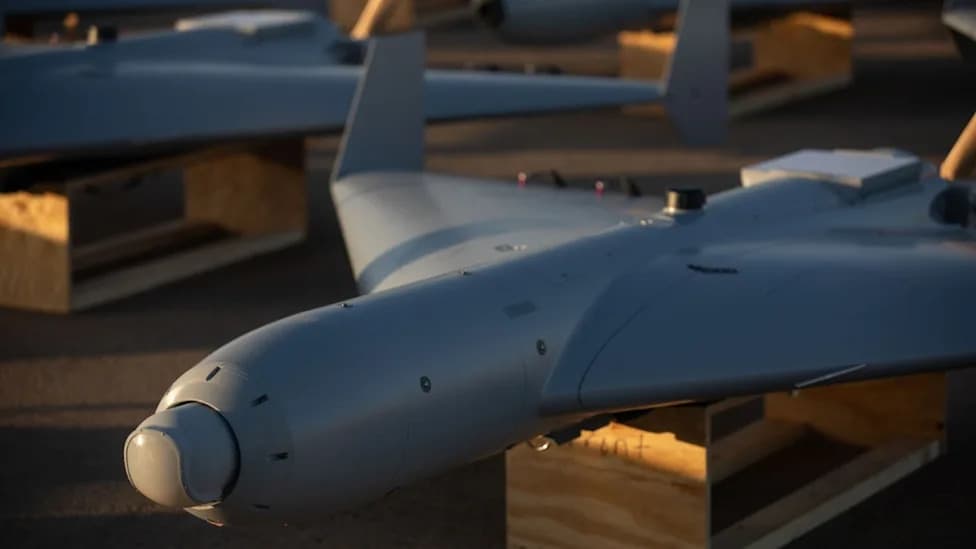
The US has stood up Task Force Scorpion Strike and deployed a squadron of LUCAS low-cost, one-way attack drones to the Middle East. LUCAS — unveiled at the Pentagon earlier this year — resembles Iranian Shahed-style loitering munitions and can be launched from catapults, rocket-assisted systems, or vehicles. CENTCOM says the drones are long-range and have autonomous features; Pentagon planning aims to scale cheap-drone production as part of a broader push to expand unmanned strike and surveillance capabilities.
US Deploys LUCAS Low-Cost One‑Way Attack Drone Squadron to the Middle East
The US military has established a dedicated one-way attack drone force in the Middle East and has already fielded a squadron of low-cost loitering munitions designated the Low-cost Uncrewed Combat Attack System (LUCAS).
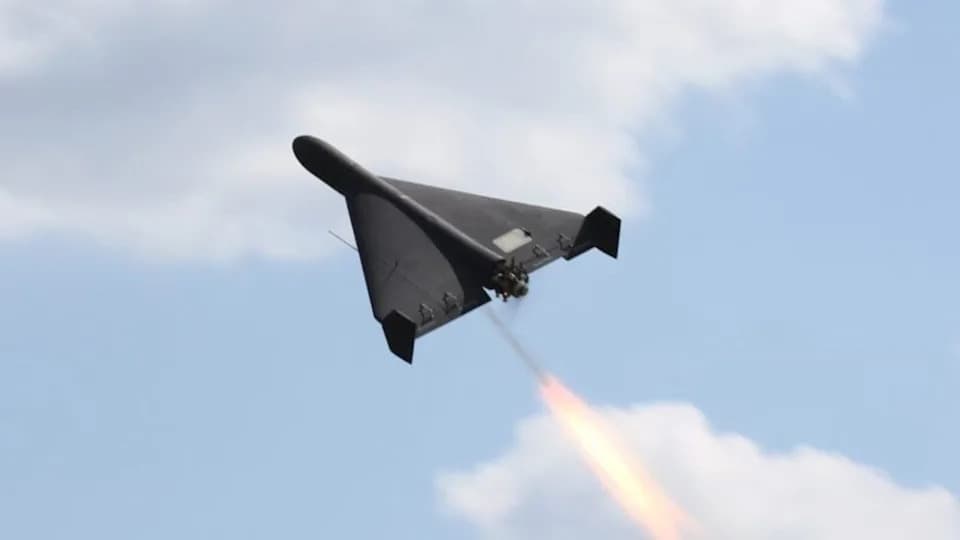
Task Force Scorpion Strike announced the formation of the LUCAS squadron, saying the systems are operational and in the hands of personnel in the region. CENTCOM described the LUCAS airframes as long-range, featuring autonomous capabilities and multiple launch options — including catapult, rocket-assisted takeoff, and vehicle-mounted systems.
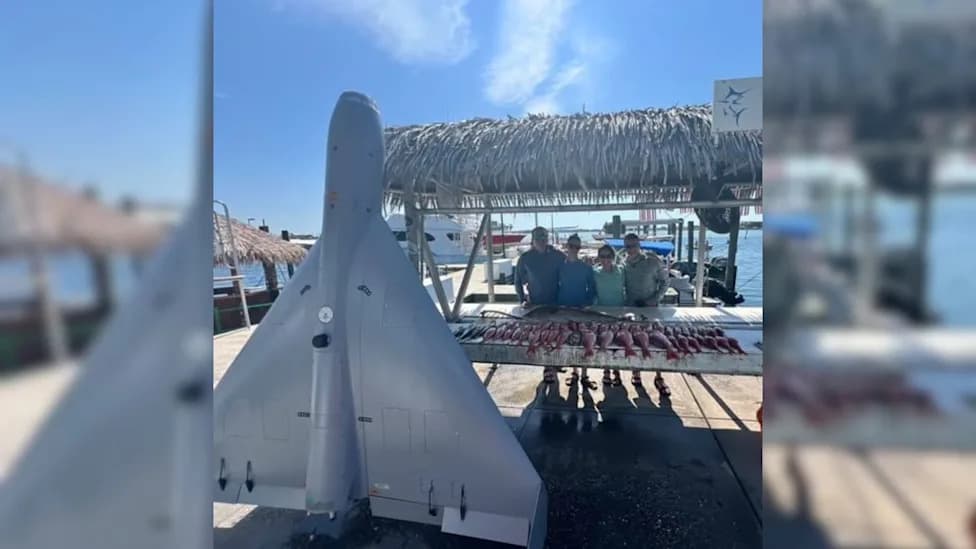
The LUCAS designs, displayed at the Pentagon earlier this year, bear a strong resemblance to Iranian Shahed-style loitering munitions. Such one-way attack drones have been used extensively in recent conflicts: Iran-produced Shahed variants have been deployed by Russia in massed strikes against Ukrainian cities and infrastructure, often launched in large waves alongside missiles to overwhelm air defenses.
Operational and strategic context
Officials argue that rapidly fielding inexpensive, expendable drones provides a cost-effective complement to traditional munitions, extends surveillance and strike reach, and acts as a force multiplier. A Pentagon plan announced recently envisions roughly $1 billion in spending over two years to scale up production and field large numbers of low-cost attack drones.
"Equipping our skilled warfighters faster with cutting-edge drone capabilities showcases US military innovation and strength, which deters bad actors," said Adm. Brad Cooper, commander of US Central Command.
Video released with the announcement showed numerous LUCAS airframes parked on a tarmac at an undisclosed regional location. A Pentagon fact sheet accompanying the earlier Pentagon display noted that LUCAS-type systems could serve as threat emulators for training and offer lower operational and maintenance costs compared with traditional munitions or aircraft.
Former President Donald Trump has previously highlighted the relatively low cost of some Iranian-made drones — roughly $35,000 to $40,000 per unit — noting their speed and lethality in the Ukraine conflict. The growing use of inexpensive loitering munitions has prompted US military leaders to accelerate development and acquisition efforts to ensure readiness and maintain deterrence.
While LUCAS expands the US toolkit in contested regions, the deployment also raises questions about proliferation, rules of engagement, and the broader ethics and legal frameworks that govern autonomous and one-way weapon systems. Analysts say continued investment will likely emphasize affordability, mass production, and integration with existing command-and-control and air-defense systems.
Help us improve.