Overview: A proposed $45 fee for travelers who fly without a REAL ID would create checkpoint delays, add collection costs, and erode the security purpose of the credential. While the fee could raise significant gross revenue initially, behavioral responses (passengers opting to obtain REAL IDs) and the expense of fee collection would reduce net gains. The author recommends airlines enforce REAL ID at check-in with a zero-tolerance policy to achieve broader compliance and stronger long-term security.
Why a $45 REAL ID Fee Would Hurt Travelers and Security—And What to Do Instead

The proposal to charge commercial air travelers $45 if they do not present a REAL ID may look like an easy revenue source, but in practice it would create operational headaches, slow checkpoints, and weaken the security incentives the REAL ID system was designed to provide.
What the REAL ID requirement means
The REAL ID Act of 2005 requires people who wish to enter certain federal facilities or board a commercial flight to present a state-issued REAL ID. Obtaining a REAL ID generally requires proof of identity, a Social Security number, and proof of residency. Because undocumented immigrants commonly cannot supply those documents, they are typically ineligible for a REAL ID under current rules.
Scale of potential impact
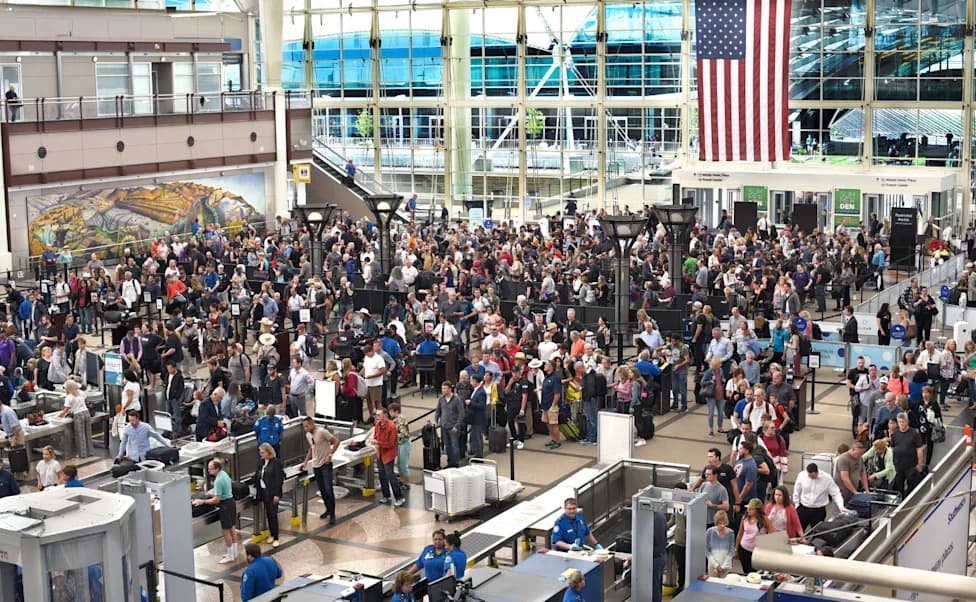
After the May enforcement deadline, roughly 81% of travelers carried a REAL ID. The Transportation Security Administration screens more than 2.5 million passengers on an average day, which implies about 150,000 passengers per day could be noncompliant and, under the proposal, subject to enhanced screening and the $45 fee.
Revenue vs. cost—and the behavioral response
At $45 per noncompliant passenger, the daily gross would be roughly $6.7 million. Because many passengers would likely only pay once per outbound trip and not on return trips, actual takings would fall. Annualized revenue might be estimated at more than $1.2 billion—about 10% of the TSA’s current budget—but that number ignores collection costs and behavior changes. As travelers face repeated fees, many would choose to obtain a REAL ID during routine license renewal, reducing future revenue.
Operational and security concerns
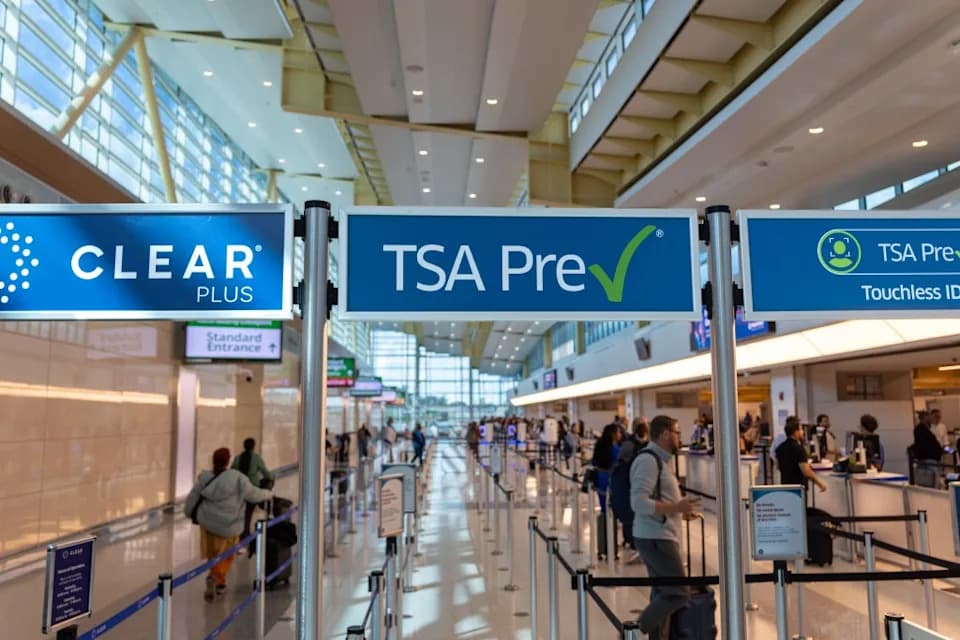
Collecting a fee at TSA checkpoints would add a new duty to officers and slow passenger flow, even if separate lanes were created. The TSA oversees security at roughly 400 federalized airports; standardizing and staffing transactional fee collection across that footprint would require equipment, training, and personnel, all of which would eat into net revenue and complicate checkpoint operations.
A better alternative: enforce compliance at check-in
A more practical and security-forward solution is to shift enforcement to airlines, where identity is first verified. Airlines can verify REAL ID status during electronic or in-person check-in and issue boarding passes only to travelers who present acceptable identification. Passengers who falsely claim compliance and later present at security without a REAL ID should be denied boarding rather than allowed to pay for expedited access. That preserves REAL ID as a meaningful credential and places enforcement at the point of first identity proofing.
Conclusion
Using a fee as a workaround for the REAL ID requirement undermines the credential’s security value, risks slowing airports, and likely produces less net revenue than it appears once collection costs and passenger responses are accounted for. Mandating compliance through airline check-in and a zero-tolerance policy for noncompliance is a tougher short-term stance but will better achieve universal adoption and stronger long-term security.
Author: Sheldon H. Jacobson, Ph.D., professor of computer science in the Grainger College of Engineering at the University of Illinois Urbana-Champaign. As a data scientist, he applies risk-based analytics to airport security and public policy.
Help us improve.